




Effective Cost per Delivered Message
What is the Effective Cost per Delivered Message?
The effective cost per delivered message is the price you actually pay for each message that arrives, calculated as tariff per send divided by the first-attempt delivery rate (plus the cost of retries).
Effective cost per delivered message is the price of a message that actually reaches the user, as opposed to the tariff you are billed for every send. The basic form is simple: tariff divided by first-attempt delivery rate. A $0.05 tariff on a route that delivers 92% of the time has an effective cost of about $0.054 per delivered message, because the sends that failed were still billed. The all-in figure is higher once retries are counted: total spend, including repeat sends, divided by the number of codes that actually worked.
For OTP and payment flows this is the number that matters, because an undelivered one-time password is not five lost cents — it is an authentication that failed and, often, a transaction that never completed. Comparing vendors on tariff alone hides this: a slightly higher tariff with stronger first-attempt delivery routinely produces a lower effective cost per delivered message, and a lower cost per delivered OTP, than the cheapest quote on the table.
Related terms
Related BSG products
Further reading


Зацікавлені у спеціальній пропозиції?
Готові розширювати можливості?
Давайте обговоримо.


Корисні Матеріали
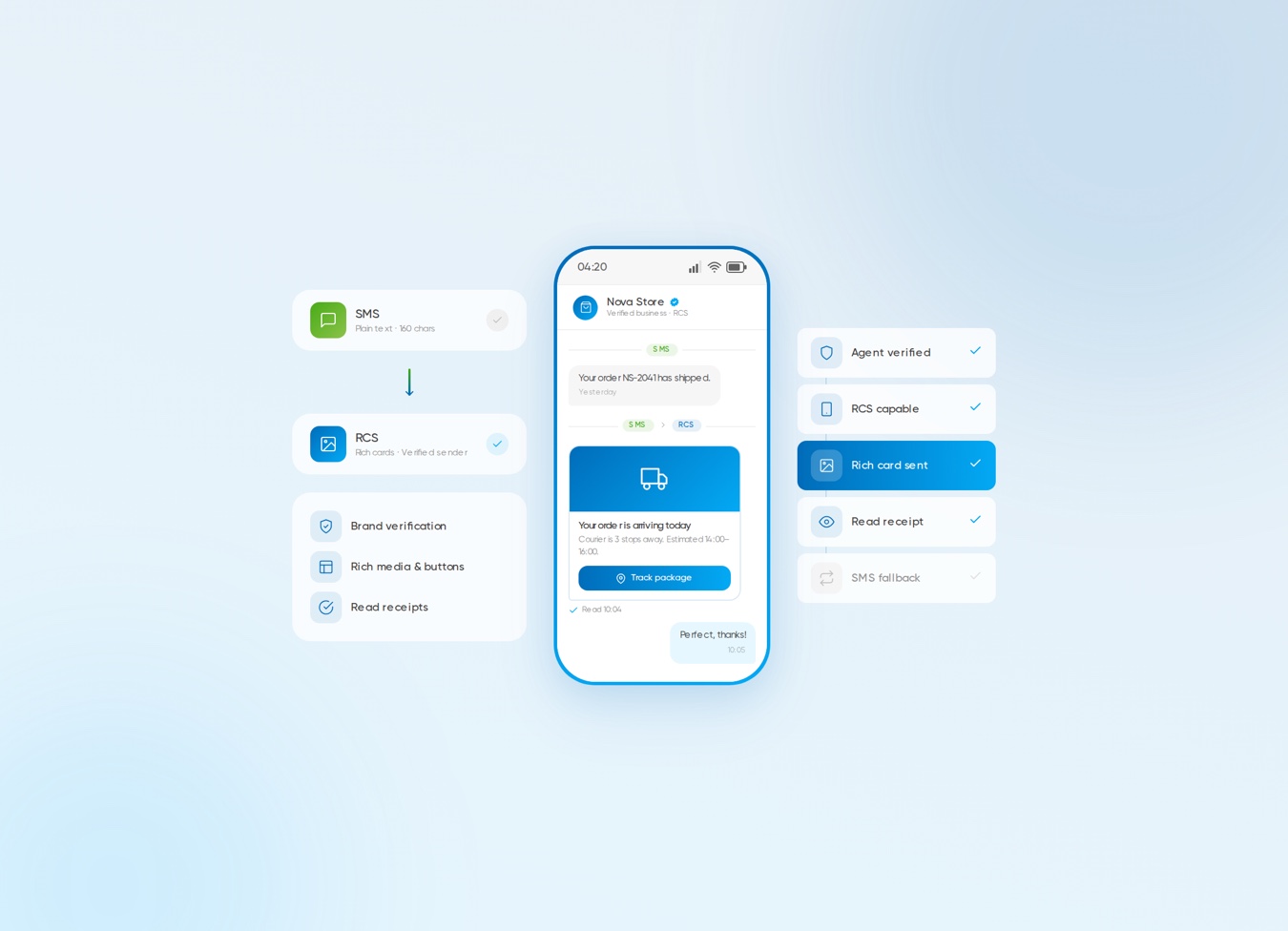
Apple RCS is live on iPhone. Which EU and UK carriers support it and how to plan campaigns with SMS fallback.
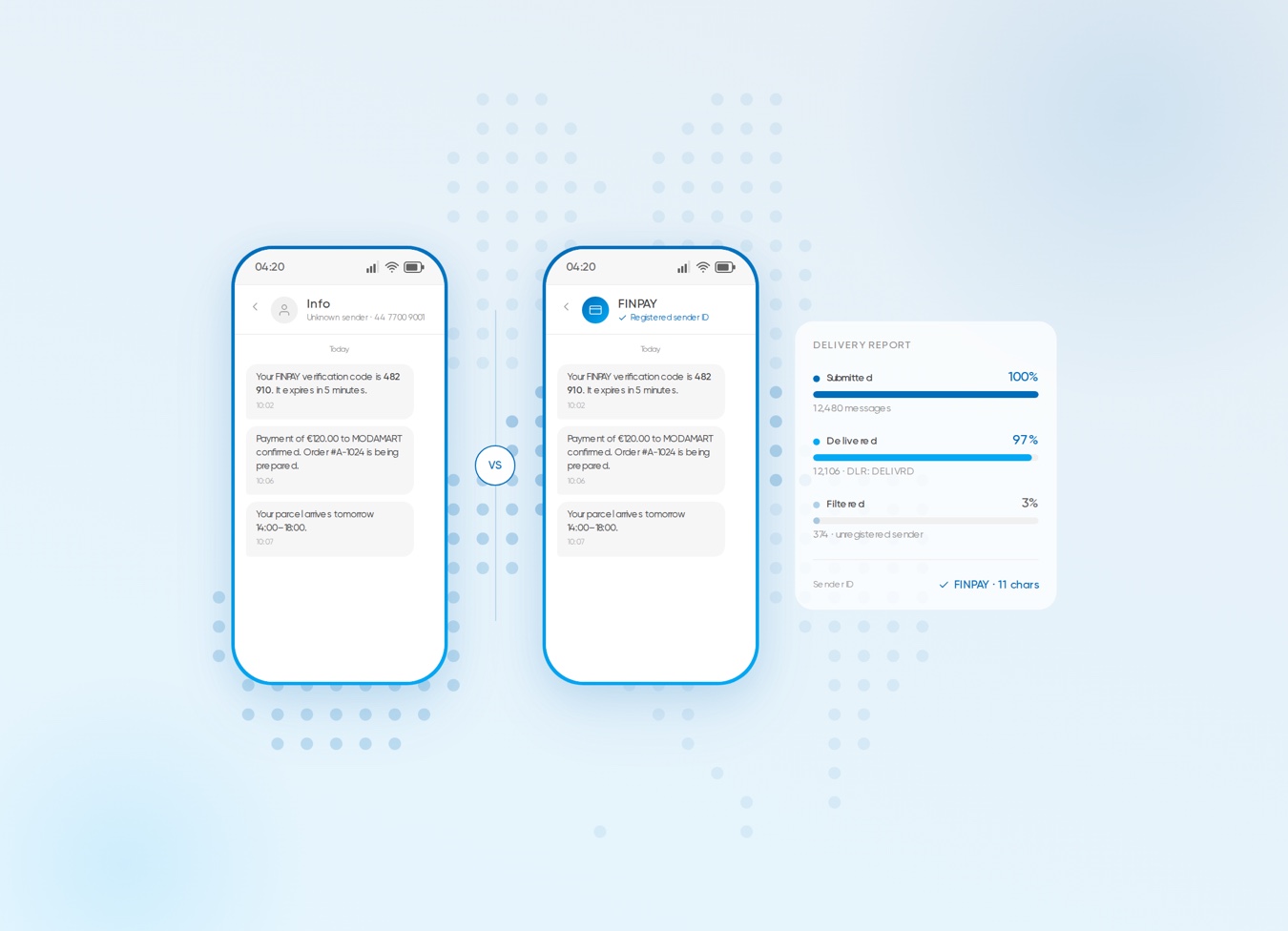
Why unregistered senders get filtered in the EU and UK, and what each country requires for sender ID registration.
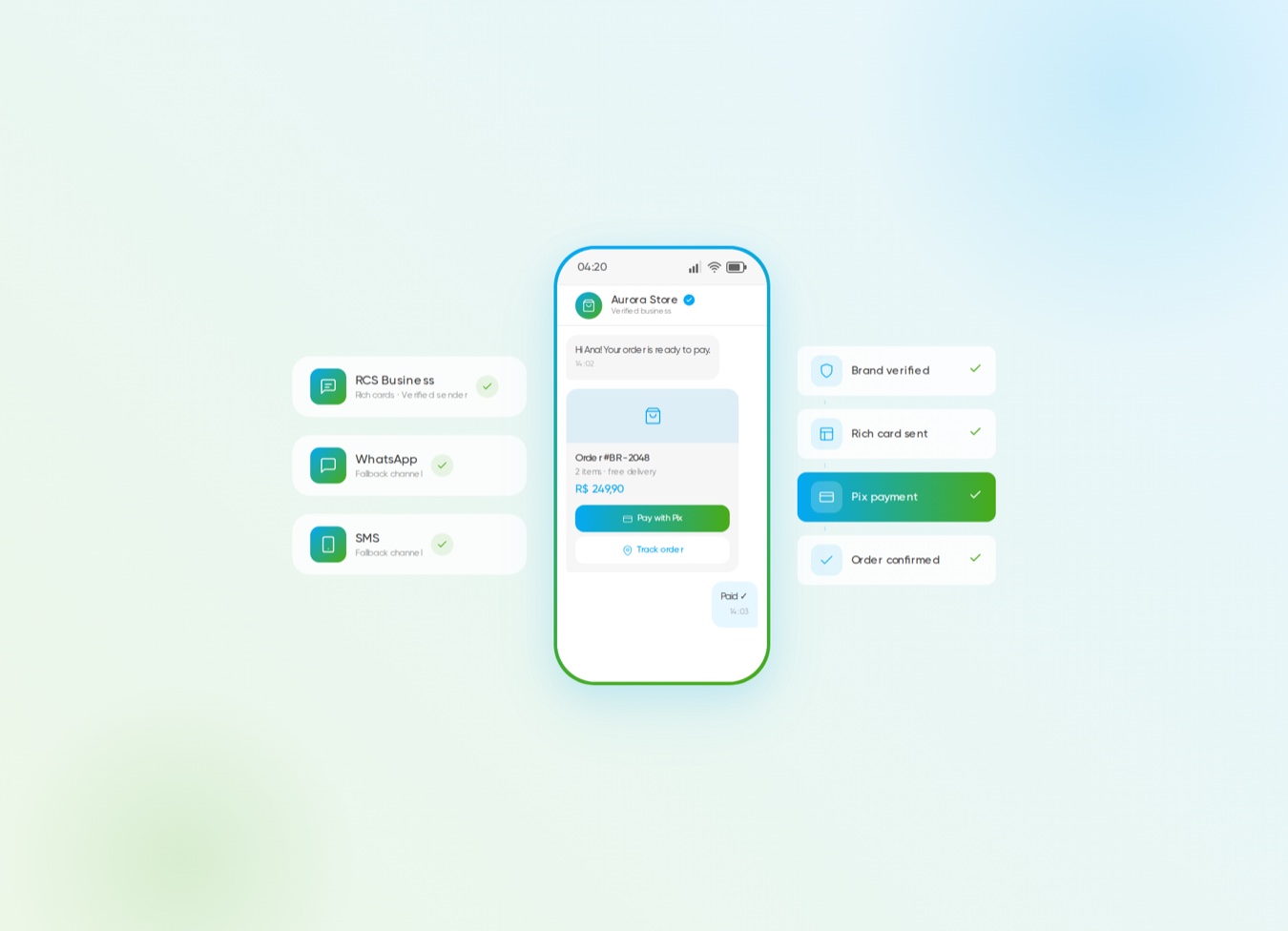
Vivo, Claro and TIM coverage, iPhone status, where RCS beats SMS in Brazil and how to launch with SMS fallback.