




SMS Firewall
What is an SMS Firewall?
An SMS firewall is a filtering system deployed by a mobile operator between its interconnects and its subscribers that inspects A2P messages and decides whether to deliver, rewrite, delay or block them.
An SMS firewall sits at the edge of a mobile network and inspects every application-to-person message before it reaches a subscriber. It scores traffic on several signals: the route it arrived on, the sender ID, message content and URLs, sending volume and velocity, and whether the sender is on the operator's registered or protected list. Depending on the score and the operator's policy, the firewall delivers the message unchanged, rewrites the sender to a generic or numeric one, holds it in a low-priority queue, or drops it — sometimes while still returning a "submitted" status to the sending platform.
For businesses, the firewall is the reason a technically accepted message can fail to arrive. Operators tune firewalls aggressively because of smishing and brand impersonation, so an unknown alphanumeric sender is treated with suspicion by default. Registering the sender, using direct routes and keeping content consistent with the declared use case are the practical ways to pass through it.
Example: a retailer's promo with a generic sender "Info" is accepted by the SMSC in the UK but stopped by the operator firewall, which blocks generic sender names; the same message with a whitelisted brand sender is delivered.
Related terms
Related BSG products
Further reading


Зацікавлені у спеціальній пропозиції?
Готові розширювати можливості?
Давайте обговоримо.


Корисні Матеріали
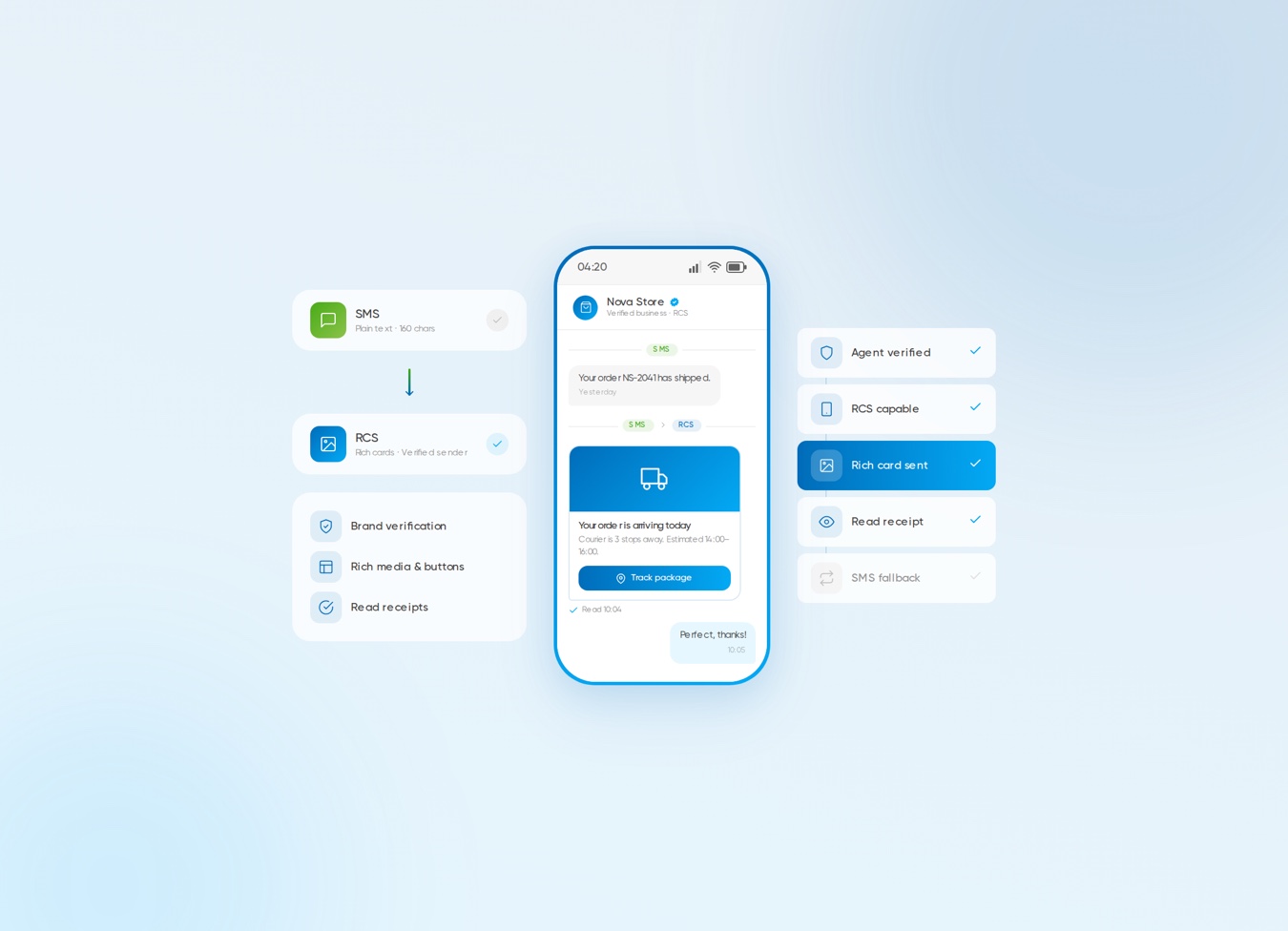
Apple RCS is live on iPhone. Which EU and UK carriers support it and how to plan campaigns with SMS fallback.
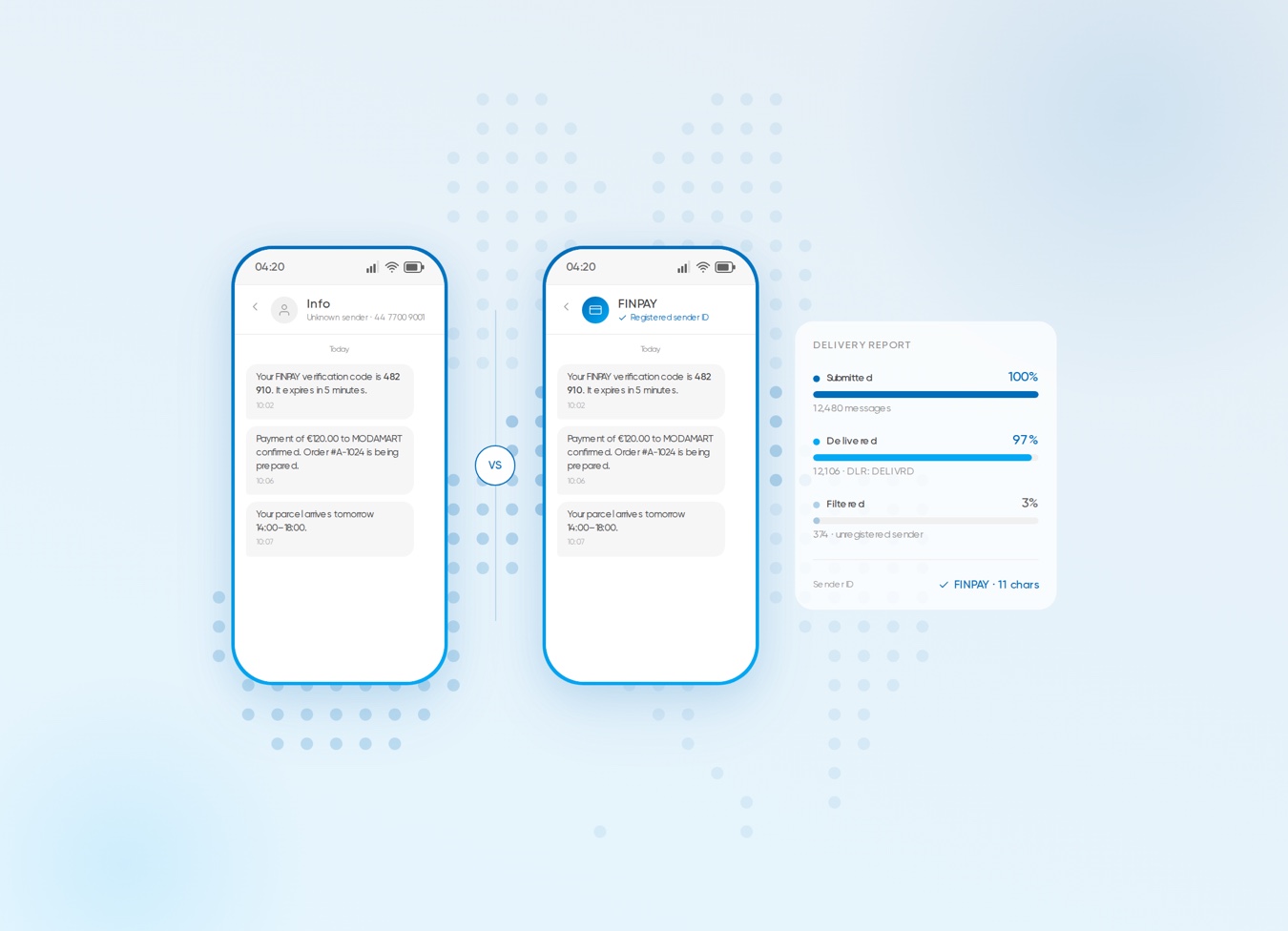
Why unregistered senders get filtered in the EU and UK, and what each country requires for sender ID registration.
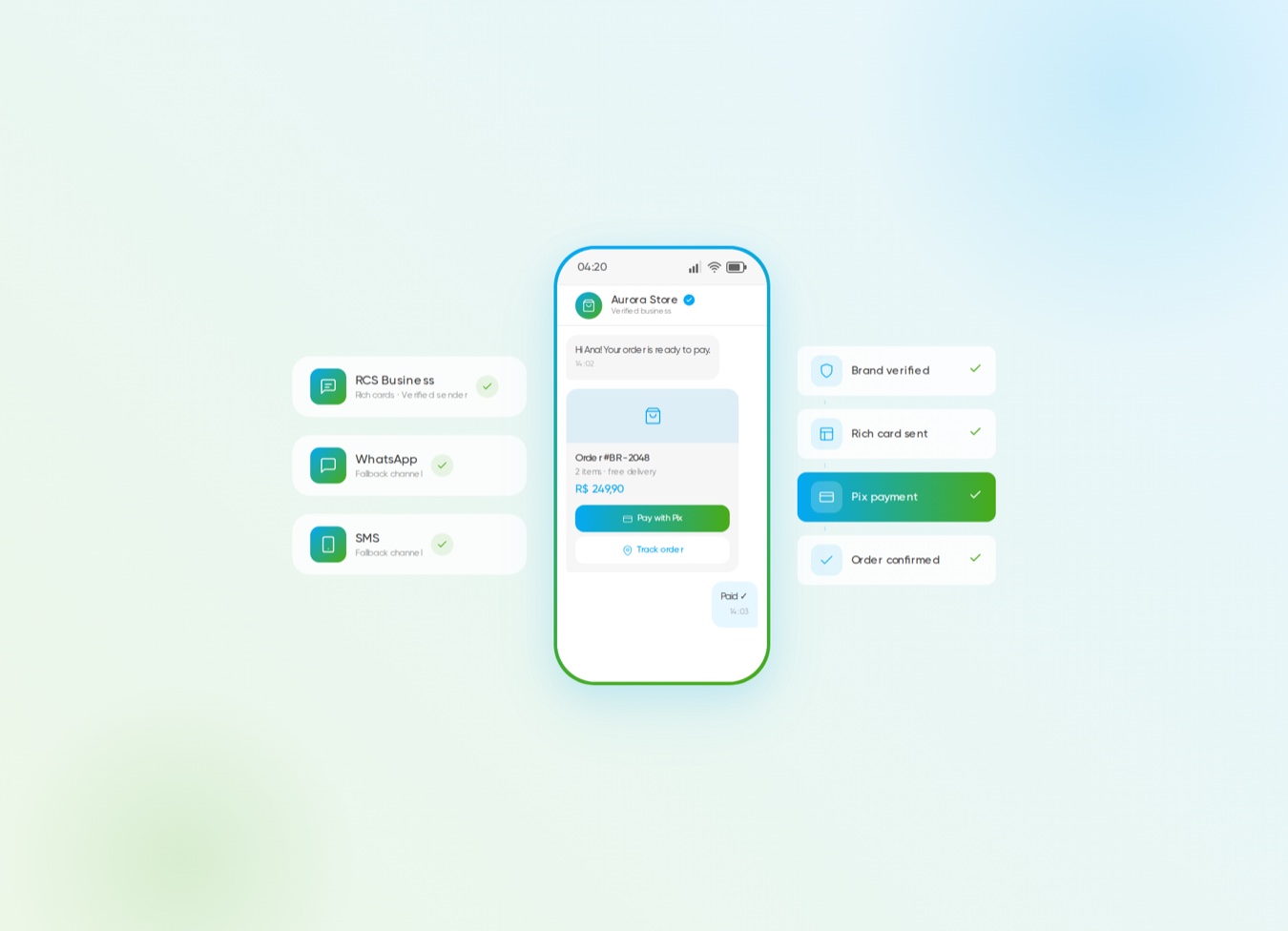
Vivo, Claro and TIM coverage, iPhone status, where RCS beats SMS in Brazil and how to launch with SMS fallback.