




Two-Factor Authentication and the Internet of Things: Challenges and Opportunities

In the world of millions of intricately intertwined Internet of Things (IoT) devices, technological development is more streamlined than ever before in human history. Both regular users and the largest corporations are taking advantage of these technologies to achieve their desired results quickly and efficiently.
However, as humanity progress, the issue of security is becoming increasingly significant. How can a two-factor authentication service ensure the security of IoT devices? What will the future of 2FA integration into IoT look like? Explore the power of Internet of Things Authentication in thwarting unauthorized hacker activities.
Understanding Two-Factor Authentication
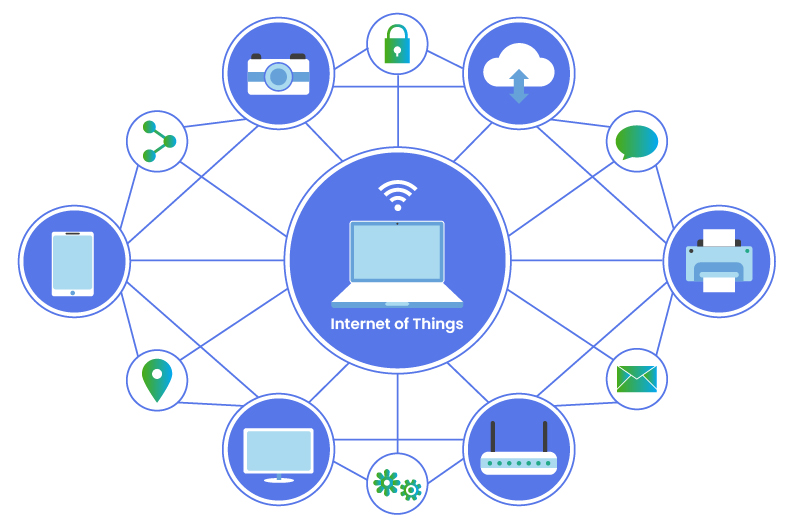
Two-factor authentication or 2FA is a critical tool for bolstering personal data protection in our increasingly digital and interconnected world. 2FA adds an additional security layer to the user verification process. Instead of only entering a password, as in single-factor authentication, users must provide two distinct authentication factors. This system ensures that even if one factor is compromised, unauthorized users still face an additional hurdle to access information.
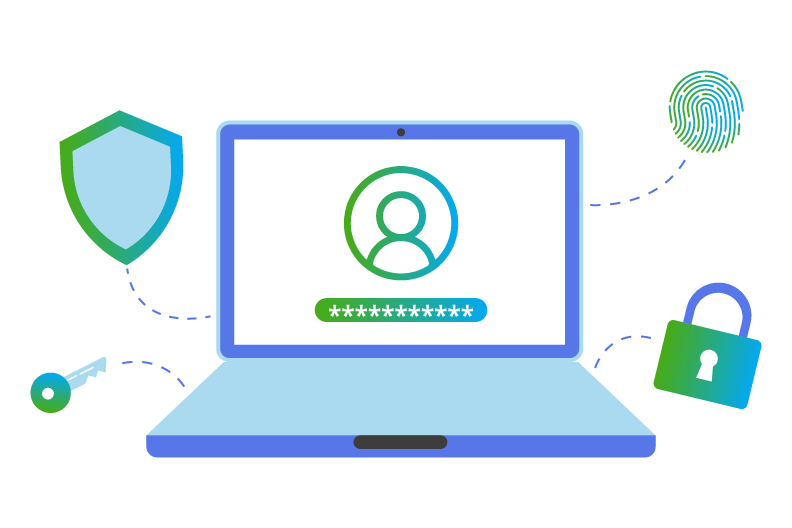
When it comes to the factors that can be utilized for 2FA, there are so many different types of 2FA methods for the business to use:
- Password or PIN
- A smart card or security token
- Biometric data such as fingerprints, face ID or iris patterns
- Geolocations
Some of the most common 2FA methods include sending SMS codes to a user’s phone, sending email verification links, or using authentication apps like Google Authenticator, which generate time-limited codes.
By enhancing the complexity of the user verification process, 2FA significantly enhances the security of digital systems, making it much more challenging for unauthorized individuals to gain illicit access to sensitive data.
If you’re curious to additionally explore 2FA methods available for business to use , check on other BSG post.
The Internet of Things (IoT) Landscape
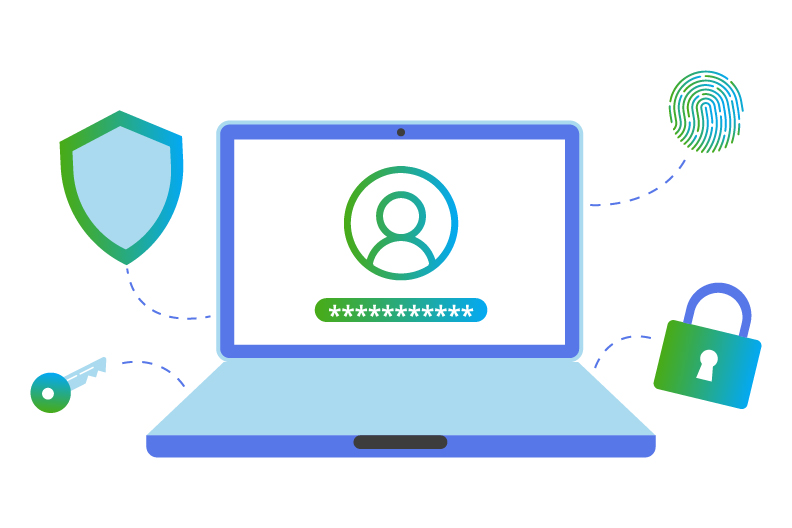
The Internet of Things (IoT) represents a dynamic ecosystem of physically interconnected devices, all Internet-connected and capable of collecting and sharing data. This infrastructure allows these devices to transcend their fundamental functionality and become “intelligent,” thus unlocking a vast array of capabilities. In fact, The study by Statista predicts the significant growth of more than a 50 billion IoT devices connected by 2030.
While IoT has been implemented in almost every existing industry, the industries most revolutionized by this technology include:
- Agriculture
- Healthcare
- Home and vehicle
- Fleet management
- Oil and gas industry
- Retail
- Restaurants and hospitality
- Manufacturing
- Construction
Industries have recognized IoT’s potential to boost efficiency, productivity, and the user experience, leading to widespread adoption. Taking a closer look, in the healthcare industry, wearable fitness trackers and remote monitoring tools have improved patient care, while in manufacturing, IoT devices drive Industry 4.0, enhancing predictive maintenance and speeding up operational tasks.
- The transportation industry and logistics are leveraging IoT and authentica authentication in iot
tion to enable smart vehicles and intelligent transportation systems, optimizing fuel usage, and enabling real-time tracking. Another area benefiting from authentication in IoT is consumer households, where smart homes are equipped with IoT devices like thermostats and security systems. These devices offer users wireless control and customization of their personal space and home supplies.
Security Challenges in the IoT World
There is no secret: any advancements come with challenges, for IoT technology, data security and privacy have become such issues. The fundamental challenge is the inherent vulnerability of IoT devices. Many of these devices are created with high-level functionality in mind rather than strong security. The low computational power of these devices often makes it challenging to implement robust security protocols. In addition, the diversity of IoT devices and the absence of standardized security protocols create an environment ripe for exploitation.
The most critical point in this story is the lack of data protection of IoT devices that often collect sensitive information. The key security challenges in the IoT world include:
- Inherent device vulnerability. Many IoT devices are not designed with security as a priority, resulting in devices that are easy to be hacked and information to be stolen.
- Lack of standardized security protocols . The wide range of IoT devices leads to a lack of consistency in security measures, increasing the likelihood of successful attacks.
- Poor update mechanisms . Many IoT devices lack a clear, secure process for updates and patches, leaving them vulnerable to known security risks.
- Inadequate data protection . IoT devices often collect sensitive data without providing adequate encryption or other protections, leading to potential data breaches.
The importance of IoT device authentication security is hard to underestimate, given that the consequences of a data leak can be devastating. A few real-world examples illustrate this point well: In 2019, several cases were reported where Ring Doorbell security cameras were hacked. Attackers were able to watch and even communicate with people in their homes. This highlighted how personal data can be directly accessed through IoT devices.
Moreover, in 2017, the FDA confirmed that St. Jude Medical’s cardiac devices had security vulnerabilities that could potentially allow cybercriminals to drain the battery or administer incorrect pacing or shocks. While this situation didn’t involve actual data theft, it indicates the potential for remote unauthorized access to device functionality.
These are just two examples, but incidents of information fraud are quite common, demonstrating how personal data can be directly accessed through IoT devices. The consequences of such incidents can be devastating for the affected companies.
Cyber attacks on Internet of Things (IoT) devices globally surged to over 112 million in 2022 , marking a substantial rise from approximately 32 million identified instances back in 2018. The tendency is rising every year, creating the demand for better IoT protection mechanisms development.
The Role of Two-Factor Authentication in IoT Security
As IoT devices constantly collect and transmit data, they have become top-rated targets for cyber-attacks worldwide. Therefore, IoT device authentication has become an industry focal point of the last decade and range of IoT authentication methods are being used to ensure the right devices are accessing the network.
Methods such as two-factor authentication have become vital in securing these devices and the data they hold in every industry. Here are a few examples:
- Automotive industry. After using a key to unlock and start a vehicle, drivers might be asked to input a password on the car’s console in order to get access to the car’s main connected systems.
- Security industry (smart locks). August and Schlage key companies that incorporated 2FA into their smart lock systems. Besides using a digital key on your smartphone, a secondary authentication process through fingerprint or a unique one-time code is necessary to unlock the door.
Such a comprehensive system provides the highest level of security, higher than any previous system known before, which highlights the importance of robust device authentication in IoT.
Do you need help with integrating the 2FA solution into your business? Contact BSG World today and enjoy the reliable and handy 2FA solution!
Integration of Two-Factor Authentication in IoT Devices
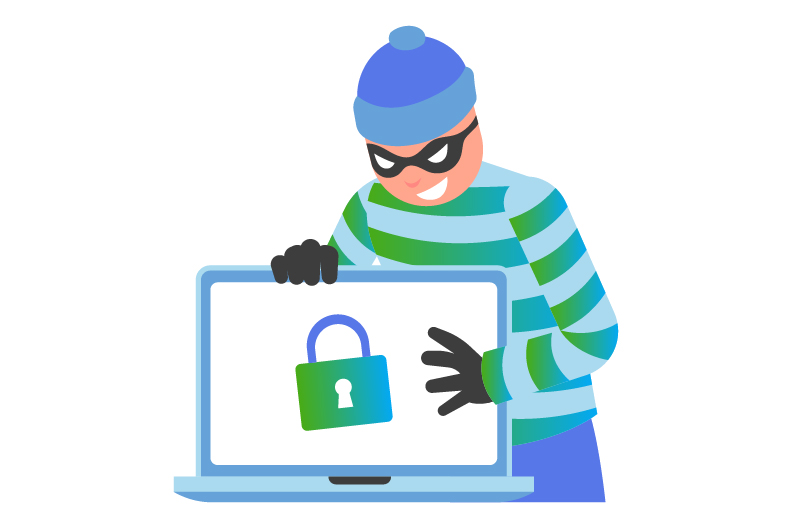
For two-factor authentication to be effective in the Internet of Things (IoT) landscape, it needs to be incredibly simple, handy, and also straightforward. The level of user tolerance for inconvenience is largely determined by the importance of the data that needs to being protected from internet criminals. Implementing two-factor authentication (2FA) may seem complex, but the manifold reasons for its necessity in businesses outweigh any initial challenges.
Here’s how 2FA solution by BSG world would work into your platform’s infrastructure:
- The user enters the site and enters login and password
- The system sends the user a request to perform two-factor authentication using SMS or Viber
- The user receives a message with a code
- The system checks the entered code and grants access to the user
2FA, as critical in the IOT authentication layer of security, is important for protecting sensitive data from unauthorized access. As such, technical obstacles should not deter businesses from integrating it into their platforms.
BSG World, recognizing why 2FA is important for business and the security protocol, thus it offers an efficient and user-friendly 2FA solution with features such as:
- Easy integration via API
- Code delivery through Viber and SMS
- Flexible setup of One-Time Password (OTP) code parameters
- Capability to resend the code
- Statistics of completed authentications
These features simplify the implementation process while providing a versatile security solution tailored to individual business needs. Most importantly, this approach fortifies user data security, thereby enhancing customer trust and loyalty, which are essential for building lasting customer-brand relationships.
Do you wonder how to integrating 2FA functionality into your platform in a few simple steps? Choose BSG as your reliable 2FA service provide r to day and feel 100% secure!
Conclusion
In our increasingly interconnected world, with millions of Internet of Things (IoT) devices, security becomes a high concern. Two-factor authentication serves as a crucial protection tool, adding an additional layer of security that helps mitigate data breaches. It requires users to provide two distinct authentication factors, drastically reducing the risk of unauthorized access.


Interested in a special offer?
Ready to reach further?
Let’s talk


Related articles
Mapping the benchmarks is a proven way to be successful in any industry, and the

Mobile advertising, particularly SMS marketing, has been gaining traction, with companies spending an estimated $327
In today’s fast-paced cybersecurity landscape, large enterprises confront a constant barrage of threats to their