




How Two-Factor Authentication Helps Mitigate Cybersecurity Risks for Large Enterprises

In today’s fast-paced cybersecurity landscape, large enterprises confront a constant barrage of threats to their valuable data and critical systems. Traditional authentication methods are proving inadequate in the face of increasingly sophisticated cyberattacks.
According to Verizon’s report , 61% of data breaches involve stolen credentials, which 2FA significantly reduces.
In that regard, Two-Factor Authentication (2FA) is gaining momentum as a potent security measure for large organizations. This article examines the pivotal role of 2FA in mitigating cybersecurity risks for large enterprises, delving into its significance, benefits, and effectiveness in safeguarding against malicious actors.
What Is 2FA and How Does it Work?
Two-Factor Authentication (2FA) is a robust security mechanism used to enhance the protection of sensitive data and digital assets. It goes beyond traditional single-factor authentication (typically username and password) by requiring users to provide two distinct types of credentials to verify their identity before granting access.
By incorporating multiple layers of authentication, 2FA significantly reduces the risk of unauthorized access and cyber threats.
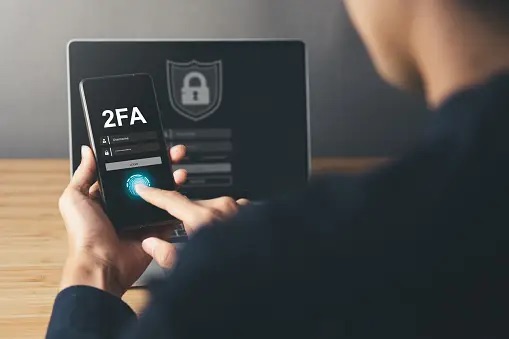
In the context of cybersecurity, authentication refers to the process of verifying the identity of a user or system trying to access specific resources. The primary goal is to ensure that only authorized individuals or entities can gain entry, protecting sensitive information from unauthorized access, data breaches, and cyberattacks.
Traditional authentication methods relying solely on usernames and passwords are becoming increasingly susceptible to security breaches due to factors like password reuse, phishing attacks, and password-cracking techniques.
To bolster the security of authentication processes, 2FA employs two different types of factors to verify a user’s identity:
- Knowledge Factors:
These are something the user knows and typically involve a password, a personal identification number (PIN), or answers to security questions. While knowledge factors remain vulnerable to certain attacks, such as social engineering, they still provide a basic level of protection.
- Possession Factors:
These are something the user possesses, like a physical token, a smart card, or a mobile device on which an SMS message service provider may send a message. The possession of the physical item adds an extra layer of security, making it more challenging for attackers to gain unauthorized access.
In some cases, a third factor, known as “Inherence Factors” or “Biometric Factors,” is also used in 2FA. Biometric authentication involves unique physical or behavioral characteristics, such as fingerprints, facial recognition, voice patterns, or iris scans. Biometric authentication significantly enhances security, as these traits are difficult to forge or replicate.
The Advantages of Using 2FA as a Cybersecurity Measure
Here are some of the benefits to keep in mind while justifying the investment into 2FA:
- Increased Security:
By requiring multiple factors, 2FA significantly reduces the likelihood of unauthorized access, even if one factor is compromised.
- Protection Against Password-Based Attacks:
2FA mitigates the risk of password-related attacks like brute force attacks and phishing, as an additional factor is needed for access.
- Flexibility and Convenience:
Depending on the implementation, 2FA can be adaptable and convenient for users, allowing them to choose from various methods, including SMS codes, mobile apps, or biometrics.
- Compliance and Regulations:
Many industries and organizations are required to adhere to specific security regulations. Implementing 2FA can help meet these requirements and ensure compliance.
- Enhanced User Confidence:
Users feel more confident and secure when accessing their accounts or sensitive data with 2FA, knowing that their identities are better protected.
Two-Factor Authentication is a critical component of modern cybersecurity, providing an effective defense against unauthorized access and cyber threats. By combining different authentication factors, including biometric authentication, 2FA offers heightened security, flexibility, and peace of mind for both individuals and organizations in the digital realm.
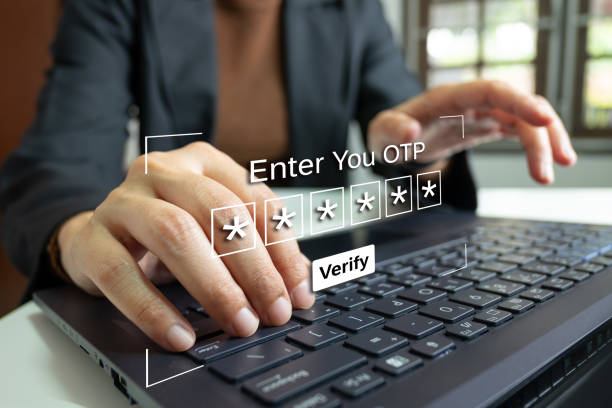
Implementing Two-Factor Authentication in Large Enterprises: BSG Platform Simple Guide
Successfully deploying Two-Factor Authentication (2FA) across the organization involves careful planning and implementation. When you rely on a service vendor, such as BSG, you can enjoy an easy integration process ensured via API.
- Integrate 2FA functionality via API with a few lines of code only
Visit our 2FA page or request support center assistance to get started with 2FA cybersecurity measure.
Once you’ve established this functionality with BSG, your users will proceed with these simple steps to get authenticated with 2FA:
- The user enters the site and enters login and password
- The system sends the user a request to perform two-factor authentication using SMS or Viber
- The user receives a message with code
- The system checks the entered code and grants access to the user
So, it’s easy to get started with 2FA by BSG for a business, and convenient for your customers to authenticate.
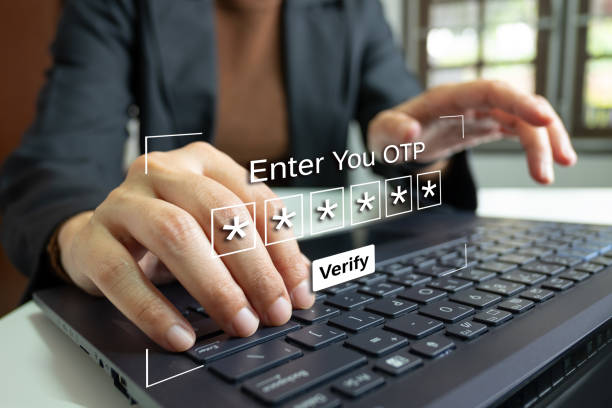
Challenges and Considerations in Implementing 2FA
Implementing 2FA presents a range of potential challenges that encompass:
- Integration: Melding 2FA with existing systems can be a daunting task, often characterized by complexity and increased cost.
- User adoption: There may be a degree of user resistance to the introduction of additional steps or the need to use physical tokens, both of which can create a hurdle to widespread adoption.
- Method selection: It’s crucial to find a balance between maintaining stringent security measures and offering an uncomplicated, user-friendly experience.
To effectively navigate these challenges, the following strategies can be useful:
- Offering diverse 2FA methods: By providing a range of different options for 2FA, it becomes easier for users to find a method that they find convenient and are therefore more likely to use.
- User education: Helping users understand the importance and benefits of 2FA can foster greater acceptance of these measures.
- Continuous monitoring and feedback: Keeping a close eye on how the system is working and actively seeking feedback from users can highlight any potential usability issues.
The Growing Importance of Cybersecurity in Large Enterprises
Large enterprises today face an ever-expanding array of cybersecurity risks that threaten their critical data, sensitive information, and overall business operations. The rise of sophisticated cyber threats, such as ransomware attacks, data breaches, and phishing scams, has heightened the urgency for organizations to implement robust security measures to protect themselves and their customers.
One such essential security measure is Two-Factor Authentication (2FA), which plays a crucial role in fortifying the defenses of large enterprises against these evolving threats.
The escalating cybersecurity risks stem from several factors:
Expanding Cyberattack Opportunities Through Digitization and Interconnectedness
The increasing digitization and interconnectedness of business operations have expanded the attack surface for cybercriminals. Large enterprises often manage vast networks of interconnected devices, systems, and applications, providing numerous entry points for potential breaches.
Rising Cybercriminal Sophistication and Collaborative Tactics
Cybercriminals are becoming more organized and sophisticated, employing advanced techniques and tools to breach security defenses. They exploit vulnerabilities in software, manipulate human psychology through social engineering tactics, and even collaborate in underground forums to share knowledge and resources.
Here are a couple of real-life examples:
- 2017 Equifax Data breach
Hackers exploited a vulnerability in Equifax ’s website software to gain unauthorized access to the sensitive personal information of over 147 million consumers. The breach exposed social security numbers, birth dates, addresses, and other sensitive data, leading to significant financial and reputational damages for Equifax and impacting millions of individuals. This incident highlights the importance of robust security measures like 2FA to mitigate the potential consequences of such large-scale breaches.
- 2013 Twitter password leaks
Prior to Twitter’s implementation of 2FA in 2013, the social media platform experienced several high-profile account breaches, including those of major media outlets and public figures. After adopting 2FA, account compromises were drastically reduced, demonstrating how an additional layer of authentication can deter potential attackers and protect user data.
The cybersecurity landscape for large enterprises is fraught with escalating risks that demand proactive and robust security measures. Two-Factor Authentication has emerged as a critical component of a comprehensive cybersecurity strategy, offering an effective defense against cyber threats, unauthorized access, and data breaches.
With the ever-increasing sophistication of cyber attacks, large enterprises must prioritize the implementation of 2FA and other advanced security measures to safeguard their valuable assets and maintain the trust of their customers.
Future Trends and Innovations in Two-Factor Authentication
Emerging technologies like biometric authentication, behavioral biometrics, and mobile-based solutions are advancing Two-Factor Authentication (2FA) in enterprise cybersecurity.
The future of 2FA looks promising as it evolves with 1) AI, 2) machine learning (ML), and 3) IoT, expanding its scope to secure interconnected devices and critical systems. Widespread adoption and integration with cutting-edge tech will strengthen enterprise defenses against cyber threats, providing a safer digital environment for businesses and users.
Should you require assistance with implementing a 2FA functionality, don’t hesitate to reach out to BSG — a communication provider.
Conclusion
Two-Factor Authentication (2FA) plays a crucial role in mitigating cybersecurity risks by providing an extra layer of security beyond traditional passwords. In large enterprise environments, where cyber threats are more sophisticated and widespread, the significance of 2FA becomes even more evident.
By implementing 2FA, businesses can significantly enhance their security posture and reduce the likelihood of falling victim to modern cyber threats. Contact BSG — a communication service provider to request 2FA integration to your platform.


Interested in a special offer?
Ready to reach further?
Let’s talk


Related articles
Each company happily exists till a lot of competitors appear some day. The search on
Have you ever wondered why service providers gather your personal information, such as your date

The start of the school year: when parents trade in their summer margaritas for the