




API
What is an API?
In the world of technology, the term API is frequently mentioned, but what does it really mean? An API, or Application Programming Interface, is a set of rules and protocols that allows different software applications to communicate with each other. Think of it as a bridge that enables the exchange of information and functionality between various systems and platforms.
Most integrations of this kind are conceptually related to a broader CPaaS platform, which bundles messaging, voice, and verification behind a single set of APIs instead of one endpoint per channel. For the practical side of this, check out BSG's How Does the SMS API Work and What Are the Benefits?.
Understanding the API Meaning
At its core, the API meaning revolves around the concept of enabling interactions between disparate software components. By defining a clear set of methods and data formats, an API ensures that different applications can work together seamlessly. This interoperability is crucial in our interconnected digital landscape, where systems need to share data and functionality to provide comprehensive solutions.
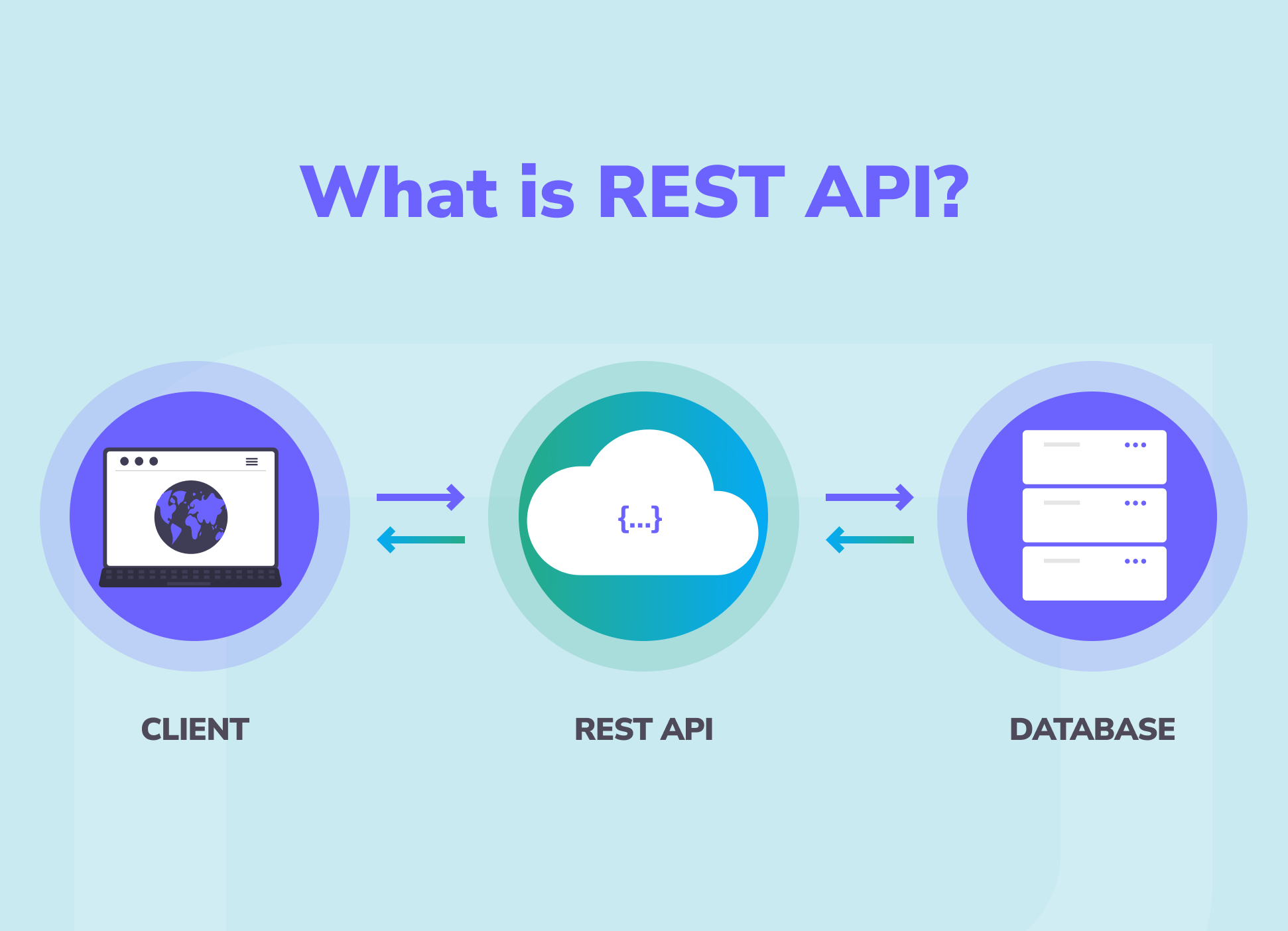
So, what is an API in practical terms? Imagine a restaurant where you order food. The menu lists what the kitchen can prepare, and the waiter takes your order to the kitchen and brings your food back. In this analogy, the menu is like the API documentation, specifying what services are available, while the waiter acts as the intermediary facilitating your request. Similarly, an API defines what operations a software component can perform and how to request them, making it possible for different software systems to interact without needing to understand each other’s internal workings.
REST API and RESTful API
One of the most common types of APIs is the REST API . REST, which stands for Representational State Transfer , is a way of designing APIs that use standard HTTP methods. Here’s a simpler breakdown:
- CRUD Operations
REST APIs allow you to Create, Read, Update, and Delete data using simple HTTP methods.
- Stateless Communication
Each request from a client to a server must contain all the information the server needs to fulfill that request. The server doesn’t store any state about the client between requests.
- Web Standards
RESTful APIs use standard web protocols and data formats, making them easy to use and integrate.
This approach makes RESTful APIs:
- Highly Scalable. They can handle a growing amount of work or requests efficiently.
- Easy to Integrate. They work well with other web services, making it easier to connect different systems and applications.
- Interoperable. They foster a more connected and functional web ecosystem, allowing different systems to communicate effectively.
API Key and API Gateway
Security and management are critical aspects of API usage. An API key is a unique identifier that authenticates requests made to an API. It acts like a digital signature, ensuring that the requester has the necessary permissions to access the API’s resources. On the other hand, an API gateway serves as an entry point for all API requests. It manages and routes traffic, enforces security policies, and scales API requests to handle varying loads. Essentially, the API gateway provides a layer of abstraction, simplifying the process of API management and enhancing security.
API Integration
API integration connects different applications and systems using APIs to automate processes, exchange data, and improve functionality. For businesses, API integration offers several benefits :
- Streamlined Operations. Automates tasks and reduces manual work.
- Improved Customer Experiences. Provides better and faster services.
- Innovation. Helps develop new features and solutions.
For example, integrating a payment gateway with an e-commerce platform or connecting a CRM system with marketing tools shows the importance of API integration. It enables smooth interactions between different software systems.
Messaging is one of the most common integrations of this kind: instead of building SMS delivery from scratch, most platforms connect to a provider's SMS API and send messages through a single, documented set of endpoints.


Interested in a special offer?
Ready to reach further?
Let’s talk


Related Terms
Explore BSG Solutions
Useful Materials
![WhatsApp Business API: Complete Guide — Setup, Pricing, Use Cases [2026]](/assets/img/blog/whatsapp-business-api-setup-pricing-use-cases-guide_avatar.jpg)
WhatsApp Business API for 2026 — setup steps, the new per-message pricing model, and proven use cases by industry.
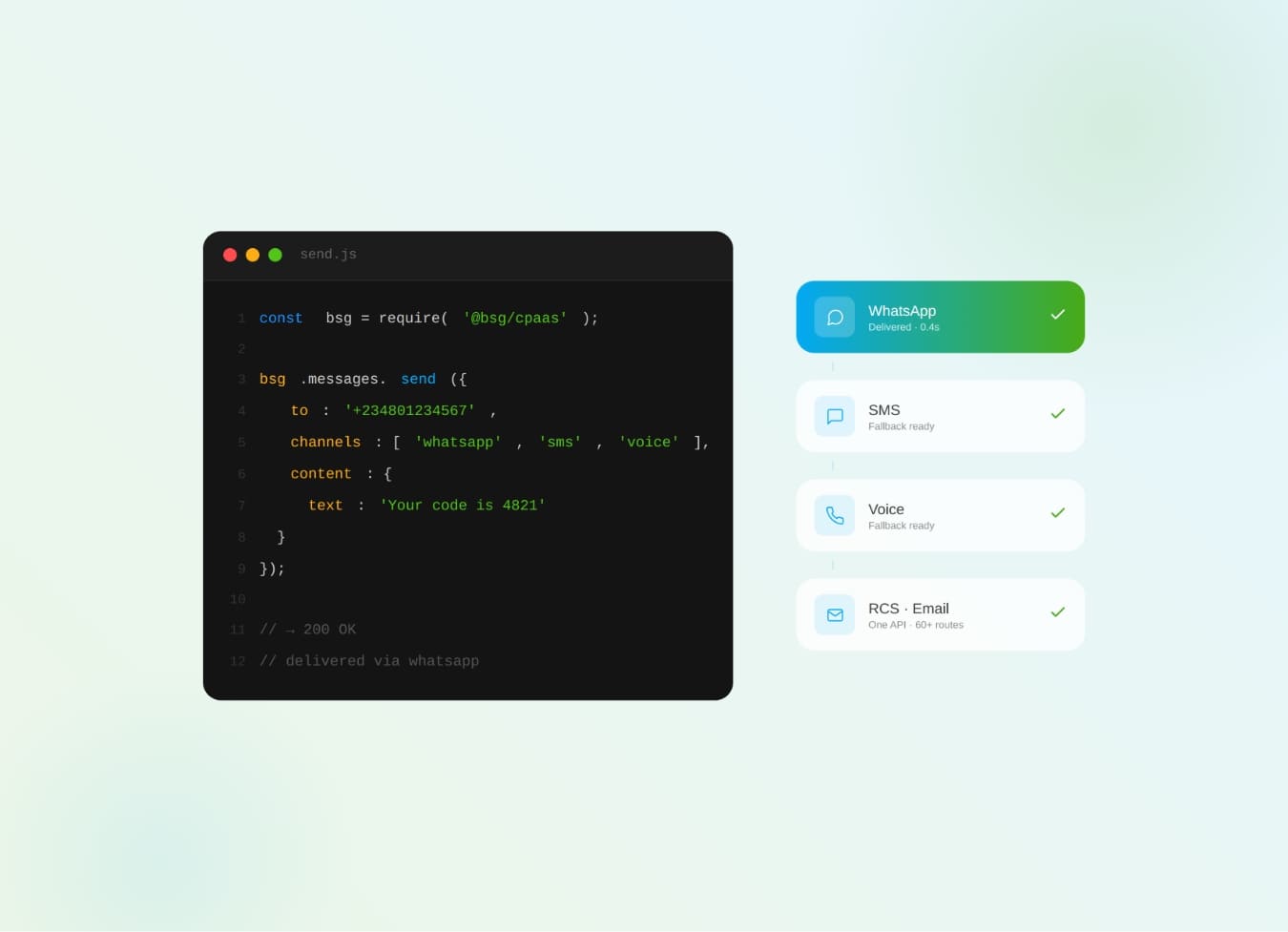
What is CPaaS? The cloud API layer that adds SMS, WhatsApp, voice & OTP to your apps — how it works and why it beats a multi-vendor stack.
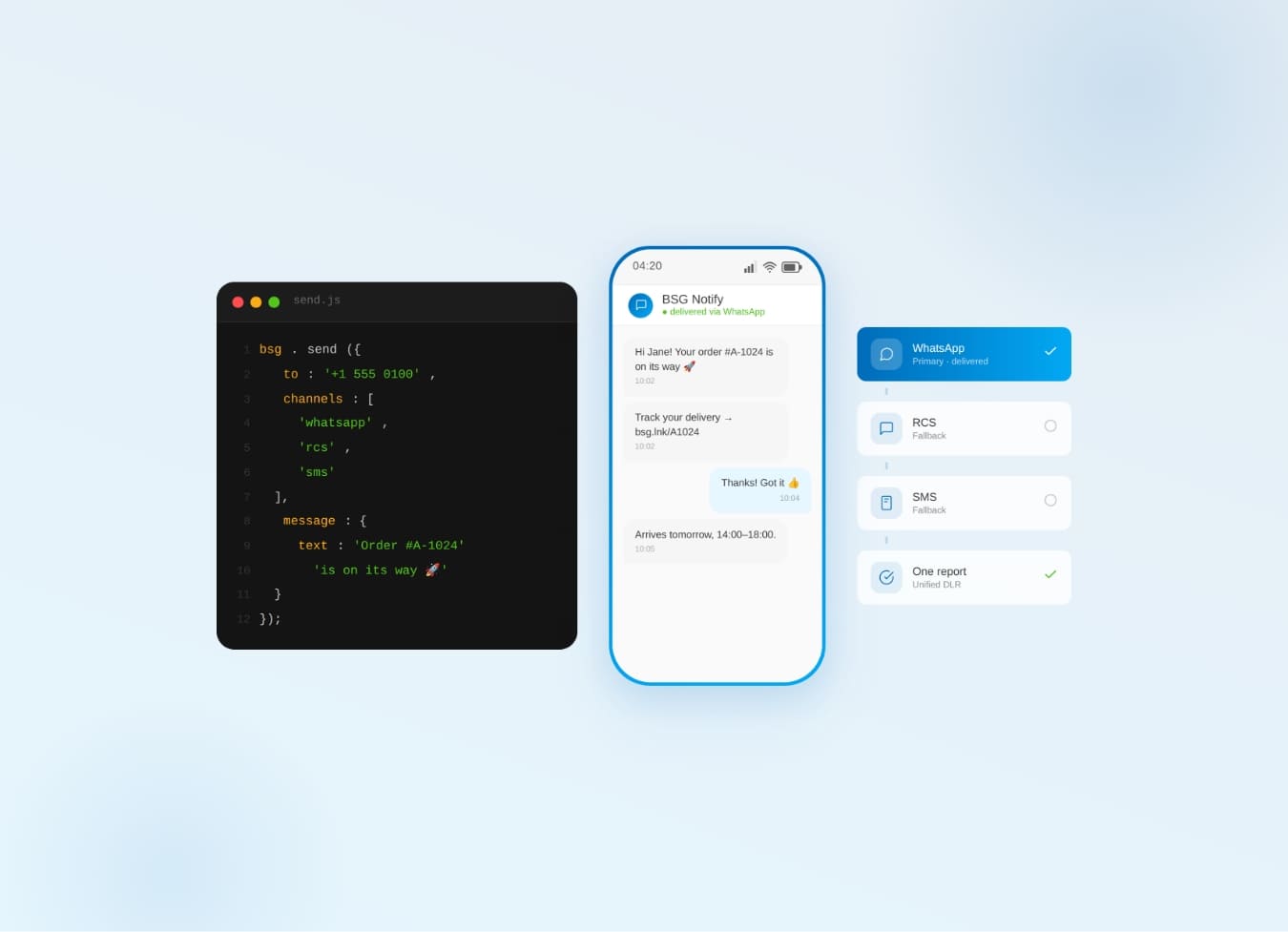
Why one communication API for SMS, WhatsApp, Viber & RCS beats five separate integrations — cascade fallback, unified reports.