




Grey Route
What is a Grey Route?
A grey route is an SMS delivery path that reaches an operator's subscribers without a proper commercial agreement, so it is cheaper per send but unpaid-for and unreliable.
A grey route is a messaging path that carries application-to-person SMS into an operator's network without an official termination agreement, so the operator is not paid for delivery. Because there is no contract behind it, a grey route is cheaper per message and is the usual source of a below-market tariff — but delivery is inconsistent and often silently dropped by the operator's SMS firewall. Mobilesquared estimated grey routes still carried around a quarter of global A2P SMS traffic in 2022.
For OTP and payment authentication, grey-route weakness shows up as failed first-attempt delivery, more billable retries, and abandoned transactions — which is why the cheapest quote frequently produces the highest cost per delivered OTP. Operators fight grey routes with firewalls, so a path that delivers acceptably one month can be filtered the next, making the effective delivery rate drift over time. Direct, agreement-backed routes cost more per send but land more codes on the first attempt.
Related terms
Related BSG products
Further reading


Interested in a special offer?
Ready to reach further?
Let’s talk


Useful Materials
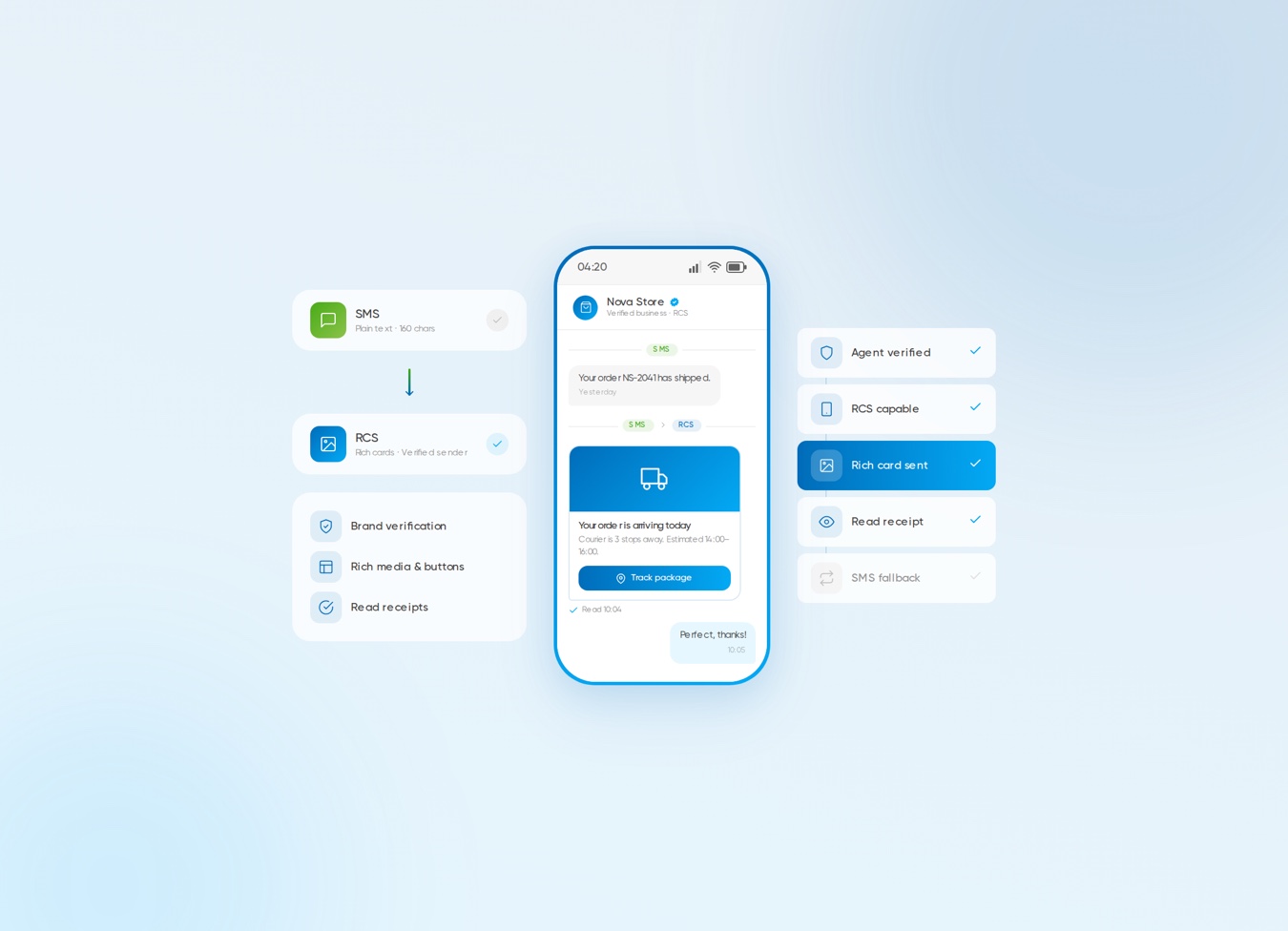
Apple RCS is live on iPhone. Which EU and UK carriers support it and how to plan campaigns with SMS fallback.
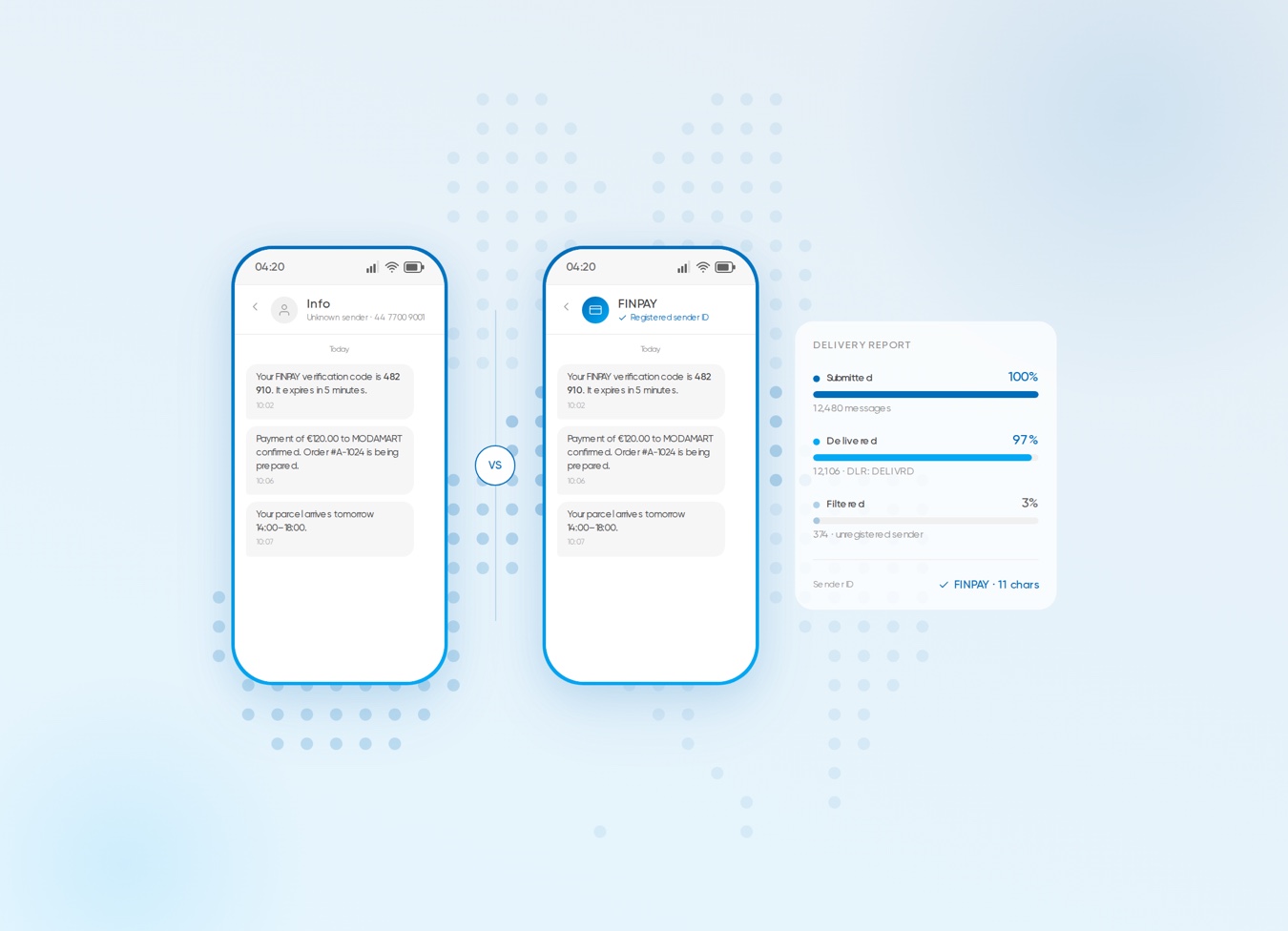
Why unregistered senders get filtered in the EU and UK, and what each country requires for sender ID registration.
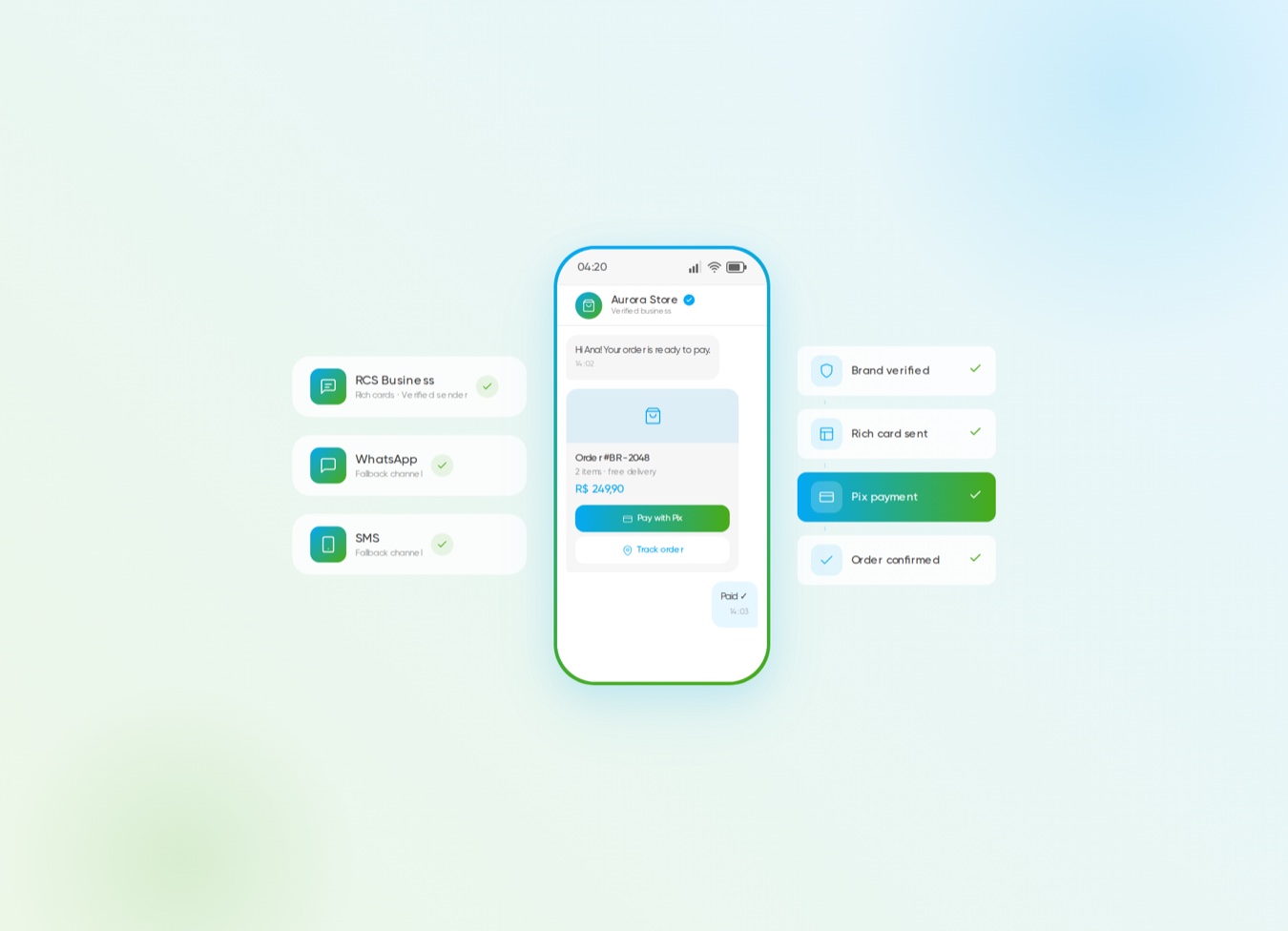
Vivo, Claro and TIM coverage, iPhone status, where RCS beats SMS in Brazil and how to launch with SMS fallback.