





Two-factor authentication (2FA), Time-Based One-Time Passwords (TOTP), and Push-Based Authentication are three popular methods used to enhance the security of digital systems by adding an additional layer of authentication beyond the traditional username and password.
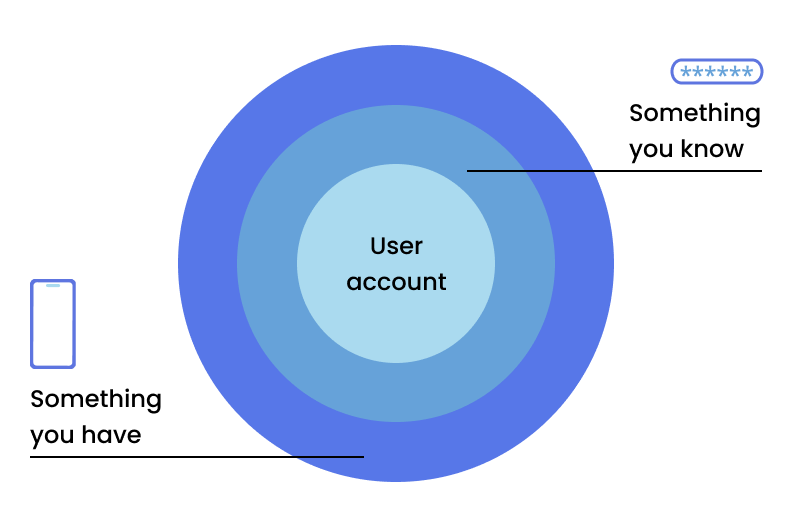
2FA, the oldest of the three, requires users to provide two types of verification, typically something they know (password) and something they have (a mobile device, smart card, or hardware token). This method offers strong security, but it can be somewhat cumbersome for users.
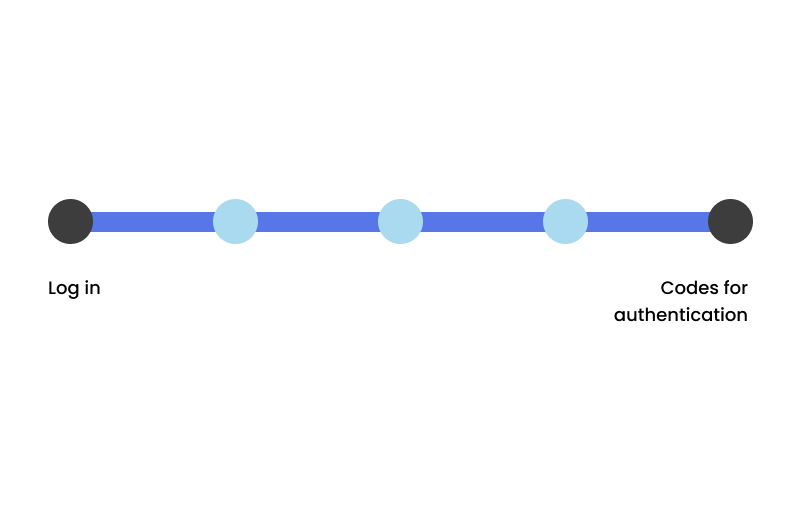
TOTP, on the other hand, is a form of 2FA that uses time-sensitive one-time passwords generated by a mobile app or hardware token. Users enter the current code, which changes every 30 seconds, in addition to their password. TOTP provides good security and is more convenient than some 2FA methods.
Push-Based Authentication, a more recent development, leverages mobile apps to send push notifications to a user’s device, prompting them to approve or deny access. It’s highly user-friendly, requiring a simple tap on the screen, and offers strong security.
In summary, 2FA is a broad category encompassing various methods, including TOTP and Push-Based Authentication. TOTP offers a balance between security and convenience, while Push-Based Authentication prioritizes user-friendliness, making it a popular choice for many modern applications. The choice between these methods depends on the specific security and user experience requirements of a given system.
The Role of Authentication in the Modern Digital Landscape
Authentication is of paramount importance in today’s digital world due to the pervasive nature of online activities and the ever-increasing risks associated with unauthorized access. Here are several key reasons why authentication is crucial:
- Security: Authentication ensures that only authorized users gain access to sensitive information, systems, and services. Without it, data breaches and cyberattacks become more likely, leading to data theft, financial loss, and reputational damage.
- Privacy Protection: In an era where personal data is highly valuable, proper authentication safeguards individuals’ privacy by preventing unauthorized parties from accessing personal information, accounts, and digital assets.
- Regulatory Compliance: Many industries and regions have stringent regulations regarding data protection and privacy. Authentication mechanisms help organizations comply with these regulations, avoiding legal consequences.
- Identity Verification: Authentication is the cornerstone of verifying the identity of users in various scenarios, including online banking, e-commerce, and healthcare. This is crucial for preventing identity theft and fraud.
- Multi-Device Usage: With the proliferation of smartphones, tablets, and computers, users often access the same accounts and services from multiple devices. Authentication ensures seamless and secure cross-device experiences.
In essence, authentication safeguards the integrity, confidentiality, and availability of digital assets, contributing to trust in the digital realm. It is an indispensable component of modern cybersecurity strategies, essential for safeguarding individuals, organizations, and society at large from the ever-present threat of cyberattacks.
Two-factor authentication (2FA)
Let’s get to the business side of things. What is two-factor authentication and what does it really mean? 2FA is a security mechanism that adds an extra layer of protection to the traditional username and password login process. It requires users to provide two different forms of verification, making it significantly more challenging for unauthorized individuals to gain access to an account or system.
How 2FA Works:
- First Factor (Knowledge): This is typically something the user knows, such as a password or PIN.
- Second Factor (Possession or Inherence): This is something the user has (e.g., a mobile device, smart card, or fingerprint) or something intrinsic to the user (biometrics like fingerprints, retinal scans).
Advantages of 2FA:
- Enhanced Security: 2FA significantly reduces the risk of unauthorized access, as even if a password is compromised, an attacker would still need the second factor to gain access.
- Protection Against Phishing: It helps mitigate the effectiveness of phishing attacks because even if users are tricked into revealing their password, attackers cannot easily obtain the second factor.
- Compliance: Many regulatory requirements and security standards mandate the use of 2FA for sensitive data and applications.
- Customization: Users can often choose from a variety of second factors, allowing for flexibility and convenience.
Disadvantages of 2FA:
- User Friction: Some users may find 2FA processes cumbersome and time-consuming, potentially leading to frustration.
- Hardware Costs: Implementing 2FA with hardware tokens or biometric devices can be costly.
- Recovery Challenges: If users lose their second factor, account recovery can be complex and time-consuming.
- Technical Compatibility: Not all systems and applications support 2FA, making implementation challenging in some cases.
Time-Based One-Time Passwords
TOTP is a popular two-factor authentication (2FA) method that generates temporary, time-sensitive codes for secure access to digital accounts and systems. It relies on time synchronization between the authentication server and the user’s device to create one-time passwords.
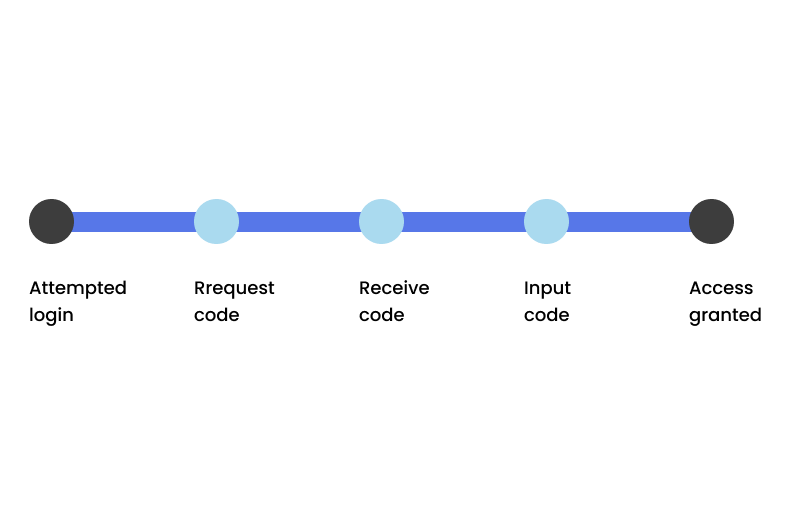
How TOTP Works:
- The user installs an authenticator app or device, which is synchronized with the server.
- When authentication is required, the server and the user’s device generate a shared secret key.
- Both the server and user’s device use this key and the current time to generate a time-based, one-time password (typically a 6-digit code).
- The user enters this code alongside their regular password to complete the 2FA process.
Pros of TOTP:
- Strong Security: TOTP offers robust security due to the constantly changing nature of the generated codes.
- Offline Use: TOTP doesn’t require a network connection once the initial setup is complete, making it suitable for offline scenarios.
- Compatibility: Many authentication apps and services support TOTP, making it widely accessible.
- User Control: Users have control over their second factor through mobile apps.
Cons of TOTP:
- Setup Complexity: The initial setup process can be more complicated for users compared to other 2FA methods.
- Code Entry Errors: Users may enter the codes incorrectly, leading to authentication issues.
- No Biometrics: TOTP does not support biometric authentication, potentially limiting user convenience.
- No Phishing Protection: TOTP is still vulnerable to phishing attacks where users may mistakenly enter their codes on malicious sites.
Push-Based Authentication
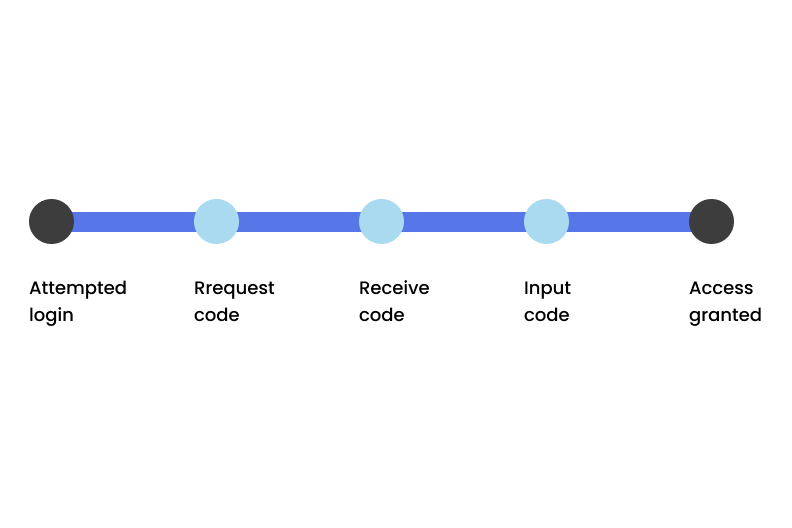
Push-based authentication is a 2FA method that leverages mobile apps or notifications to enhance security. It differs from other 2FA methods in that it doesn’t require the user to manually input a code; instead, the system sends a push notification to the user’s mobile device, prompting them to approve or deny access.
Advantages:
- User-Friendly: Push-based authentication is highly user-friendly, requiring a simple tap on the mobile device, making it convenient.
- Strong Security: It offers robust security by confirming the user’s identity through their mobile device.
- Real-Time Alerts: Users receive real-time notifications, allowing them to quickly respond to potential unauthorized access attempts.
- Phishing Resistance: It’s resistant to phishing attacks as the user verifies the request directly.
Disadvantages:
- Device Dependency: Users must have a compatible mobile device to receive push notifications.
- Connectivity Issues: Network or device connectivity problems may hinder the receipt of push notifications.
- Lost or Stolen Devices: If a user’s mobile device is lost or stolen, push-based authentication can be compromised.
- App Requirement: It necessitates users to install and maintain a mobile app, which may not be feasible for all users.
Comparing 2FA, TOTP, and Push-Based Authentication
In summary, the choice between 2FA, TOTP, and push-based authentication depends on the specific needs and priorities of a system. While 2FA offers a broad range of methods, TOTP provides a balance between security and usability, and push-based authentication excels in user-friendliness and real-time security but may depend heavily on users having compatible devices and installing mobile apps. Each method has its strengths and vulnerabilities, so a thoughtful assessment of security and user experience requirements is crucial when implementing 2FA.
Use Cases and Best Practices
2FA (Two-Factor Authentication):
Use Cases : Widely used in online banking, email services, and sensitive corporate systems.
Best Practices : Implement 2FA where sensitive data or transactions occur, regularly educate users about its benefits, and choose methods suitable for your user base (e.g., SMS for convenience, and hardware tokens for high security).
TOTP (Time-Based One-Time Password):
Use Cases : Commonly employed in securing online accounts, cloud services, and VPN access.
Best Practices : Ensure proper time synchronization between the server and the user’s device, educate users about TOTP setup, and encourage the use of dedicated authentication apps for reliability.
Push-Based Authentication:
Use Cases : Ideal for user-friendly access to mobile apps, social media accounts, and secure data access.
Best Practices : Develop user-friendly mobile apps for push notifications, regularly update and maintain the app, and emphasize the security benefits of real-time user verification to users.
Choosing the Right Authentication Method
Choosing the right authentication method hinges on a careful assessment of security needs, user experience, and implementation capabilities. Consider the sensitivity of the data or systems being protected, the user base, and the available technology. Prioritize security but balance it with user-friendliness, as complex methods may deter users. Implementing a mix of methods may be beneficial to accommodate various use cases while minimizing risks. Regularly review and update the chosen authentication methods to adapt to evolving security threats and technology advancements.
Conclusion
The importance of authentication cannot be overstated. As we’ve seen, 2FA, TOTP, and push-based authentication all offer distinct advantages and drawbacks, depending on your security requirements and user base. To protect your organization from data breaches and cyber threats, selecting the right authentication method is pivotal.
At BSG, we understand the complex security landscape and offer a cutting-edge 2FA service tailored to your specific needs. Our robust, user-friendly solution prioritizes security while enhancing the user experience. Don’t leave your digital assets vulnerable. Contact us today to implement a robust two-factor authentication strategy that keeps your data secure and your users satisfied. Your digital security is our top priority.


Interested in a special offer?
Ready to reach further?
Let’s talk


Related articles
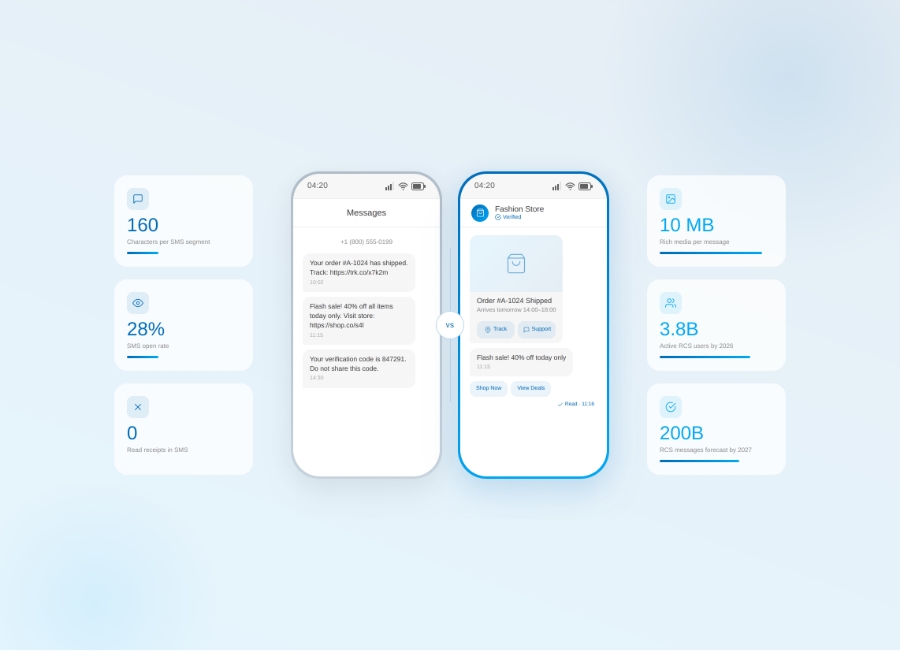
RCS turns SMS into a branded, interactive channel — see how it works in 2026 and how to send at scale.

Quality customer service lies at the core of any prosperous business, and voice bots are
![WhatsApp Business API: Complete Guide — Setup, Pricing, Use Cases [2026]](/assets/img/blog/whatsapp-business-api-setup-pricing-use-cases-guide_avatar.jpg)
WhatsApp Business API for 2026 — setup steps, the new per-message pricing model, and proven use cases by industry.