





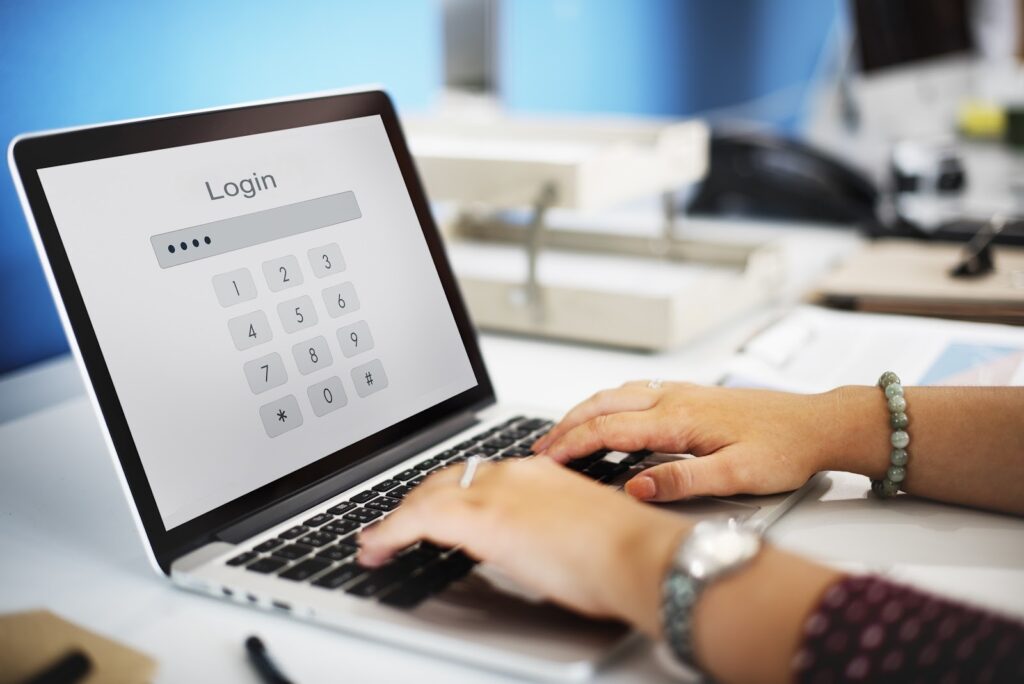
Security is the backbone of any enterprise requiring customers to input personal information. Weak infrastructure, predictable passwords, password hacking, malware, and phishing of customer details by cybercriminals result in huge losses for the customer and the company.
IBM reports that it costs companies and governments an average of $4.35 million . The severity of this problem is expected to see an increase in spending on cybersecurity to $223.8 billion in 2023 .
Businesses can prevent these losses through 2-Factor authentication mechanisms that double data and transactions’ security. If you are yet to integrate 2FA into your business, you are missing a lot and exposing your customer details to cyber attacks.
In this post, you will see the details of 2FA and the steps to implement it. You can skip the post and contact BSG to begin the implementation process.
How Does 2-Factor Authentication work
Let’s talk specifics and see how 2-factor authentication operates in these steps.
- A user accesses a website or a payment platform of a banking or financial services company.
- The website or platform requests input of user login details such as user ID (an email address, phone number, or username) and password.
- After entering the required information, the system confirms the user’s identity.
- The platform then generates a unique sequence of number keys sent to the user through SMS or email.
- Entering the unique code generated begins the second layer of security checks before the particular user confirms the transaction.
Why Is it Important
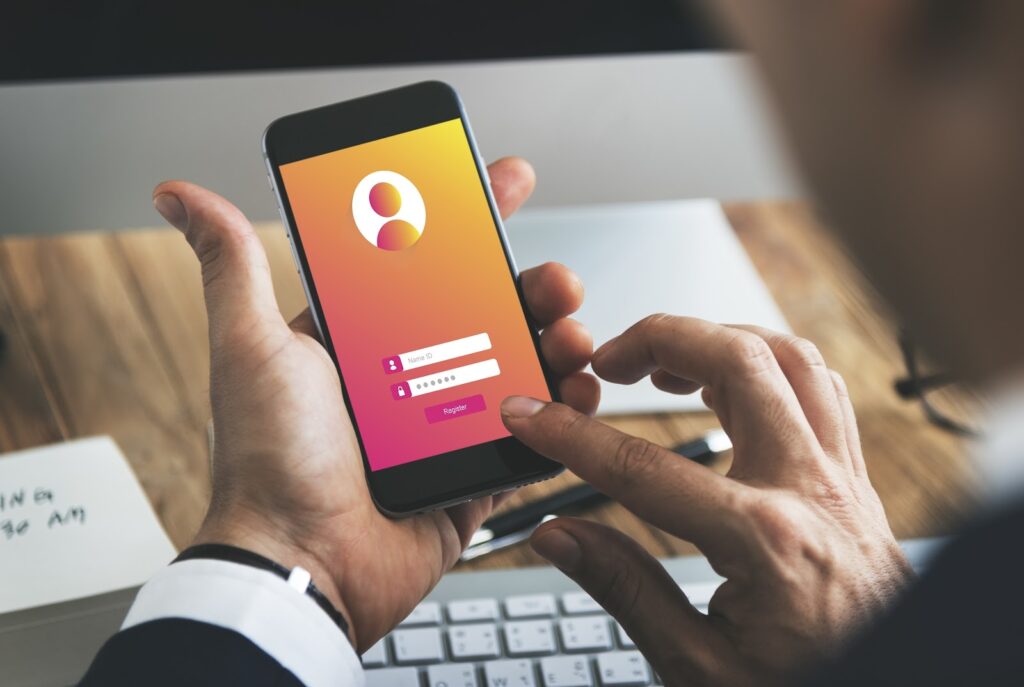
You may think that your customers are smart enough to use strong password combinations to safeguard their details. A report from the UK’s National Cyber Security Center (NCSC) shows that about 15% of the British population use their pet names as passwords. A further 6% of the people surveyed stated that they use ‘password’ as their password.
Even if the customer is cautious enough to form a strong password, it is still susceptible to hijacks by cybercriminals. Cybercriminals apply social engineering tricks like phishing and brute force to bypass these easy-to-predict passwords. The criminals can simply go on social media and figure out these passwords.
2-Factor authentication guarantees that even if the password is hijacked or bypassed, the hacker will not gain access to the user’s information. The advantage for you is a secure environment for customers to transact and mitigates losses in the event of a data breach.
Steps to Setting up 2-Factor Authentication
You have seen the importance of 2FA with its upside for business owners. It is time to consider how to implement 2FA into your business structure.
Identify the accounts that need 2FA
Every application that uses Internet access is liable to be hacked. Therefore any account associated with any web-based site needs 2FA to provide double protection from hackers. If you operate in industries like Healthcare, Banking, Financial Services, Insurance, and e-commerce, you need 2FA security architecture to keep your customers’ accounts safe.
Choose the appropriate 2FA method for each account or system
There are several 2-Factor authentication methods to choose from. You can select 2fa via SMS or voice call, authentication apps, push notifications, biometrics, and hardware 2-factor tokens. Hardware tokens are portable devices that generate authentication codes. However, they are expensive and easily get lost. 2FA via SMS, on the other hand, is cheaper to implement and accessible to all customers. You should look at your business model to determine the most suitable method.
Train your employees on how to use 2FA and why it’s important.
You must educate your staff members on the importance of 2FA and how it protects the business from losses. Start by making 2-Factor authentication compulsory for Admin accounts. With time they will get used to it. Employees must know about 2FA to educate customers on the need to take the security of their accounts seriously.
Test the 2FA setup to ensure that it’s working properly.
As you implement the 2FA mechanism, take stock of whether it works seamlessly. Assemble a test team to sample the security measure you choose and note the areas of improvement. You may need to invest more in hardware or adequate online support for failed sign-ins and lost devices. Having this backup plan gives customers trust that you are concerned about the security of their data.
Another important step is to inform your app users of the dangers of using weak passwords or predictable words like their pet names or date of birth as passcodes. Tell them not to divulge personal details to strangers posing as customer support agents.
Wrapping Up
Security is a continuous process in light of sophisticated attacks by cybercriminals.
Implementing security measures like 2FA endears you to your customers by reducing the likelihood of fraud attacks on their accounts. 2-Factor authentication also helps keep your business website hack-free, as hackers easily target unsecured websites.
If you need a robust 2FA solution for your business, BSG has got you covered. We are capable and ready to work with you toward securing your online infrastructure with the best 2FA solution. Contact us here to discuss your project.


Interested in a special offer?
Ready to reach further?
Let’s talk


Related articles
SMS marketing is indispensable in today’s retail landscape for its direct and immediate communication. With

Are you a fan of online gaming and betting or do you have an iGaming

As the holiday season approaches, bringing cozy evenings with loved ones and the joy of