





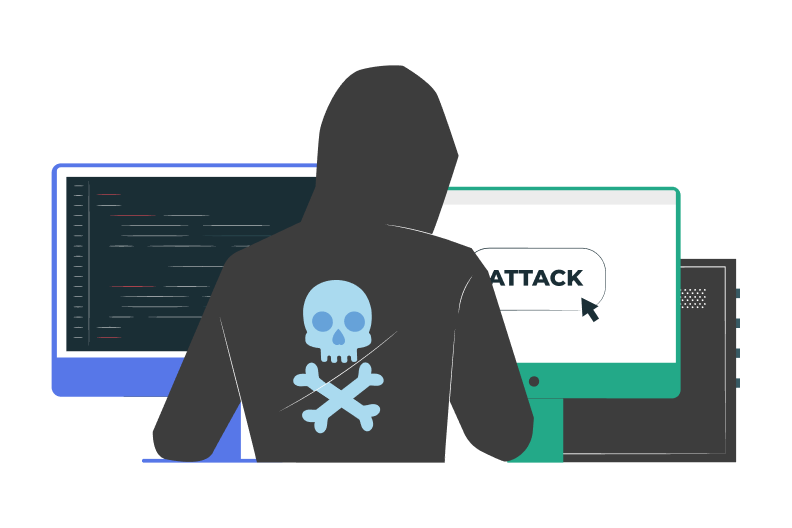
2024 has been a year of significant developments and challenges. As the Product Manager at BSG, I’ve had the unique opportunity to observe and engage with these changes firsthand. Through my experience, I’ve gained valuable insights into the current trends shaping our digital world.
In this article, I’ll share my perspective on the most impactful trends in Internet security this year, offering a glimpse into the strategies and technologies that are defining our approach to online safety. Whether you’re a tech enthusiast, a concerned netizen, or just curious about what the future holds, I invite you to join me on this journey through the digital landscape of 2024.
me on this journey through the digital landscape of 2024.
Overview of Internet Security Landscape
Cybercriminals have become more adept, leveraging AI and machine learning to execute complex attacks. However, the cybersecurity community has risen to the challenge. We’re seeing an increased reliance on advanced technologies like artificial intelligence and blockchain to bolster defenses and enhance real-time threat detection.
There’s also a growing emphasis on privacy, with new regulations and consumer awareness driving changes in data protection strategies. Collaboration has emerged as a key theme, with organizations sharing threat intelligence and resources to combat cyber threats more effectively.
Moreover, the rise of remote work has accelerated the adoption of secure access service edge (SASE) models, blending network security and remote access solutions. As threats evolve, so does our approach, underscoring the need for agility and continuous learning in the realm of Internet security.
Evolution of Cyber Threats
As we dive into the evolution of cyber threats, it’s fascinating to see how the digital threat landscape has transformed. In my role as the Product Manager at BSG, I’ve witnessed firsthand how these threats have evolved from simple malware attacks to highly sophisticated cyber-espionage campaigns. Today, we’re facing threats that are not only more complex but also more targeted, often aimed at exploiting specific vulnerabilities in systems or human behaviors.
BSG Product Manager’s Perspective
From my vantage point at BSG, I’ve observed a significant shift in the nature of cyber threats. We’re now dealing with advanced persistent threats (APTs), which linger in networks to gather valuable information over time. Ransomware has evolved too, becoming more aggressive with tactics like double extortion.
Moreover, the surge in IoT devices has opened new avenues for attackers, leading to a rise in IoT-based attacks. Social engineering and phishing remain prevalent, now more sophisticated with deepfake technology and AI-generated content. It’s a continuous game of cat and mouse, where staying ahead means not just reacting to threats, but proactively predicting and mitigating them. The evolution of these threats keeps us on our toes, constantly innovating and adapting to protect our digital ecosystem.
Predictions for 2024
Looking ahead to the rest of 2024, the realm of Internet security is poised for some exciting and significant trends. Based on my observations and experiences at BSG, I’m eager to share a few predictions that I believe will shape the cybersecurity landscape this year.
AI and Machine Learning in Cybersecurity
In 2024, we expect a significant increase in the adoption of AI and machine learning within cybersecurity. These technologies are evolving to not only detect threats more effectively but also to automate responses, leading to quicker and more efficient resolution of security incidents.
Securing Remote Work Environments
With the ongoing prevalence of remote work, there’s a growing need for advanced security solutions tailored to distributed workforces. Trends like zero-trust architectures and secure access service edge (SASE) models will gain more traction, ensuring robust security in remote working setups.
User Education and Awareness
As cyber threats become more sophisticated, the importance of user education and awareness is paramount. In 2024, we anticipate a heightened focus on training programs that aim to enhance users’ understanding of security risks and best practices, thereby strengthening the overall security posture.
Collaboration Between Public and Private Sectors
A notable trend this year will be the increased collaboration between public and private sectors in the realm of cybersecurity. This joint effort is crucial for effectively combating evolving cyber threats and for developing stronger, more comprehensive cybersecurity frameworks.
These predictions reflect a combination of technological innovation and a deeper understanding of the human factors in cybersecurity. It’s an exciting time to be in this field, and I’m looking forward to seeing how these trends unfold throughout the year.
Strategies for Enhanced Internet Security
When discussing strategies for enhanced Internet security, it’s exciting to delve into the practical tools and methods that make a real difference in our digital safety. At BSG, we’re always exploring and advocating for effective strategies, and there are a few that I find particularly impactful:
- Two-Factor Authentication (2FA): This is a tool I cannot emphasize enough. 2FA adds an extra layer of security to the standard password method of online identification. By requiring a second piece of information – something you have, like a phone or a token – it significantly reduces the risk of a breach. It’s a simple yet highly effective tool that I recommend everyone to use, whether for personal or professional accounts.
- Regular Software Updates: It’s easy to hit ‘remind me later’ on update notifications, but keeping software up to date is crucial. These updates often include patches for security vulnerabilities that have been recently discovered, making them an essential defense against potential attacks.
- Strong and Unique Passwords: I always advise using complex and unique passwords for different accounts. It can be tempting to use the same password for convenience, but this can make multiple accounts vulnerable if one is compromised. Password managers can be a great tool to maintain strong, unique passwords without the hassle of remembering each one.
- Virtual Private Networks (VPNs): VPNs are fantastic for enhancing online privacy and security, especially when using public Wi-Fi networks. They encrypt your internet connection, making it much harder for hackers to intercept and access your data.
- Regular Backups: Regularly backing up data might not seem like a direct security measure, but it’s a crucial step in mitigating the damage if a security breach does occur. Whether it’s cloud storage or an external hard drive, having a backup can save a lot of stress and loss in the event of a cyber-attack.
- Security Awareness Training: Human error is often the weakest link in cybersecurity. Providing regular training to employees and individuals on recognizing phishing attempts, suspicious links, and other common threats can significantly reduce risk.
- Firewalls and Antivirus Software: These are the basic line of defense for any system. Ensuring you have a good firewall and up-to-date antivirus software can protect against a multitude of online threats.
Incorporating these strategies and tools into your digital life doesn’t have to be overwhelming. At BSG, we encourage a culture where these practices become second nature, enhancing our overall security posture in a way that feels integrated and manageable. It’s all about taking those small but significant steps towards a safer online environment.
Case Studies
- Two-Factor Authentication (2FA): Twitter’s implementation of 2FA for high-profile accounts significantly reduced unauthorized access, showcasing its effectiveness in enhancing account security.
- Regular Software Updates: The WannaCry ransomware attack predominantly affected systems running outdated Windows versions, highlighting the importance of keeping software updated to avoid vulnerabilities.
- Strong and Unique Passwords: The LinkedIn data breach in 2012 exposed the risks of using simple passwords, emphasizing the need for stronger, unique password practices.
- Virtual Private Networks (VPNs): A multinational corporation’s adoption of VPNs for its remote workforce successfully secured employee connections and reduced data breaches from insecure networks.
- Regular Backups: A university targeted by a ransomware attack managed to restore all encrypted data from backups, underlining the critical role of regular data backups in cybersecurity.
- Security Awareness Training: A financial services company saw a decline in successful phishing attacks following the implementation of regular employee security awareness training.
- Firewalls and Antivirus Software: A small online retailer’s investment in quality firewall and antivirus solutions proved effective when an attempted malware attack was successfully blocked, protecting customer data and ensuring business continuity.
These case studies succinctly demonstrate how specific strategies can effectively counteract various cyber threats, reinforcing the importance of a comprehensive approach to Internet security.
Future Technologies in Internet Security
Looking ahead, the future of Internet security is brimming with exciting technological advancements. We’re on the cusp of seeing quantum computing revolutionize encryption, making data security exponentially more robust. Artificial Intelligence (AI) is set to play a bigger role, not just in threat detection, but in predicting and preventing cyber attacks before they happen. Blockchain technology is another area promising enhanced security for digital transactions and identity verification. Furthermore, the integration of biometric security measures, like facial recognition and fingerprint scanning, is becoming more prevalent, offering a more personalized and secure user experience. These technologies, while still evolving, are shaping a future where Internet security is more proactive, intelligent, and tailored to individual needs.
Recommendations for Businesses and Individuals
For businesses and individuals navigating the digital world, my key recommendations are simple yet impactful. First, invest in robust cybersecurity measures like firewalls, antivirus software, and regular software updates. Emphasize the importance of strong, unique passwords and consider using a password manager. Two-factor authentication (2FA) is a must for an added layer of security. Regularly back up important data to mitigate potential losses from cyber attacks. For businesses, regular employee training on cybersecurity awareness is crucial. Lastly, stay informed about the latest cyber threats and security trends; staying proactive is the best defense in our ever-evolving digital landscape.
Conclusion
In conclusion, navigating the complex world of Internet security in 2024 demands a proactive and informed approach. From embracing advanced technologies like AI and 2FA to prioritizing regular updates and employee training, each step is crucial in safeguarding our digital presence. For businesses looking to fortify their cybersecurity, BSG’s omnichannel platform offers a comprehensive solution. It seamlessly integrates the latest security technologies with user-friendly interfaces, making it an ideal choice for companies serious about protecting their digital assets. I invite you to explore how BSG can be your partner in this journey, ensuring a safer, more secure digital future for your organization.


Interested in a special offer?
Ready to reach further?
Let’s talk


Related articles

Effective customer service is a key component of any successful business strategy. To underline this,

In the ever-evolving landscape of telecommunications, businesses constantly seek innovative ways to connect with their

ICE London is coming up and it’s the perfect occasion for gaming professionals. From February