




Missed Call Recovery: Voicebots’ Call-Back Option for Improved Engagement

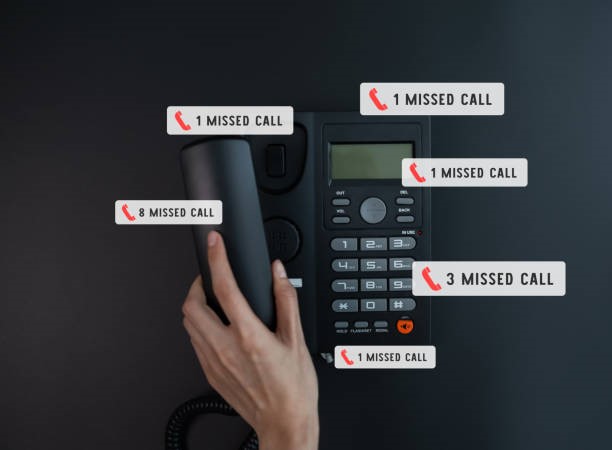
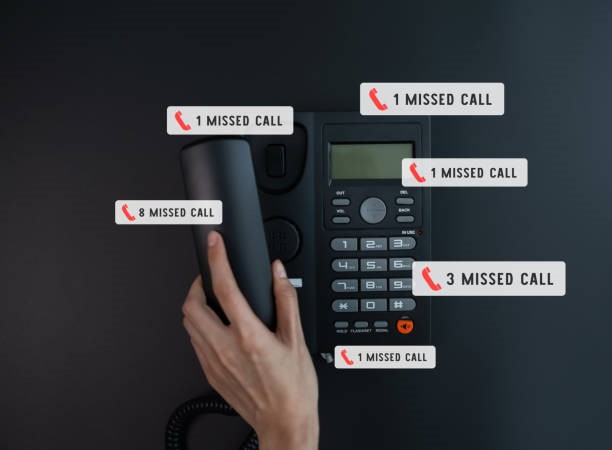
Customer engagement is a pivotal aspect of any successful business, as it directly influences brand loyalty, customer satisfaction, and overall profitability. It encompasses all interactions and connections between a brand and its customers. Missed calls can significantly impact customer engagement as they represent a missed opportunity for communication and relationship-building.
When customers call your business, they seek information, support, or assistance. Failing to answer these calls promptly or not returning missed calls can lead to frustration, erode trust, and result in customers seeking alternatives. Today’s consumers expect instant responses, and a missed call can signal indifference or inefficiency.
Moreover, missed calls can hinder valuable feedback collection and market research opportunities, making it challenging to tailor products or services to customer needs. To maintain a high level of customer engagement, businesses must prioritize responsiveness, ensuring that every call, message, or inquiry is promptly addressed to foster positive relationships and customer loyalty.

Understanding Missed Call Recovery
Missed call recovery is a critical strategy employed by businesses to reclaim and capitalize on missed calls from customers. In the context of customer interactions, it involves acknowledging and addressing calls that were not answered or returned promptly. The significance of missed call recovery lies in its potential to salvage lost opportunities, enhance customer satisfaction, and maintain a positive brand image.
Missed calls pose several challenges. Firstly, they can lead to customer frustration and dissatisfaction. When customers reach out, they often expect timely responses and assistance. A missed call can leave them feeling ignored, prompting them to seek alternatives or vent their frustration on social media, tarnishing a company’s reputation.
Secondly, missed calls represent lost opportunities for revenue generation. Potential sales inquiries, customer orders, or service requests may go unanswered, leading to financial losses. Additionally, missed calls hinder valuable data collection, preventing businesses from understanding customer needs, preferences, and concerns.
Missed call recovery strategies involve promptly returning calls, apologizing for any inconvenience, and ensuring that customers’ needs are met. This proactive approach can turn negative experiences into positive ones, fostering customer loyalty and trust. It also helps in gathering essential customer feedback, enabling businesses to improve their products and services.
In conclusion, missed call recovery is vital for maintaining strong customer relationships, preventing revenue losses, and mitigating reputational damage. By addressing missed calls effectively, businesses can transform challenges into opportunities and build a more engaged and satisfied customer base.
The Rise of Voice Bots in Customer Interaction
Conversational voice bots, also known as voice-activated chatbots or virtual voice assistants, are AI-driven technologies that use natural language processing to interact with customers through spoken language. They play a crucial role in modern customer service by automating and enhancing various aspects of customer interactions.
One significant benefit of voice bots in customer service is efficiency. They can handle a high volume of inquiries simultaneously, providing quick and consistent responses 24/7. This reduces customer wait times and ensures that inquiries are addressed promptly, leading to improved customer satisfaction.
Voice Bots also help in cost reduction. Businesses can save on labor costs by automating routine and repetitive tasks such as answering frequently asked questions, receiving an incoming call, or providing basic troubleshooting assistance. This allows human agents to focus on more complex and value-added tasks, making the overall customer service operation more cost-effective.
Moreover, voice bots contribute to consistency in customer interactions. They deliver uniform and accurate information, ensuring that customers receive standardized responses and support regardless of the time or day of their inquiry. This consistency helps in building trust and maintaining brand reputation.
In summary, voice bots are valuable tools in modern customer service due to their efficiency, cost-saving capabilities, and ability to provide consistent and round-the-clock support. By integrating voice bots into their operations, businesses can enhance customer experiences while optimizing their resources.
Implementing Missed Call Recovery Strategically
Businesses can integrate call-back options into their customer engagement strategies by following these steps:
- Assess Customer Needs. Understand when and why customers may prefer a call-back option, such as during peak call times or for complex inquiries.
- Select the Right Technology. Invest in call-back software that integrates seamlessly with your existing communication infrastructure.
- Promote the Service. Make customers aware of the call-back option through your website, IVR system, and customer service representatives.
- Train Staff. Ensure that your customer service team is trained to offer callbacks and knows when to propose them as a solution.
- Monitor Performance. Continuously evaluate call-back effectiveness, customer satisfaction, and wait times to make improvements.
- Optimize Wait Times. Adjust the call-back queue based on real-time data to minimize customer wait times.
- Feedback Loop. Gather and act on customer feedback to refine the call-back process and enhance customer experiences.
Potential Concerns
Potential concerns or objections regarding voice bots and call-back options in customer service are valid and should be addressed proactively:
- Loss of Human Touch. Some customers may worry that voice bots lack the empathy and understanding of human agents. Solution: Voicebots can handle routine tasks, allowing human agents to focus on more complex issues, where empathy and understanding are crucial.
- Misunderstandings. Customers may fear that voice bots may misinterpret their inquiries. Solution: Implement advanced natural language processing and constantly train the AI to improve accuracy in understanding customer queries.
- Security and Privacy. Concerns about data privacy and security may arise when dealing with AI-driven systems. Solution: Assure customers that data security protocols are in place and compliance with relevant regulations is maintained.
- Technical Issues. Users might encounter technical glitches with voice bots or call-back systems. Solution: Offer readily accessible human assistance for those experiencing technical problems, ensuring a smooth transition to live agents when needed.
- Impersonal Interactions. Customers may perceive voice bots as impersonal. Solution: Design voicebots to use conversational language and personalize responses based on customer data, providing a more human-like interaction.
- Lack of Control. Some customers prefer staying on the line instead of opting for a call-back. Solution: Give customers the choice to continue waiting or request a call-back, empowering them with control over their experience.
- Resistance to Change. Resistance to AI technology is a common issue. Solution: Educate customers about the benefits of AI-driven systems, emphasizing the improved efficiency and convenience they offer.
By addressing these concerns and providing transparent, well-functioning systems, businesses can successfully engage a voice bot service provider and get call-back options while assuring customer hesitations. This approach ensures a positive experience for both customers and the business.
Best Practices for Effective Missed Call Recovery
To maximize the effectiveness of call-back options and optimize customer experience and engagement, consider these best practices:
- Offer Clear Prompts. Ensure that your IVR or website clearly presents the call-back option. Use simple language and intuitive menus. For example, “Press 1 for a call-back” or “Request a call-back now” on your website.
- Reduce Wait Times. Set reasonable expectations for call-back times, and strive to keep them as short as possible. Use historical data to predict peak call times and allocate resources accordingly. For instance, Zappos effectively reduces wait times by offering a call-back option during peak shopping.
- Provide Regular Updates. Keep customers informed about their place in the call-back queue. Send SMS or email updates with estimated wait times and let them know when an agent will call. Southwest Airlines does this effectively, keeping passengers informed about flight delays and anticipated wait times.
- Personalize the Experience. Use customer data to personalize call-back interactions. Refer to previous interactions, purchases, or preferences to provide tailored assistance. Amazon demonstrates this by offering product recommendations based on browsing history and purchase behavior.
- Optimize Call Routing. Ensure that calls are routed to the most qualified agents or departments based on the customer’s needs. For example, if a customer inquires about a technical issue, direct the call to your tech support team.
- Collect Feedback. Gather feedback from customers who use the call-back option to identify areas for improvement. Analyze their experiences to refine your call-back strategy and enhance customer satisfaction.
- Cross-Channel Integration. Integrate the call-back option with other customer service channels, such as live chat or email, for a seamless omnichannel experience. Delta Airlines allows customers to request a call-back through their mobile app, aligning with their digital-first approach.
- Empower Agents. Equip agents with the information needed to address customer issues efficiently. Provide access to customer histories and previous interactions to minimize redundant questions and improve issue resolution.
By implementing these best practices, businesses can make the most of call-back options, enhancing customer engagement, satisfaction, and loyalty while efficiently managing customer inquiries.
Summarizing
Optimizing customer interactions and engagement is paramount and while concerns about impersonal interactions and technical glitches with voice bots and call-back options are valid, addressing these issues with the right partner can transform customer service into a competitive advantage. That’s where BSG’s voice bot service shines.
By seamlessly integrating AI-driven voice bots into your customer engagement strategy, BSG ensures efficiency, consistency, and personalized interactions. With a track record of success and a commitment to data security and compliance, BSG empowers businesses to retain customer loyalty, streamline operations, and enhance overall customer experiences.
Don’t miss the opportunity to harness the potential of AI technology in customer service. Contact BSG today to learn more about how our Voice bot service can revolutionize your customer interactions and drive lasting customer loyalty. Your customers deserve nothing less than the best, and BSG can help you deliver just that.


Interested in a special offer?
Ready to reach further?
Let’s talk


Related articles

Today, online security is paramount for businesses, especially those operating in the e-commerce sector. Shopify,
Every year, shoppers and business owners look forward to the month of November because it’s

Email marketing has proven to be one of the most effective marketing tools. In fact,