




HLR (Home Location Register)
What is Home Location Register?
A Home Location Register (HLR) is a database used by a cellular network to store and manage data about its subscribers, including their mobile phone numbers, service features, and personal information. The HLR is used to authenticate and validate mobile subscribers when they attempt to access services, and it is also used to route incoming calls to the correct mobile device. BSG's Number Verifier queries exactly this HLR data to confirm a number is active before a message is sent.
The HLR is an essential component of a cellular network, as it allows the network to recognize and authenticate subscribers when they attempt to make or receive calls, or access other services. The HLR contains information about each subscriber, such as their phone number, service plan, personal information, and any restrictions on their service.
When a subscriber attempts to make a call, the network will check their HLR to make sure they are authorized to make that call. If so, the network will then route the call to the subscriber’s registered device. The HLR also stores call forwarding numbers and other settings so that when a subscriber is unavailable, their calls will be routed to the right place.
Each subscriber record in the HLR is keyed to their MSISDN — the actual phone number a message or call is addressed to. For real-world context, see BSG's Maintain a Clean, Relevant Database with HRL Service.
How does it work?
The HLR works by storing data for each subscriber. When a subscriber attempts to access a network service, the network will check the HLR to authenticate the subscriber and determine what services they are allowed to access.
The HLR also stores routing information for incoming calls and other settings, so that calls and messages can be routed to the correct device. For example, if a subscriber has call forwarding enabled, the HLR will store this information, and when the subscriber is unavailable, the network will route calls to the specified forwarding number.


Interested in a special offer?
Ready to reach further?
Let’s talk


Related Terms
Explore BSG Solutions
Useful Materials
![WhatsApp Business API: Complete Guide — Setup, Pricing, Use Cases [2026]](/assets/img/blog/whatsapp-business-api-setup-pricing-use-cases-guide_avatar.jpg)
WhatsApp Business API for 2026 — setup steps, the new per-message pricing model, and proven use cases by industry.
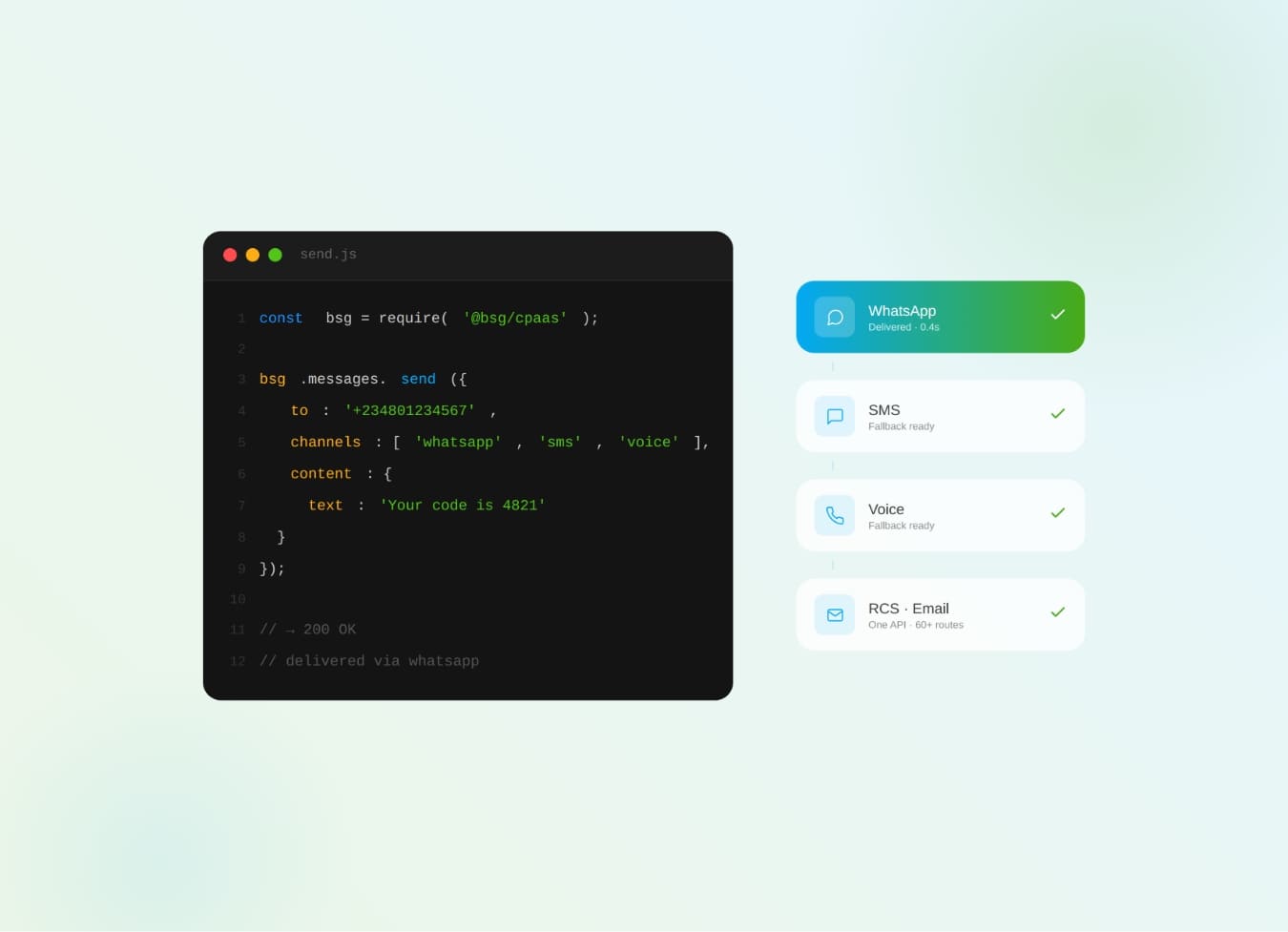
What is CPaaS? The cloud API layer that adds SMS, WhatsApp, voice & OTP to your apps — how it works and why it beats a multi-vendor stack.
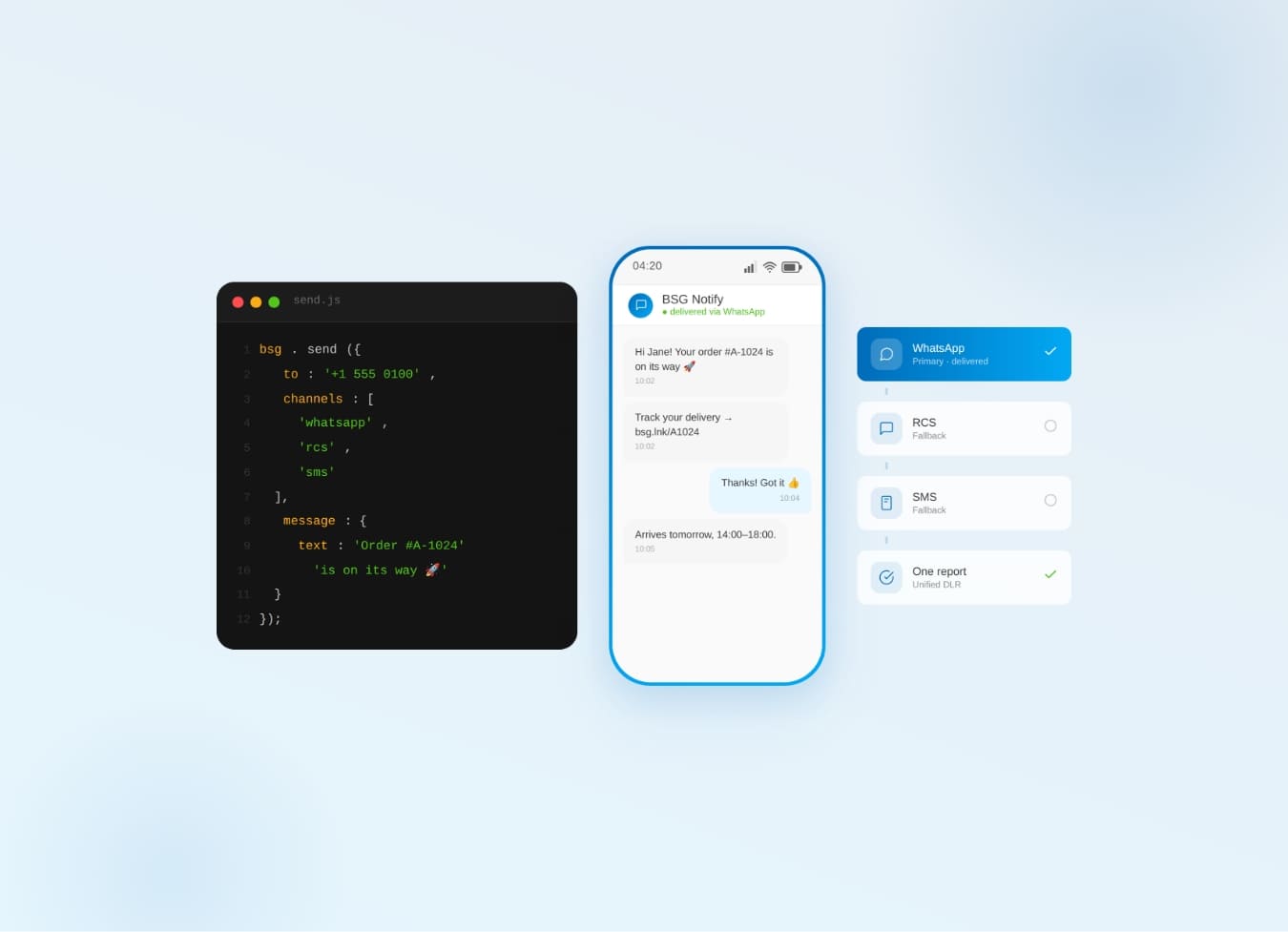
Why one communication API for SMS, WhatsApp, Viber & RCS beats five separate integrations — cascade fallback, unified reports.