





In the era of technological advancements, voice bots have become a game-changer in customer service. These AI-driven assistants offer real-time support, swift query resolutions, and seamless interactions, transforming the customer experience. However, with this innovation comes the responsibility of examining their use’s ethical implications.
In this article, we will examine their advantages while also addressing concerns related to privacy, impersonal interactions, and potential job displacement for human agents. BSG — a communication platform, as a voice bot provider, aim to ensure the ethical integration of voice bots into customer service operations.
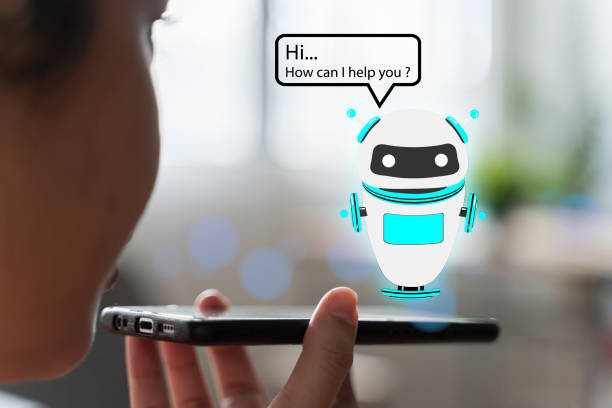
Understanding Voice Bots
Voice bots, also known as virtual assistants or chatbots, are software applications that have revolutionized customer service in businesses by simulating human conversation with their advanced speech recognition and natural language processing capabilities. Here are the main points to consider when it comes to voice bots:
- Voice bots offer 24/7 support to customers , which enhances customer satisfaction and enables businesses to cater to an international clientele regardless of their time zone.
- Voice bots handle repetitive and simple tasks , freeing human agents to manage more complex issues, thus increasing productivity and streamlining operations.
The cost-saving aspect allows businesses to strategically allocate resources, which in turn leads to improved service delivery to customers.
Implementation of Voice Bots in Various Industries
Voice bots have been adopted in various industries, significantly enhancing customer service experiences. Here are a few quick examples:
- Airlines: Major airlines have integrated voice bots into their customer service channels. This has facilitated travelers to easily check flight schedules, book tickets, and receive updates.
- E-commerce: Giants in the e-commerce industry have employed voice bots to handle customer inquiries, such as product availability, order tracking, and return policies, ensuring a seamless shopping experience.
- Banking: Financial institutions are now utilizing voice bots to offer instant support to customers. They aid in tasks like checking account balances, scheduling payments, and providing information about different financial products and services.
Ethical Dilemma in Business with Voice Bots:
The use of voice bots raises privacy concerns, as these systems collect and process sensitive customer data.
The interactions with voice bots may sometimes feel impersonal to customers who might prefer human assistance for more complex issues. This highlights an ethical dilemma: balancing technology advancements and the importance of maintaining empathy in customer service.
If you’re interested in exploring how to build your first voice bot , check another article by BSG.
Advantages of Voice Bots in Customer Service
Recently, the integration of voice bots into customer service operations has revolutionized the way businesses engage with their clientele. These intelligent AI-driven assistants offer a plethora of benefits that enhance efficiency, cost-effectiveness, and personalization in customer interactions.
#1 Improved Efficiency
One of the primary advantages of voice bots is their ability to handle a large volume of customer inquiries simultaneously. Unlike human agents, voice bots do not experience fatigue or require breaks, allowing them to provide 24/7 support without compromising performance. This improved efficiency leads to quicker response times, reduced wait periods, and a seamless customer experience.
#2 Cost-Effectiveness
Voice bots offer a cost-effective alternative to traditional customer service operations. By automating repetitive tasks and routine inquiries, businesses can significantly reduce their reliance on human agents for mundane tasks. This leads to substantial cost savings, as fewer resources are required to handle routine customer interactions, allowing companies to allocate their budget more strategically.
#3 Personalized Customer Experiences
Advanced AI algorithms empower voice bots to learn from past interactions and gather insights from customer data. As a result, they can offer personalized responses and recommendations tailored to individual preferences and needs. Customers feel valued when their concerns are addressed promptly and with accuracy, fostering loyalty and increasing overall satisfaction.
#4 Scalability
As businesses grow, so do their customer base and the demand for customer support. Voice bots can effortlessly scale to meet these increasing demands without compromising on the quality of service. Whether it’s handling a few or thousands of inquiries simultaneously, voice bots adapt seamlessly, ensuring a consistent experience for all customers.
Are you looking for a trusted vendor of voice bot solutions? Contact BSG — a voice bot and communication service provider for more details.
#5 Multilingual Support:
Voice bots are equipped with multilingual capabilities, breaking language barriers and enabling businesses to cater to a diverse global audience. This ensures that customers from different regions and language backgrounds receive the same level of support and service, further expanding a company’s reach and marketability.
#6 Real-Time Insights
Voice bots provide valuable real-time data and insights into customer behavior and preferences. Businesses can use this information to identify common pain points, trends, and customer satisfaction levels. These insights empower companies to make data-driven decisions, optimize their customer service strategies, and continuously improve their offerings.
#7 Reduced Workload for Human Agents:
By handling routine inquiries, voice bots free up human agents to focus on more complex and specialized tasks. This not only improves the overall quality of customer service but also boosts employee satisfaction, as agents can engage in more meaningful and challenging interactions.
As businesses continue to embrace these AI-powered assistants, the customer service landscape is poised to evolve further, creating a win-win situation for both companies and their valued customers.
Ethical Concerns Surrounding Voice Bots
As voice bots become increasingly prevalent in customer service, it is crucial to recognize and address the ethical considerations that arise with their integration. While these AI-driven assistants offer numerous advantages, there are ethical issues with AI surrounding the potential lack of human touch and empathy, biases, and discrimination, as well as privacy and data security issues.
Lack of Human Touch and Empathy
One of the main ethical concerns with voice bots is the absence of human emotions and empathy in customer interactions. Unlike human agents who can understand and respond to customers’ emotions, voice bots rely on pre-programmed responses and algorithms.
This may leave customers feeling unheard or emotionally disconnected, especially when dealing with complex or sensitive issues. The lack of human touch can lead to reduced customer satisfaction and a negative perception of the company’s commitment to its clientele.

Potential Biases and Discrimination
Voice bots operate on AI algorithms, which means they learn from data and interactions to improve their responses. However, if the training data used to develop these algorithms is biased, the voice bots may inadvertently perpetuate discriminatory behaviors.
For instance, biased language, cultural insensitivity, or gender-based assumptions could lead to unfair treatment of certain customer segments. Addressing and mitigating biases in AI systems is essential to ensuring fair and equal treatment for all customers.
Privacy and Data Security Issues
Voice bots collect and process sensitive customer data to deliver personalized interactions. However, this collection of personal information raises privacy concerns. Customers may be apprehensive about sharing sensitive details with AI systems due to potential data breaches or misuse of information. Ensuring robust data security measures and obtaining explicit consent for data usage becomes paramount to maintaining trust between customers and the company.
Ensuring Transparency and Consent
Ensuring transparency and obtaining informed consent from customers regarding the use of voice bots is another way to solve the ethical issue of AI.
Openly communicating the presence of voice bots at the beginning of customer interactions fosters trust and honesty. Customers appreciate knowing they are engaging with an AI-driven system, allowing them to manage their expectations accordingly.
Informed consent empowers customers to make choices about sharing their personal information with voice bots. When customers feel they have control over their data, they are more likely to feel respected and valued by the company. Additionally, explicit consent provides a legal basis for data collection, ensuring compliance with privacy regulations and protecting the customer’s rights.
By prioritizing transparency and informed consent, businesses can establish a foundation of trust with their customers.
Striking the Right Balance
Balancing automation with human interaction is key for optimal customer service. Voice bots bring efficiency and scalability, but human oversight is needed for complex or sensitive issues as AI and ethical issues are oftenly discussed.
Human agents provide a safety net against AI errors or biases, add emotional intelligence, and ensure creative adaptability in unique scenarios. They add a personal touch, create authentic customer connections, and can respond to subtle emotional cues.
Combining voice bots with human oversight allows businesses to maintain efficiency, empathy, and tailored solutions, leading to exceptional customer service and adaptability to changing needs.
Are you interested in creating your own voice bot with ease? Contact BSG — a voice bot and communication service provider for more details.
Responsible Implementation of Voice Bots
Responsible implementation of voice bots in customer service necessitates several key practices to ensure ethical, efficient, and customer-centric interactions.
Adhering to ethical guidelines and industry standards
Adhering to ethical guidelines and industry standards is essential to address potential biases and ethical issues in chatbot privacy. By incorporating responsible AI development principles, businesses can minimize risks and demonstrate their commitment to ethical practices.
Regular monitoring and auditing of voice bot performance
Another crucial touchpoint is regularly monitoring and auditing to identify and rectify any issues or inaccuracies. Ongoing assessments allow companies to fine-tune their voice bot systems, improving accuracy, and ensuring seamless interactions with customers.
Continuous improvement based on customer feedback
This is vital for optimizing voice bot performance. Actively seeking and incorporating customer input allows businesses to adapt to evolving needs and preferences. Customer feedback serves as a valuable source of insight, helping voice bots become more empathetic, efficient, and customer-focused.
By combining adherence to ethical guidelines, vigilant monitoring, and continuous improvement, businesses can ensure that voice bots become valuable allies in delivering exceptional customer service experiences. Responsible implementation not only enhances customer satisfaction but also builds trust, loyalty, and a positive brand reputation in the competitive market landscape.
The Future of Voice Bots in Customer Service
The future of voice bots in customer service is promising, with advancements in technology offering enhanced natural language processing and personalized interactions. However, ethical considerations must be addressed, including transparency, bias mitigation, and maintaining a clear distinction between AI and human agents.
Striking the right balance between automation and human oversight will be crucial for effective customer support. By embracing ethical principles, voice bots can become valuable assets in delivering exceptional customer experiences.

Conclusion
Voice bots represent a transformative force in the realm of customer service, offering improved efficiency, cost-effectiveness, and personalized experiences. By striking the right balance between automation and human interactions, businesses can harness the full potential of voice bots.Experience the power of cutting-edge voice bot technology firsthand with BSG’s Voice Bot Service . Our AI-driven solution is designed to enhance your customer interactions, providing real-time support and seamless experiences. With our commitment to transparency and ethical practices, you can trust that your. Try BSG’s voice bot service today and elevate your customer service to new heights.


Interested in a special offer?
Ready to reach further?
Let’s talk


Related articles

Voice bots, also known as voice assistants or chatbots with voice capabilities, have emerged as
Voice bot services are AI-powered tools that enable businesses to create interactive voice-based applications, also

It’s Black Friday, the day of the year when people plan to spend a fortune