




AI Hallucination
What is AI Hallucination?
When an AI model produces a confident answer that is factually wrong or fabricated, rather than admitting it does not know.
An AI hallucination is an answer that sounds plausible and confident but is factually incorrect or entirely made up. It happens because language models predict likely text, not verified truth — when a model lacks the right information, it can fill the gap with something that reads well but isn’t real. For a business chatbot, hallucination is the core risk: a bot that invents a refund policy or a delivery date erodes trust fast. The most effective defense is grounding the bot in trusted sources through Retrieval-Augmented Generation, so answers come from your actual content instead of the model’s guesses. A clear fallback also helps: a well-designed bot says “I’m not sure — here’s how to reach a human” rather than guessing. When evaluating any free or paid chatbot, ask how it grounds answers and what it does when it doesn’t know.
For real-world context, see BSG's Top AI Tools for Sales & Customer Support: BSG\'s Best Picks.
Related terms
- Knowledge Base
Related BSG products


Interested in a special offer?
Ready to reach further?
Let’s talk


Related Terms
Explore BSG Solutions
Useful Materials

Bulk SMS alone leaks budget. Verify the list, then run WhatsApp-first with SMS fallback.
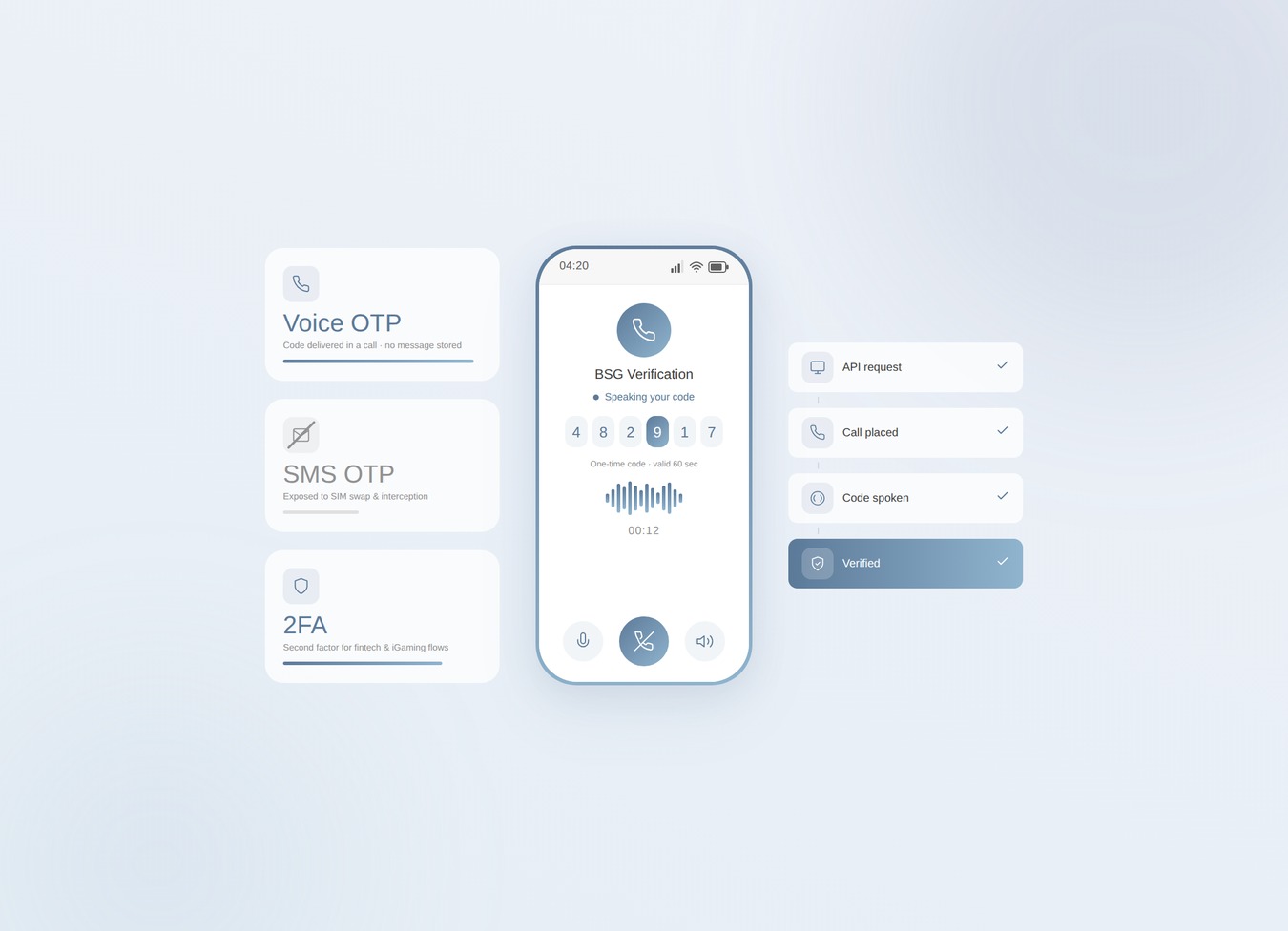
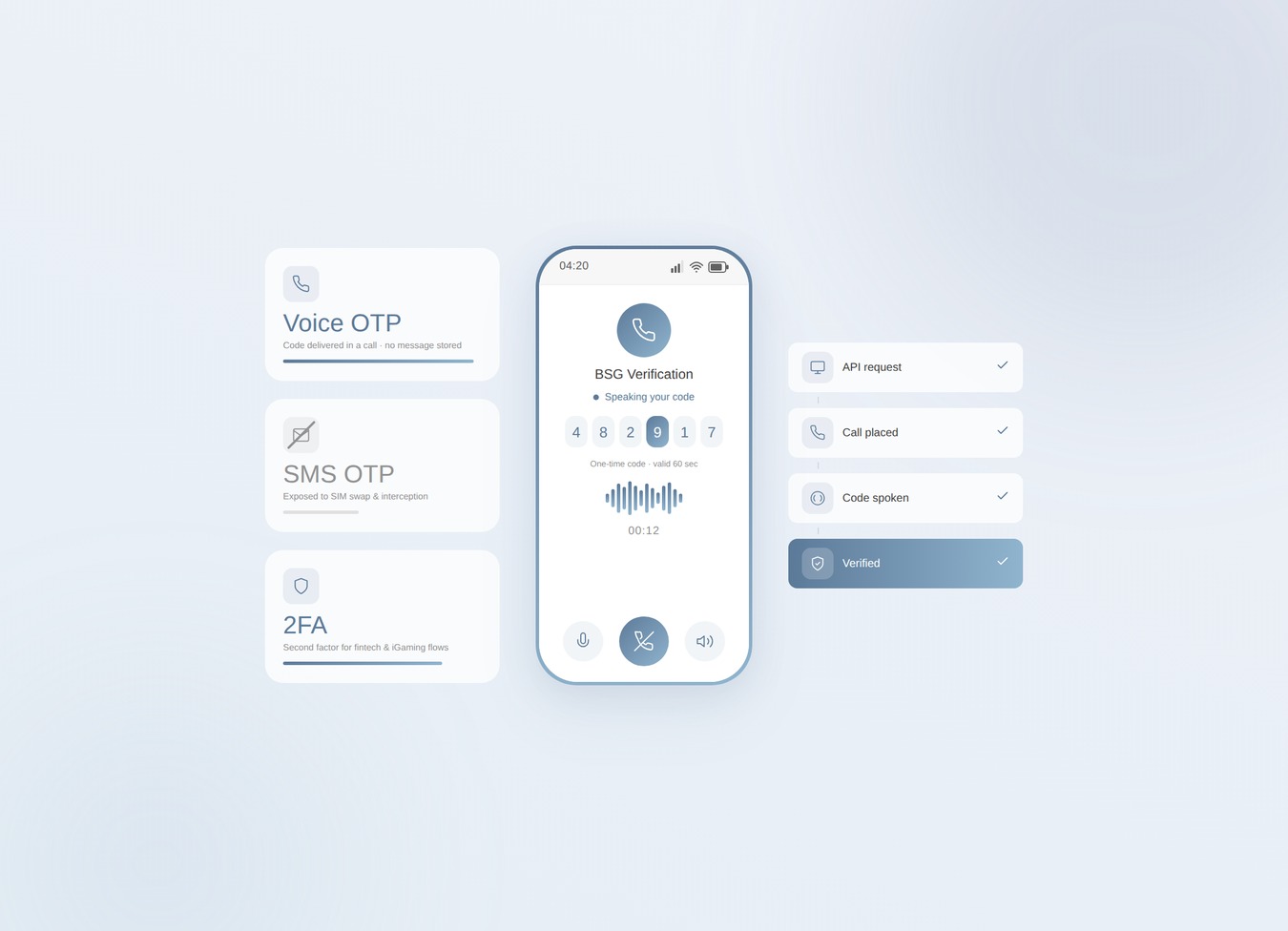
SIM swaps jumped 1,055% in a year. Voice OTP takes your riskiest codes off the SMS rail.
Telegram OTP is free — until it silently fails. Know the limits and when to add fallback.