




Text Marketing in eCommerce 2022: Post-COVID Syndrome for Business

Regardless of lockdowns, social distancing, and grounded socio-economic activities, the pandemic led to increased use of various cross-channel marketing solutions to reach customers. Consumers were left with no choice than to embrace online transactions and most businesses had to get innovative in their marketing and think outside the box.
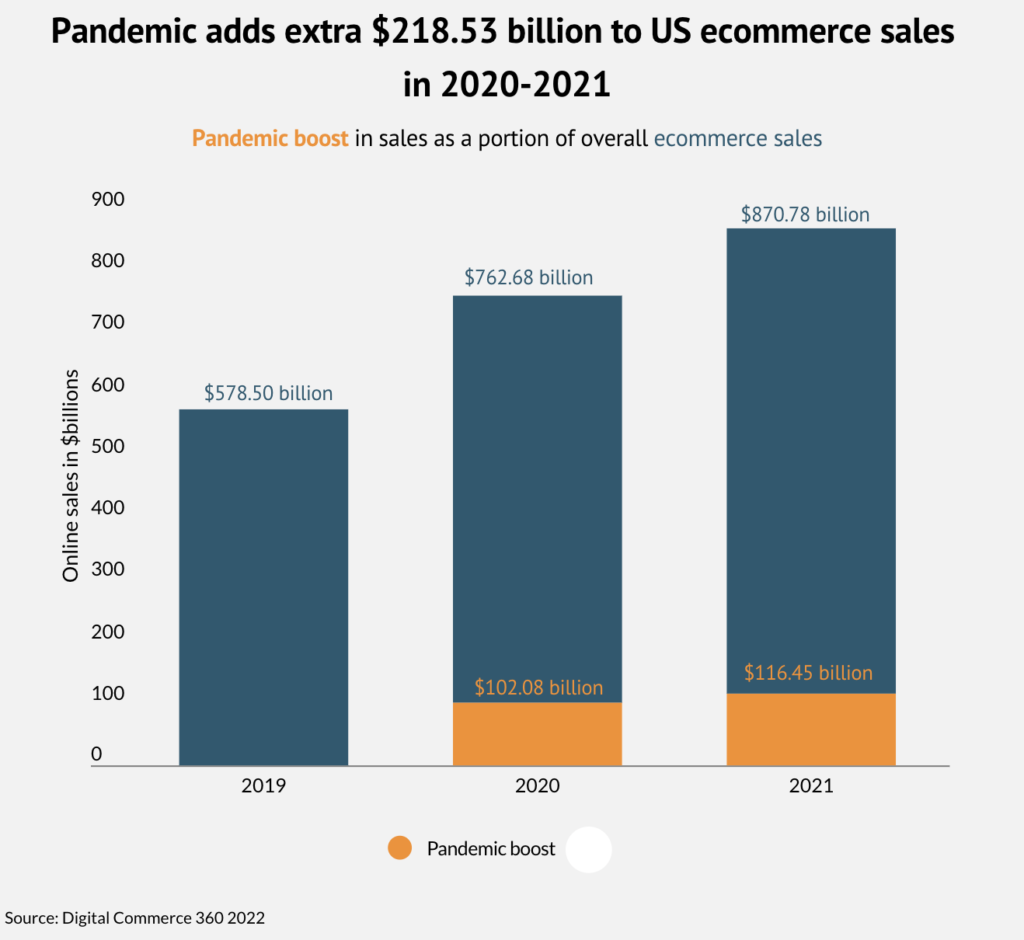
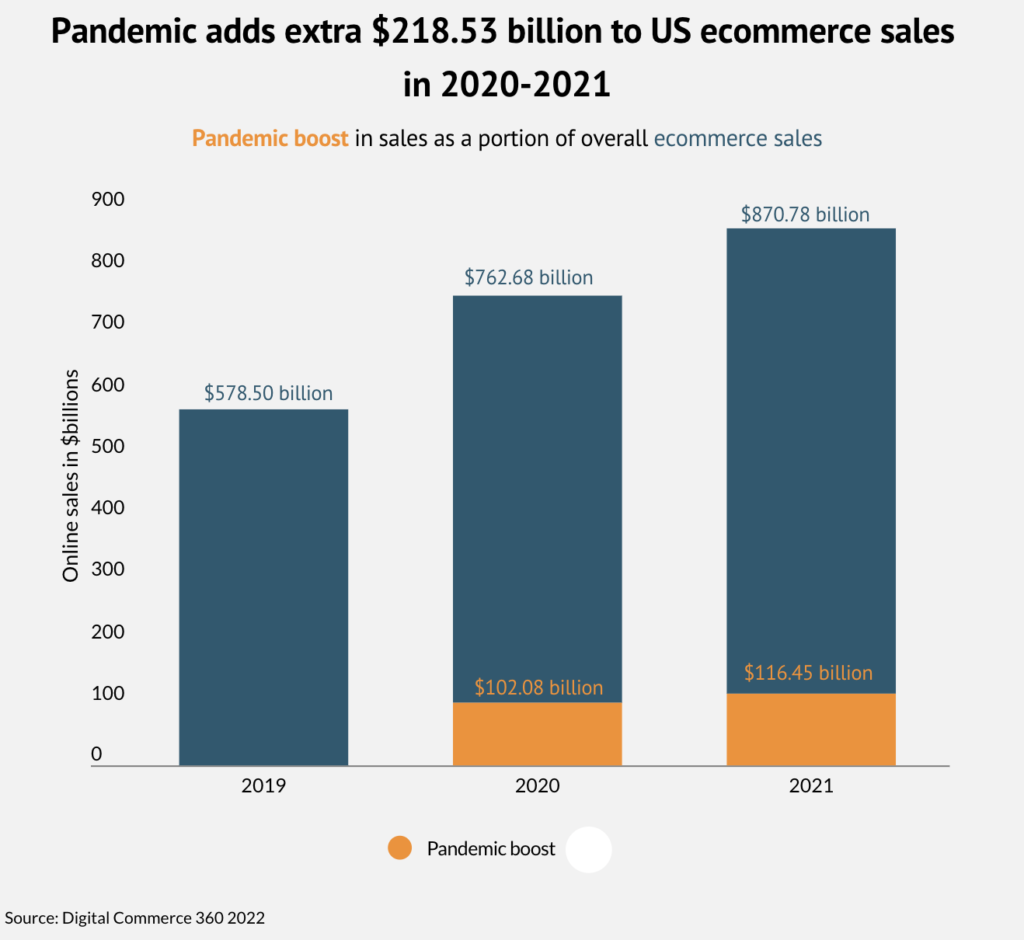
A United States government source published a whopping 43% growth rate for the industry in 2020 .
Though social media and email marketing were the norm, companies still wanted to cut through the noise and reach their customers in a more personalized way. Mass business texting enabled prompt and direct communication with customers on their cell phones.
A lot of companies still struggle with “post-Covid syndrome.” They’ve had to cut costs, lay off employees, and in the worst cases, close up shop. This article will look at the post pandemic SMS marketing trends and provide recommendations for how e-commerce businesses can best adapt to this new environment.
What is Post-COVID Syndrome for Business?
Post-COVID Syndrome for business refers to the challenges and adjustments businesses face in the aftermath of the pandemic. This is especially true for businesses that were unable to return to normal operations and generate pre-pandemic levels of revenue.
Post-COVID syndrome is an adopted term for patients who continue to experience coronavirus symptoms after the initial infection has cleared. But COVID’s effects on commerce include decreased foot traffic, widespread layoffs, remote work model, altering product offerings, and higher overhead expenses.
COVID-19 Text Marketing Statistics
COVID-19’s impact on SMS marketing performance has been positive. Text messages played a significant role in the online shopping growth many business brands experienced. Let’s look at how e-commerce changed during and after the pandemic.
Ecommerce During the COVID Pandemich
During COVID, SMS marketing for eCommerce businesses saw a boost from a few key metrics. Here are a few of them.
- Opt-ins and subscriptions
In 2022, over half of consumers (56%) are interested in receiving weekly business texts. 62% of customers say they have already signed up to receive text messages from businesses in 2020.
- SMS Adoption rate and spending
Because of the increasing number of people who opt in to receiving text messages, businesses are rapidly adopting this method of communication. 42% of companies with at least $1 million in annual revenue report using a text messaging service to reach out to clients. Plus, 57% say they intend to up their spending sometime in the near future.
About 38% of company heads say they employ text marketing to promote sales and draw customers to their online store. The sense of urgency conveyed by texting is particularly useful for time-sensitive promotions like flash sales and limited-time offers.
- Click-through and reply rates
The majority of SMS marketing users (43%) have reported click-through rates of 20%-35%. The findings are not unexpected, given that nearly 60% of consumers respond to a text message within 1-2 minutes,
With the end of the pandemic in sight, sms marketing is undoubtedly paying off big for online stores. But let’s take a step back and look at how we got here.
Ecommerce After the Pandemic
Post-covid, the momentum has slowed down for the ecommerce industry, but there are no signs of depreciation.
The biggest takeaway is the global ecommerce inclusiveness with developing nations adopting digital transactions.
The question now is how the industry can sustain continuous adoption and growth, especially in developing countries.
Some Popular Post-pandemic SMS Marketing Trends Include the Following:
- Increased focus on discounts and special offers
Retailers use text messages to send discounts and special offers to customers. This encourages customers to make a purchase and continue shopping with the retailer.
- Increased use of personalization
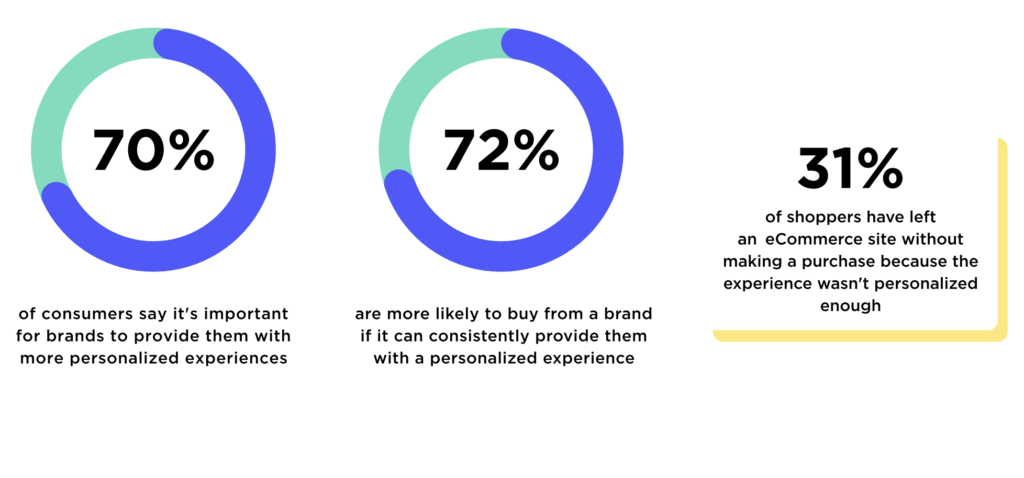
Using text marketing to send personalized messages to customers makes customers feel valued.
- Increased use of SMS promotions to drive online sales
The retail e-commerce industry is using text message marketing to drive traffic to their websites. This strategy is leading to increased online sales.
How Has Consumer Behavior Changed in a Post-Covid World?
The outbreak of Covid-19 has had a significant impact on consumer behavior toward online shopping. In the short term, consumers have become much more focused on health and safety. Many consumers are changing their shopping habits to avoid contact with others. People are becoming more cautious about spending money on non-essential items. This could lead to a decline in sales of luxury goods. However, the demand for products that are seen as essential is increasing.
Overall, the pandemic is likely to have a lasting impact on online shopping behavior. Many people are becoming more health-conscious and more selective about their spending.
Emerging Consumer Trends and Buying Habits in the Post-COVID-19 Era
Here are the tendencies that will shape user behavior in the aftermath of a pandemic.
1. The rise of online grocery shopping and delivery services.
2. A desire for sustainable and environmentally-friendly products.
3. Preference for value over luxury goods.
4. Preference for convenience and simplicity while shopping.
5. Preference for a personalized e-shopping experience.
How to Successfully Build Your SMS Marketing Strategy to Align it With Post-Covid Buying Behavior
67% of consumers admit their e-shopping has increased since the pandemic began. However, consumers now spend less on non-essential items and more on necessity-based purchases. This shift in spending behavior has implications for businesses and their text message marketing strategies.
You need to align your SMS promotion strategy with post-Covid buying patterns. Consider the following tips to sustain the increasing online shopping trend:
- Keep your messages focused on necessity-based products and services.
- Offer discounts and coupons that encourage customers to make necessary purchases.
- Use text messages to share information about new product arrivals and inventory levels.
- Use SMS to update customers about changes to your business hours or policies.
- Use SMS to create a sense of urgency around clearance items or limited-time offers.
These tips ensure your SMS marketing strategy aligns with the new reality of post-Covid buying behavior.
Summary
SMS marketing is a great tool for businesses to reach and engage customers. However, to build a successful SMS promotion strategy, understanding consumer shopping behavior today is vital. You must make several adjustments to rise above Covid-induced changes in the marketplace.Need help? BSG is here to assist you in improving the efficiency of your e-commerce digital strategy. And you can get started with our mass Viber messaging solution.


Interested in a special offer?
Ready to reach further?
Let’s talk


Related articles
Fraud and data theft continue troubling online services, costing them huge losses. The estimated cybercrimes

The real estate agent does more than just sell a property. They’re about marketing, salesmanship,

The iGaming industry can be envisioned as a giant, never-stopping mechanism of lead generation with