




Two-Factor Authentication and Compliance: How It Helps Meet Regulatory Standards

In the last two decades, the risks of cybersecurity breaches have surged akin to an avalanche. With an increasing reliance on modern technology and a burgeoning number of domestic and international enterprises integrating digital tools and web-based applications, the susceptibility to cyberattacks has multiplied.
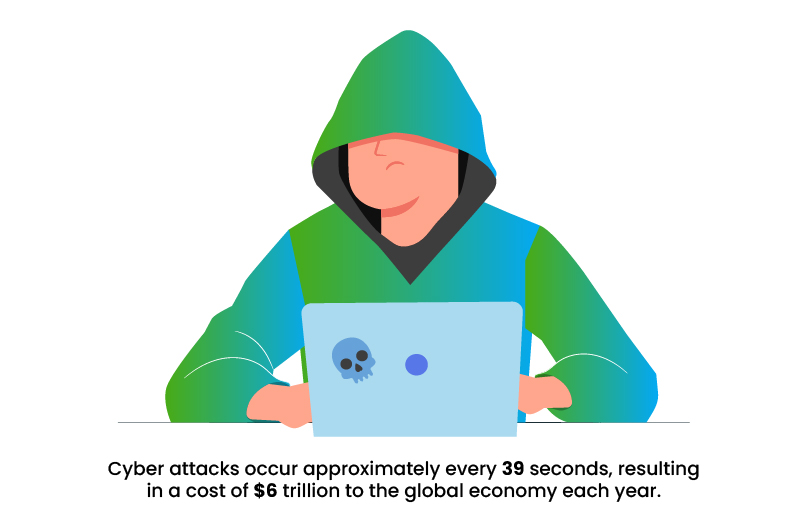
In fact, cyberattacks occur approximately every 39 seconds , resulting in a cost of $6 trillion to the global economy each year. The 2FA service is among the most trustworthy ways to protect the user’s accounts from stealing passwords and meet regulatory compliance.
Regulatory Standards and Compliance
Major regulatory standards such as GDPR, HIPAA, and PCI DSS are crucial in every area of business, impacting how companies manage sensitive information. Let’s look more closely at these criteria and the consequences that firms face when they don’t use 2FA compliance to meet them.
- General Data Protection Regulation (GDPR) . The General Data Protection Regulation (GDPR) was enacted in 2018 by the European Union and ensures that people may exercise choice over what is done with their personal data and compels organizations to keep that data secure and private. Large penalties and irreparable harm to one’s reputation may result from failure to comply.
- Health Insurance Portability and Accountability Act (HIPAA) . The Health Insurance Portability and Accountability Act (HIPAA) regulates the privacy and security of patient data in the United States. HIPAA has strict regulations that must be followed by healthcare professionals, insurance companies, and anyone else with access to patient information. The healthcare business risks losing patients’ trust and revenue if these regulations aren’t followed.
- Payment Card Industry Data Security Standard (PCI DSS) . Credit card data is protected by the Payment Card Industry Data Security Standard (PCI DSS). A company’s adherence to PCI DSS is mandatory if it handles, saves, or transmits credit card information. If you don’t follow the rules, you can have to pay fines or, even worse, lose the ability to accept credit card payments.
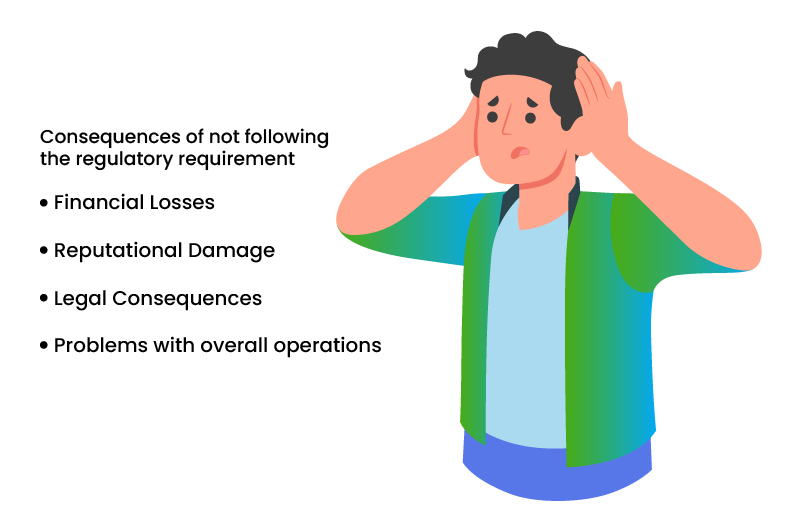
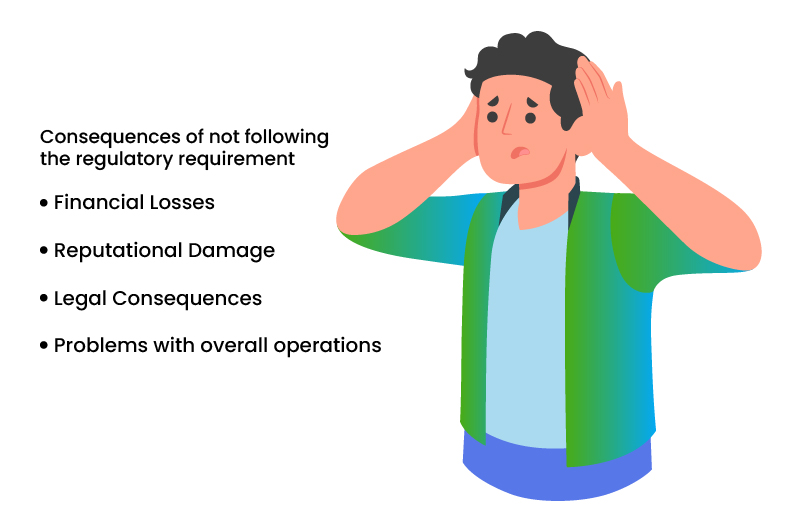
The consequences of not following the regulatory requirement can come out to be very harmful for the business in many ways:
- Financial Effects . Non-compliance with these regulatory standards can result in steep fines, potentially crippling small and medium-sized businesses. GDPR penalties, for instance, might amount to as much as 4% of a company’s worldwide revenue if violated.
- Reputational Damage . Loss of trust from customers due to a breach of these norms might be difficult to regain. Customers care about the security of their data since a breach can make them reluctant to do business with a firm again.
- Legal Consequences . Noncompliance can result in a variety of legal issues, including fines, punishments, and, in the most extreme situations, criminal prosecution.
- Problems with overall operations . Companies may have to temporarily suspend some operations in order to comply, which might interrupt normal business.
Regulatory standards like GDPR, HIPAA, and PCI DSS are not merely bureaucratic hurdles but essential frameworks guiding responsible business practices. The costs of noncompliance to an organization’s finances, reputation, legal standing, and operations are simply too high to justify the risk. To safeguard themselves companies often take advantage of MFA compliance.
Looking to offer your customers unparalleled protection while aligning with all regulatory compliance standards? Reach out to BSG World today, and experience top-tier 2FA services featuring convenient integration via API.
How Two-Factor Authentication Supports Regulatory Compliance
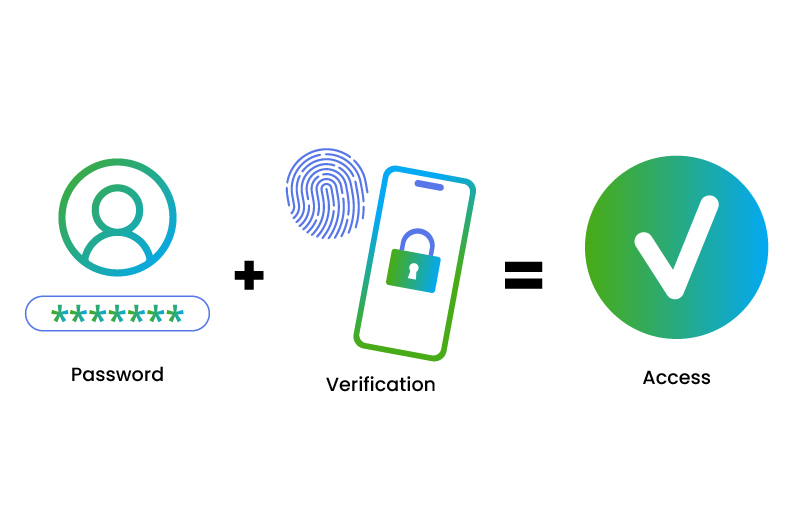
Meeting compliance with authentication is a security process that aligns with various regulatory requirements, ensuring that information remains confidential and secure. This method requires users to provide two distinct forms of identification before accessing sensitive data, making it an essential component of modern cybersecurity compliance frameworks. Let’s take a look at some major examples where 2FA can be of use:
- HIPAA Compliance (Healthcare Industry) . A large hospital network implemented compliance 2-factor authentication to protect patients’ Electronic Health Records (EHRs). By requiring both a password and a mobile authentication token, they successfully reduced unauthorized access by 60%. This practice aligned them with the HIPPA 2FA compliance requirements , which demand robust authentication methods to protect patient information.
- GDPR (European Union). International e-commerce companies adopted 2FA to safeguard customer data, as part of their adherence to the General Data Protection Regulation. By using 2FA, they not only enhanced their security but also demonstrated compliance with GDPR’s stringent privacy requirements.
- SOX (Financial Services). A major financial institution in the U.S. introduced 2FA to meet the Sarbanes-Oxley Act requirements. They leveraged 2FA for controlling access to financial records, ensuring only authorized personnel could access critical financial data. The implementation led to successful audits and demonstrated strong alignment with regulatory requirements.
The members perfectly depict the importance of 2FA in the tech industry as the 2FA is expected to increase by 17.28% and gain USD 44.05 billion by 2030, indicating its importance in not only countering increased risk in cybersecurity, but helping companies to meet the legal state standards.
Advantages of Two-Factor Authentication for Compliance
There is no secret that many states, along with business leaders, have recognized 2FA as a crucial best practice for maintaining compliance. Here’s how the benefits and challenges break down:
- Enhanced Protection Against Data Breaches and Unauthorized Access. 2FA’s robust design can block 100% of automated bots. By requiring two separate authentication methods, bots trying to breach systems are effectively stopped in their tracks, adding a vital layer of security.
- Mitigation of Identity Theft and Fraud Risks . With the ability to thwart 96% of phishing attacks and 76% of targeted attacks, 2FA proves to be a strong defense against various cyber threats. Even if an attacker acquires a user’s password, they would need the second form of identification, making phishing attempts or targeted breaches significantly more difficult.
- Strengthening Customer Trust and Reputation Through Regulatory Compliance. These impressive statistics bolster customer confidence, knowing that the company is employing advanced security measures. 2FA ensures alignment with regulatory requirements, enhancing brand reputation.
- Regulatory Alignment. Compliance with legal standards like HIPAA and GDPR is facilitated by 2FA, reflecting a commitment to industry best practices and enhancing standing among peers and customers.
2FA provides powerful benefits in mitigating cybersecurity risks for large businesses, which you may discover from other our blog post.
Want to provide your customers with the highest level of protection, while meeting all the regulatory standards? Contact BSG World today and get the best of 2FA service with two ways of code delivery!
Overcoming Challenges and Pitfalls
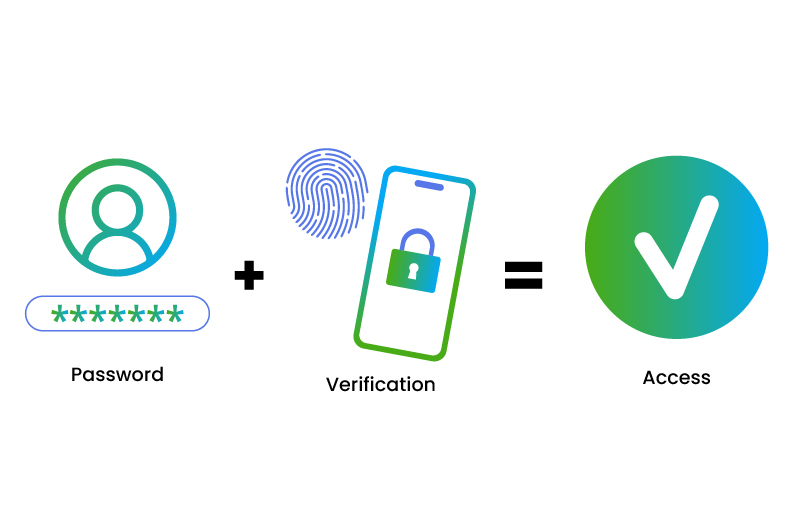
Implementing 2FA is a critical step towards enhancing security, but it comes with its own set of challenges and pitfalls. However, with careful planning and execution, these challenges can be overcome, ensuring a seamless transition.
- User Inconvenience. 2FA requires an extra step during the login process, which can sometimes be perceived as an inconvenience by users. Thus it is critical to educate users about the importance of 2FA in protecting their data, while choosing user-friendly 2FA methods, like authenticator apps or biometrics, that balance security with convenience.
- Account Lockout Risk. As mentioned earlier, 2FA can increase the chances of account lockout due to a lack of access to the phone or second email address used in the authentication process. Some strategies to overcome this issue include the implementation of backup recovery options, such as security questions or alternative contact methods, and providing clear instructions and support for users who may need to recover their accounts.
- Integration Challenges. Integrating 2FA into existing systems can be complex, particularly in legacy systems that were not designed with 2FA in mind. Collaborating with experienced security professionals who understand the deepest nuances of integrating 2FA. And one more tip is to conduct testing the integration in a controlled environment before full deployment to ensure a smooth transition.
- Cost Considerations. Security can be expensive. Implementing 2FA may require investment in new technologies, training, and support, which can be a barrier for some organizations. Therefore, make sure to conduct a cost-benefit analysis to understand the long-term value of enhanced security through 2FA.
Two-Factor Authentication is an essential tool in the cybersecurity landscape, offering powerful protections against various threats even with a number of challenges that may appear along the way of implementing technology. This proactive approach not only safeguards valuable data and complies with regulatory mandates but also fosters trust and confidence among users and stakeholders.
Choosing the Right Two-Factor Authentication Solution
It’s not that easy to create your own two-factor authentication solution, and thus many companies turn to professional 2FA service providers to cover their needs. Therefore, it is essential to choose the provider that suits you best.
BSG communication platform is an experienced 2FA service provider. Our solution protects your databases, significantly reduces the risk of hackers accessing online accounts, and shields your customers’ data from phishing attacks. With BSG, add an extra layer of security to your business. Explore the unique features we have to offer to you:
- Convenient Integration via API. Streamline your setup process.
- Methods of Code Delivery. SMS and Viber options for flexible authentication.
- Ability to Re-send the Code. Ensures seamless user experience.
- Statistics of Completed Authentications. Track and analyze your security performance.
Here is how your client will authenticate in their accounts if you have 2FA by BSG integrated.
- The user enters the site and enters login and password
- The system sends the user a request to perform two-factor authentication using SMS or Viber
- The user receives a message with a code
- The system checks the entered code and grants access to the user
Secure your customer data, build a trusted business, and ensure complete protection against account takeovers, fraudulent transactions, and account hijacking.
Explore the robust features of the 2FA solution by BSG today and take the first step in fortifying your business’s security with BSG!
Future Trends in Two-Factor Authentication and Compliance
Two-Factor Authentication (2FA) is rapidly becoming a cornerstone in cybersecurity, offering a robust defense against data breaches and unauthorized access. Its alignment with regulatory standards like GDPR, HIPAA, and PCI DSS enhances its relevance in today’s digital landscape. In the future, industries such as healthcare, e-commerce, financial services, and more will likely leverage 2FA to ensure compliance with legal requirements and to safeguard sensitive information.
By integrating 2FA security measure by BSG — global communication platform, businesses from all over the world can enhance account protection while building trust and confidence among users.


Interested in a special offer?
Ready to reach further?
Let’s talk


Related articles
In light of businesses looking for fresh and catchy ways to communicate with clients, the
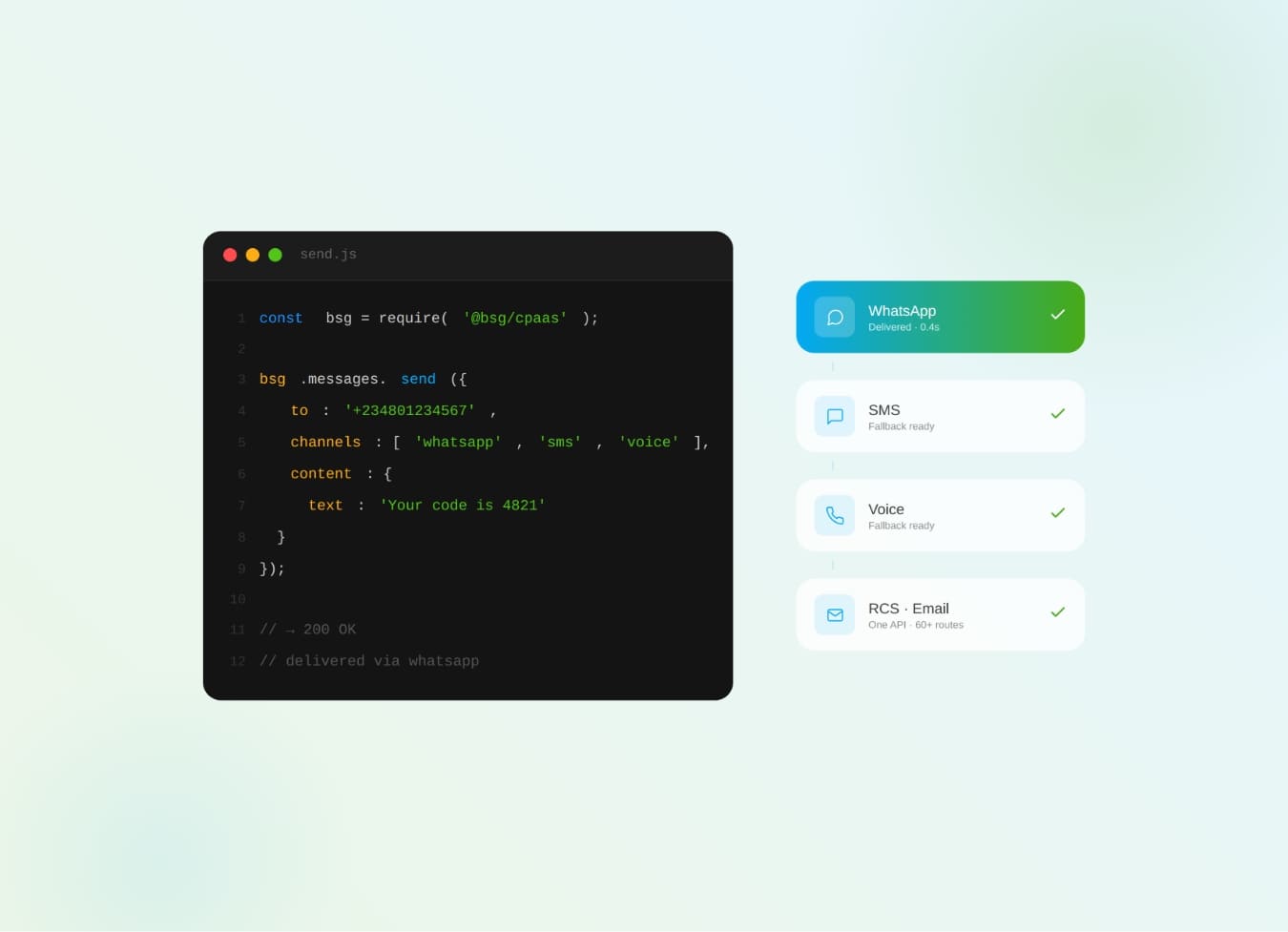
What is CPaaS? The cloud API layer that adds SMS, WhatsApp, voice & OTP to your apps — how it works and why it beats a multi-vendor stack.

According to Google’s data from 2023, there are over one billion monthly active users with