





The emergence of voicebot technology has sparked a transformative shift in how we interact with machines and information. This guide unveils a comprehensive exploration of voicebot use cases, delving into the multifaceted ways this technology is reshaping industries and user experiences.
From revolutionizing customer service interactions to enabling hands-free accessibility, the potential applications of voice bots span across domains like healthcare, e-commerce, automotive, entertainment, and beyond.
Whether you’re a technology enthusiast, a business leader, or simply curious about the future, prepare to embark on a journey through the myriad possibilities that voicebot use cases bring to the forefront of innovation.
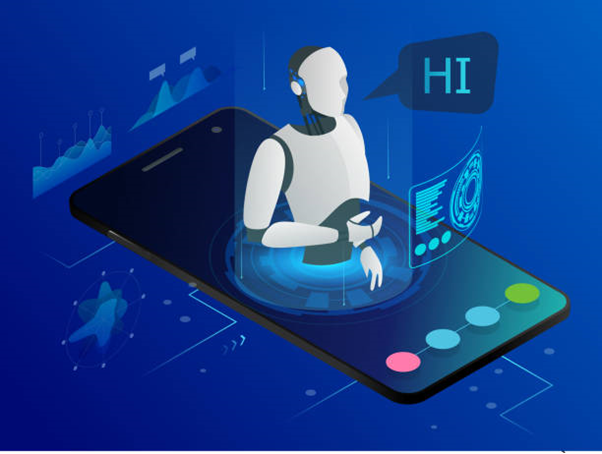
What Is A Voicebot?
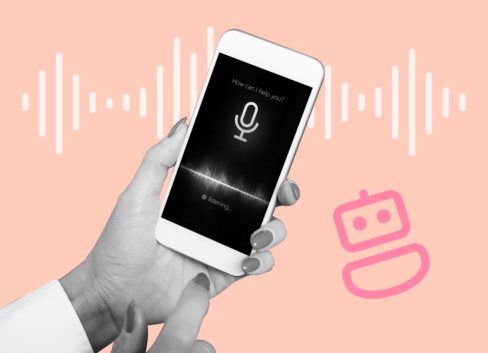
A voicebot is an advanced technology that utilizes natural language processing (NLP) and artificial intelligence (AI) to enable human-like spoken interactions between users and machines. Also known as voice assistants or virtual assistants, voice bots can understand and respond to voice commands, allowing users to perform tasks, gather information, and receive services through spoken conversation.
Voice chat can be used on various devices, such as smartphones, smart speakers, and even automobiles, making them accessible and versatile across different contexts. Voice bots are designed to comprehend nuances in language, adapt to user preferences, and continuously learn from interactions, enhancing their ability to provide accurate and personalized responses. As a result, voicebots have found applications in diverse sectors, including customer service, healthcare, home automation, and entertainment, fundamentally transforming the way humans engage with technology. If you would like to learn how to use a voice bot, you can read our beginner’s guide to voice bot here.
Types Of Voice Bot
Voicebots come in various types, each tailored to specific functions and contexts. Here are some of them.
Task-Oriented Voicebots.
- Execute specific commands or tasks.
- Set reminders, provide weather updates, order products, etc.
Conversational Voicebots.
- Engage users in complex interactions.
- Simulate human-like conversations for customer support, information retrieval, etc.
Social Voicebots.
- Integrate with social media platforms.
- Enable voice-based posting and interaction with networks.
IoT Voicebots.
- Control smart devices through voice prompts.
- Facilitate home automation and device management.
Entertainment Voicebots.
- Offer interactive experiences like trivia games, storytelling, etc.
- Enhance user engagement and entertainment.
Multilingual Voicebots.
- Bridge language barriers by understanding and responding in multiple languages.
- Cater to a diverse global audience.
Voice Commerce Bots.
- Facilitate voice-based shopping and transactions.
- Enable users to make purchases and complete transactions through voice commands.
As technology evolves, these categories of voicebots continue to advance, adapting to user needs and revolutionizing interactions across various industries.
Why Are Businesses Opting For Voicebot?
Businesses are increasingly adopting the voice bot service due to their transformative impact on customer interactions, operational efficiency, and market competitiveness. The allure of voicebots lies in their ability to provide seamless, personalized, and round-the-clock customer support, enhancing user experiences while reducing the workload on human agents. By leveraging natural language processing and AI, voice bots can understand customer queries, offer relevant solutions, and even guide users through troubleshooting processes, leading to quicker problem resolution.
Moreover, the cost-effectiveness of implementing voicebots is a compelling factor. Businesses can allocate resources strategically by automating routine inquiries, allowing human agents to focus on more complex tasks requiring human empathy and creativity. This efficiency translates into lower operational costs and improved resource allocation.
Voicebots also cater to the evolving consumer preferences for hands-free and convenient interactions. With the proliferation of smart devices like smartphones, smart speakers, and wearable tech, users are increasingly seeking frictionless ways to access information and services. Voice bots fulfill this need by enabling users to simply speak their requests, simplifying the user journey, and enhancing brand engagement.
Furthermore, businesses are recognizing the potential for data collection and insights. Voicebot interactions generate valuable data about user preferences, pain points, and trends, which can inform business strategies, product improvements, and marketing campaigns. This data-driven approach allows companies to make informed decisions that resonate with their target audiences.
In essence, businesses opt for voice bots to revolutionize customer engagement, streamline operations, embrace emerging technological trends, and gain a competitive edge in an increasingly dynamic and digitally driven marketplace.
Use Cases. Where Are Voicebots Used?
Voice bots have found diverse and impactful applications across various industries, reshaping user experiences and operational efficiency. Some prominent use cases of voice bots include.
- Customer Service and Support. Companies like Amazon use voice bots in their customer service helplines to handle inquiries and provide quick assistance.
- Healthcare. Hospitals employ voice bots for appointment scheduling, prescription refills, and basic medical information inquiries.
- E-Commerce. Retailers integrate voice bots to help customers find products, track orders, and provide personalized recommendations, as seen with eBay’s shopping assistant.
- Banking and Finance. Banks utilize voice bots for balance inquiries, transaction history, and even fund transfers, enhancing customer convenience.
- Hospitality. Hotels employ voice bots as virtual concierges to handle guest requests for room service, housekeeping, and local recommendations.
- Automotive. Car manufacturers like BMW incorporate voice bots for hands-free control of in-car systems, navigation, and entertainment.
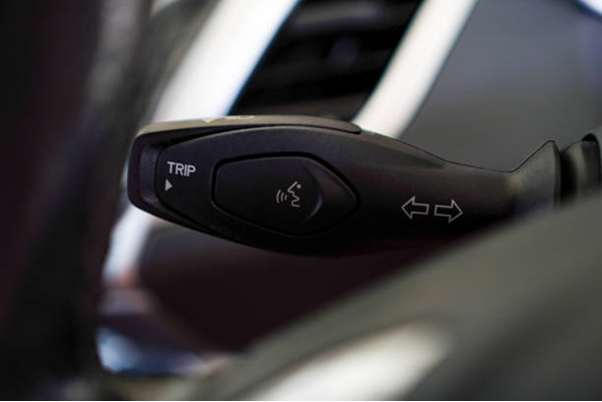
- Entertainment. Media companies integrate voice bots into streaming platforms, allowing users to search for content, play music, and control playback.
- Education. Educational institutions deploy voice bots for language learning, tutoring, and answering student queries.
- Smart Homes. Smart speakers like Amazon Echo and Google Home act as control hubs for home automation, enabling voice-controlled lights, thermostats, and appliances.
- Travel and Tourism. Travel agencies use voicebots to assist with bookings, provide destination information, and suggest itineraries.
The ubiquity of voice-enabled devices and the versatility of voice bots continue to unlock new use cases, shaping industries from healthcare to entertainment. These examples demonstrate how voice bots enhance efficiency, accessibility, and user engagement across various sectors.
How Are Industries Using Voicebot?
Industries are leveraging voicebots to redefine processes, enhance customer experiences, and stay at the forefront of technological innovation.
In Healthcare, voicebots aid in appointment scheduling, medication reminders, and answering medical queries, offering patients greater accessibility to information and care.
Retail and E-Commerce integrate voice bots for personalized shopping experiences, helping customers find products, track orders, and receive tailored recommendations, ultimately boosting sales and customer engagement.
Banking and Finance sectors deploy voice bots for balance inquiries, transaction history, and fund transfers, streamlining financial interactions and reducing the need for manual assistance.
Automotive companies incorporate voice for hands-free control of navigation, entertainment, and vehicle systems, contributing to safer and more convenient driving experiences.
The Smart Home industry benefits from voice bots as control centers for home automation, allowing users to manage lights, thermostats, and appliances with voice commands.
Industries across the board are harnessing voicebot technology to optimize processes, elevate customer satisfaction, and capitalize on the growing trend of voice-driven interactions.
How Does Voicebot Work?
Voicebots operate through a combination of natural language processing (NLP) and AI technologies, enabling them to understand and respond to human voice commands. Here’s a breakdown of how voicebots work.
Speech Recognition. Voicebots begin by converting spoken words into text through speech recognition technology. This involves analyzing the audio input and identifying individual words and phrases.
Natural Language Processing (NLP). The converted text is then processed using NLP algorithms. NLP enables the voicebot to understand the context, intent, and meaning behind the words spoken. It identifies keywords, sentence structure, and linguistic nuances to interpret the user’s request accurately.
Intent Recognition. Voicebots use AI models to recognize the user’s intent. This involves matching the processed text with predefined patterns or categories to determine what action the user wants to perform. For example, a user might ask for the weather, which the voicebot recognizes as an intent to fetch weather information. You can read more about training your voice bot on intent on our blog .
Response Generation. Once the user’s intent is identified, the voicebot generates a relevant response. This could involve retrieving information from a database, accessing external APIs, or using pre-scripted responses.
Text-to-Speech Conversion. After generating the response, the voicebot uses text-to-speech technology to convert the text into spoken words. This allows the voicebot to communicate with the user audibly.
User Interaction and Learning. Voicebots are designed to engage in back-and-forth interactions with users. They can ask clarifying questions to better understand user requests or prompt users for additional information. Over time, voicebots learn from these interactions, improving their accuracy and ability to handle a wider range of queries.
Integration with Platforms. Voicebots can be integrated into various platforms such as mobile apps, websites, smart speakers, and other devices. They interact with users through these platforms, creating seamless and intuitive voice-driven experiences.
Continuous Learning and Improvement. Voicebots often employ machine learning techniques, allowing them to continuously learn from new interactions. This helps them adapt to changes in language, user behavior, and emerging trends, enhancing their effectiveness over time.
In essence, voice bots combine cutting-edge technologies to understand, interpret, and respond to human speech, providing users with efficient and engaging interactions across a wide range of applications and industries.
What Features To Look For In A Voicebot?
When evaluating a voicebot, key features to consider include.
1. Accurate Speech Recognition. Look for a voicebot with robust speech recognition capabilities to ensure it accurately transcribes spoken words into text.
2. Customizable Responses. Opt for a voice bot that allows customization of responses to align with your brand’s tone and style.
3. Multilingual Support. If needed, select a voicebot capable of understanding and responding in multiple languages to cater to diverse audiences.
4. Integration Capabilities. Ensure the voicebot can seamlessly integrate with your desired platforms, such as websites, apps, or devices, for a unified user experience.
5. Learning and Adaptation. A voicebot that learns from interactions and adapts to user preferences over time can provide increasingly personalized responses.
6. Context Retention. Look for a feature that allows the voice bot to retain context during longer conversations, enhancing the flow of interactions.
7. Security and Privacy Measures. Prioritize a voicebot that adheres to stringent security and privacy standards, safeguarding user data.
8. Analytics and Insights. A voicebot offering analytics and insights can provide valuable data on user behavior and preferences, aiding in optimization.
9. Scalability. Consider a solution that can handle varying levels of user interactions and scale as your user base grows.
Selecting a voicebot with these features can contribute to a more engaging, efficient, and user-centered interaction experience.
What Are The Benefits Of Voicebot To Businesses And Customers?
Voice bots offer a host of benefits to both businesses and customers. For businesses, voicebots:
Enhance Customer Support. Provide 24/7 assistance, reducing response times and improving customer satisfaction.
Cost Efficiency. Automate routine queries, freeing up human agents for more complex tasks, thereby reducing operational costs.
Personalization. Utilize AI to offer tailored recommendations and responses, creating more personalized customer experiences.
Scalability. Handle large volumes of inquiries simultaneously, ensuring consistent service during peak periods.
Data Insights. Gather valuable user data from interactions, aiding in refining products, services, and marketing strategies.
For customers:
Convenience. Access information and services through natural voice commands, without the need for typing or navigating interfaces.
Instant Assistance. Obtain quick answers and support, enhancing user satisfaction and reducing frustration.
Accessibility. Enable hands-free interactions, benefiting users with mobility issues or those engaged in other activities.
Consistency. Receive consistent responses and service quality, regardless of time or agent availability.
User-Friendly. Enjoy intuitive interactions, making technology more accessible to a wider range of users.
These advantages collectively contribute to improved customer engagement, operational efficiency, and competitive advantage for businesses, while empowering customers with seamless, efficient, and user-centric experiences.
Conclusion
The integration of voicebot technology has emerged as a game-changer, revolutionizing the way businesses engage with their customers and streamline their operations.
The benefits, from enhanced customer support and cost efficiency to personalization and scalability, underscore the pivotal role that voicebots play in delivering exceptional user experiences.
As businesses seek to stay ahead in this dynamic environment, the choice of a reliable and advanced voicebot service becomes crucial. That’s where BSG’s voice bot service shines. With its cutting-edge features such as accurate speech recognition, powerful NLP capabilities, customizable responses, and robust security measures, BSG offers the ideal solution for businesses aiming to harness the full potential of voicebot technology.
Elevate your customer interactions, optimize operations, and stand out in the market with BSG’s voice bot service – the epitome of innovation and excellence in the realm of voice-driven solutions. Reach out today to embark on a journey of transformative growth and engagement.


Interested in a special offer?
Ready to reach further?
Let’s talk


Related articles
As we already know, SMS advertising content may only be sent based on the recipient’s
Voice bots have ushered in a new era of customer support and internet marketing. Indeed,

It’s Black Friday, the day of the year when people plan to spend a fortune