
BSG utilizes HTTP cookies (and similar or complementary technologies) to 1) make this website safe, functional, and accessible (through the use of mandatory cookies) and 2) understand how you use our website (through the use of optional cookies) in order to improve your experience and to provide you with personalized content.

The information in the cookie text files may be related to your personal preferences or your device and is intended to make the site operate according to your expectations. The information contained in cookies does not usually identify your identity directly but is helpful in providing you with a more personalized user experience.

In accordance with the requirements of the General Data Protection Regulation (GDPR) privacy and security law that governs how the personal data of individuals in the EU may be processed and transferred, we provide you the possibility to prohibit the use of certain types of cookies when you use our website.

Read our Cookie Notice and the Privacy Policy for detailed information on how BGS collects and uses cookies. Please note that prohibiting the use of certain types of cookies may affect your interaction with the website and limit the accessibility of services we offer you. Choose the appropriate category below to learn more and to disable cookies.

Accept All cookies*
*Recommended for comfortable use of the site
Accept only necessary cookies
Accept only selected cookies
Necessary cookies
Social media
Analytics
Marketing

Artificially Inflated Traffic (AIT)

What is artificially inflated traffic (AIT)?

Artificially inflated traffic (AIT) is a type of SMS fraud in which bots generate fake message requests, usually one-time passwords, to numbers that fraudsters control or profit from.

How does AIT affect businesses?

Artificially inflated traffic, also known as SMS pumping, targets forms that send messages automatically: sign-up, login and password reset. Bots submit large volumes of phone numbers, the business sends a code to each one, and the fraudsters earn a share of the termination fees the business pays.

The damage is financial and operational. Messaging bills spike without any growth in real users, verification budgets drain, and analytics fill with fake sessions. Because every request looks like a legitimate OTP, AIT is hard to spot from the application side alone.

Businesses limit exposure by rate-limiting verification requests per number, IP address and device, blocking destination countries they do not serve, validating numbers before sending and monitoring the ratio between codes sent and codes entered.

Example

An app sees thousands of OTP requests overnight to numbers in a country where it has no customers, while almost none of the codes are entered. That combination is a typical AIT signal.


Interested in a special offer?

Ready to reach further?
Let’s talk

I agree to BSG privacy policy
Submit

Explore BSG Solutions

Useful Materials
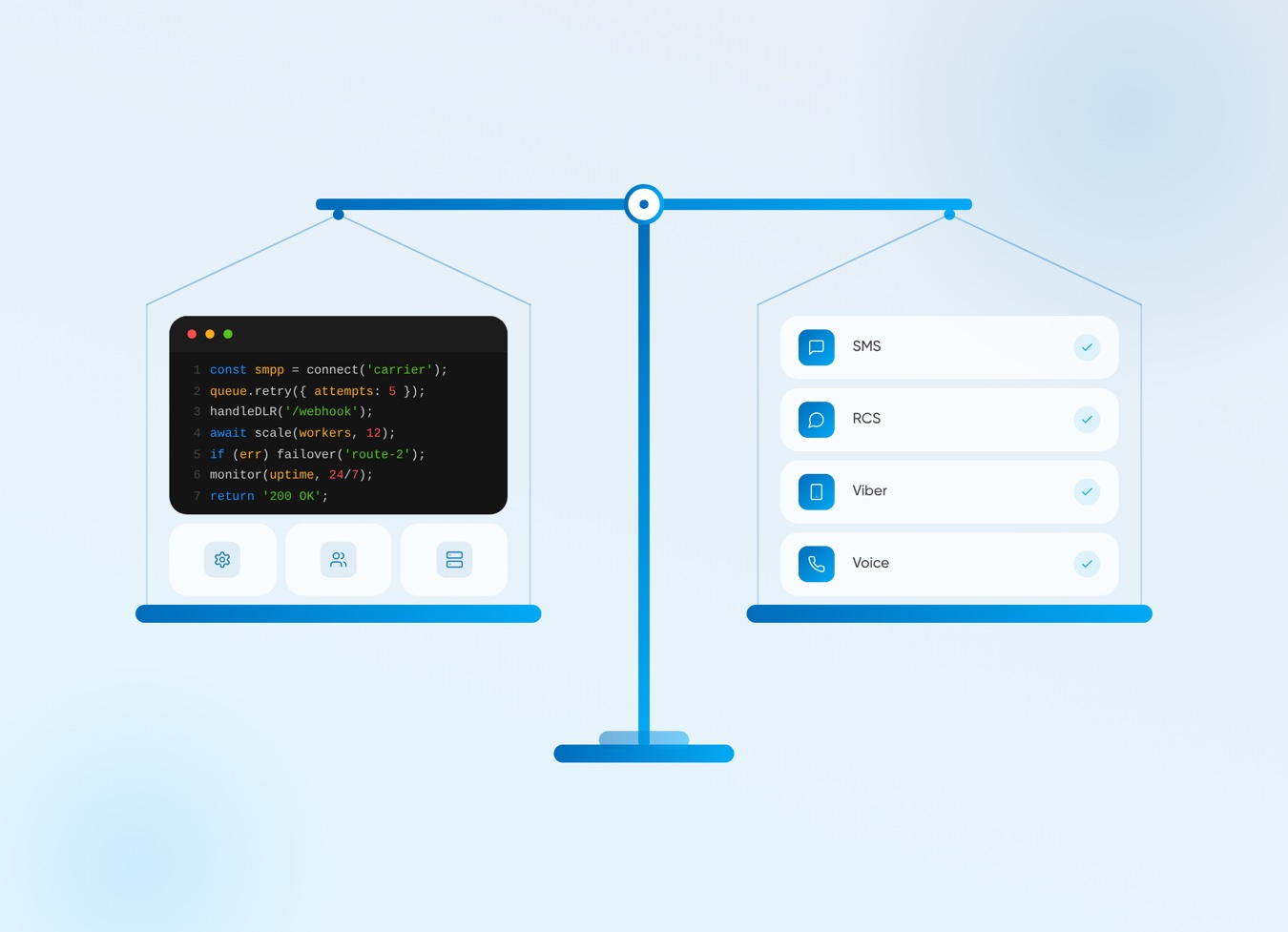
Balance scale comparing building messaging in-house with code and developers versus buying a CPaaS platform with messaging channels
Build vs Buy Messaging: When In-House Beats CPaaS

Build messaging in-house or buy a CPaaS? Time, cost, support, compliance and scale compared for EU and UK teams.
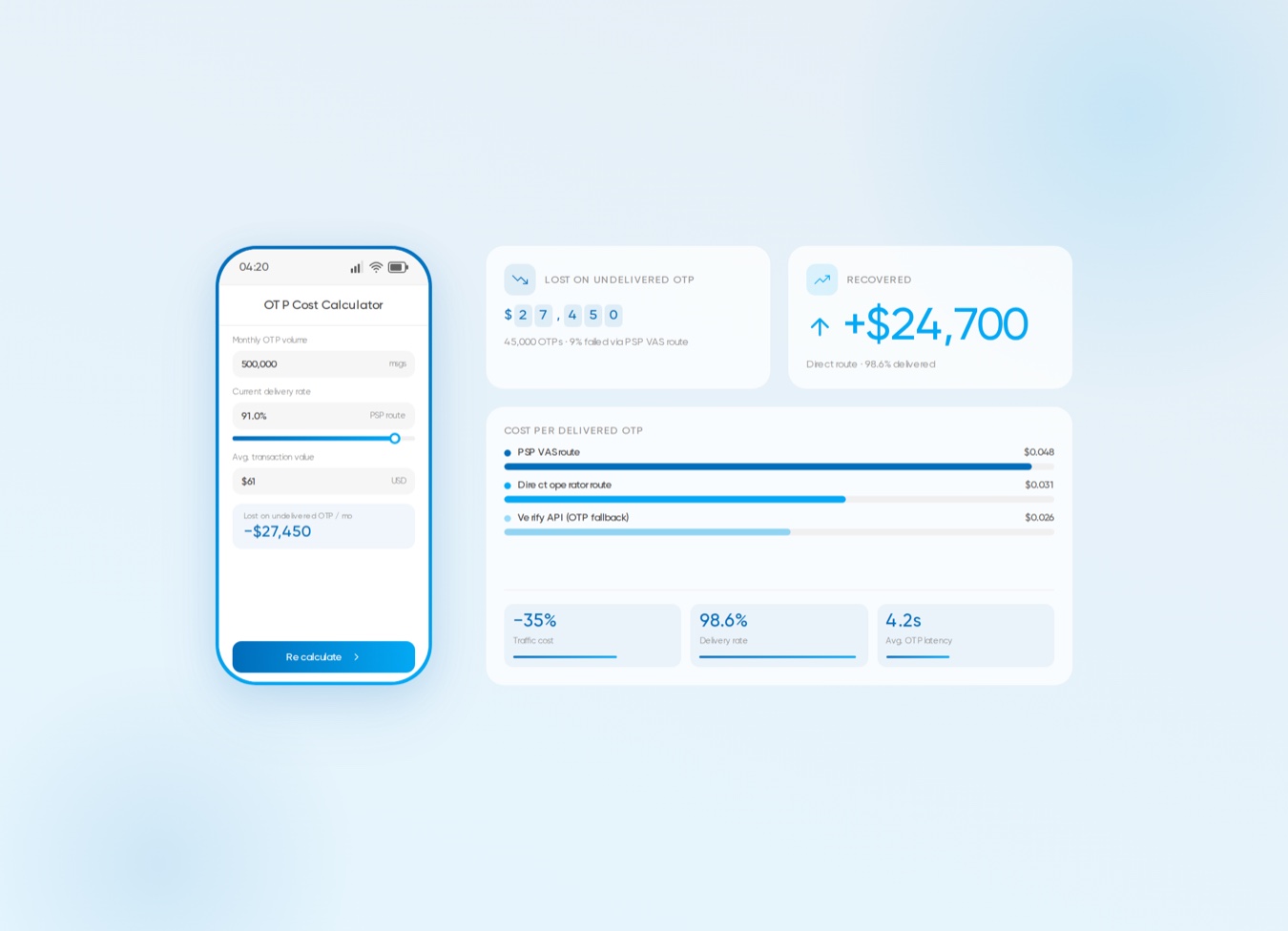
Cost per Delivered OTP: Why a Cheap SMS Vendor Costs PSPs More

You pay per SMS sent, but only delivered OTPs work. A worked example shows why the cheapest vendor costs more.
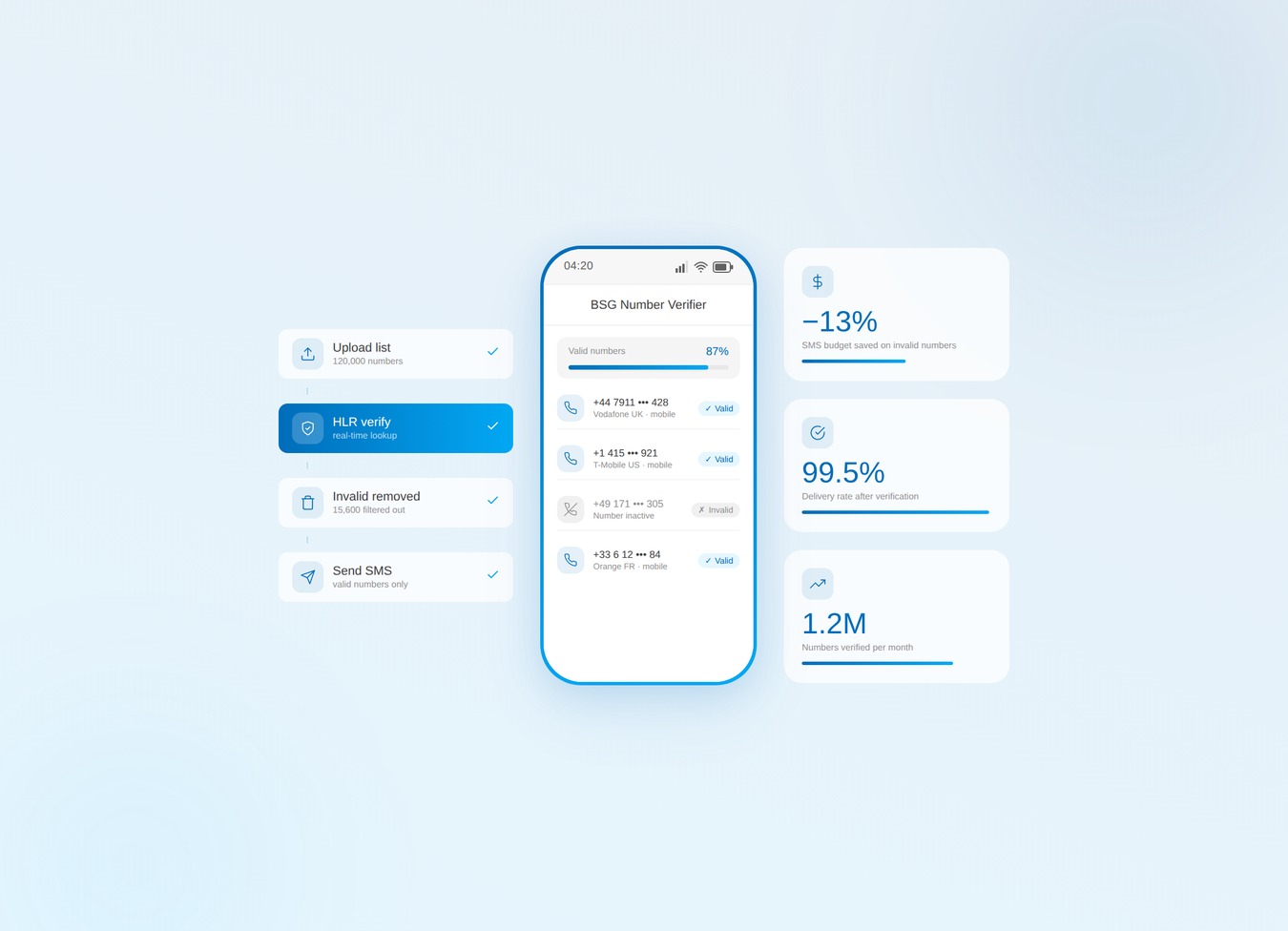
Phone Number Verification: How to Stop Paying for SMS That Never Arrives

Up to 10% of your SMS budget dies on dead numbers. Verify the list first, then send.