




Message Throughput
What is message throughput?
Message throughput is the number of messages per second — often written as TPS or MPS — that a messaging platform, API account or carrier route will accept and deliver.
How does message throughput work?
Throughput can be limited by the provider, by the operator route and sometimes by the channel itself.
Throughput decides how long a large campaign takes to leave. At a fixed rate, the last message in a big send goes out much later than the first, which matters when an offer is time-sensitive or tied to a specific moment, such as a flash sale or a sales start.
During peaks such as Black Friday, promotional and transactional traffic compete for the same capacity. Agreeing throughput and queue priority with the provider before the peak, and keeping transactional messages on their own priority, protects the messages customers are actually waiting for.
Example
A retailer schedules a 09:00 flash-sale SMS while order confirmations keep flowing; with a shared queue, confirmations wait behind the promotion.


Interested in a special offer?
Ready to reach further?
Let’s talk


Related Terms
Explore BSG Solutions
Useful Materials
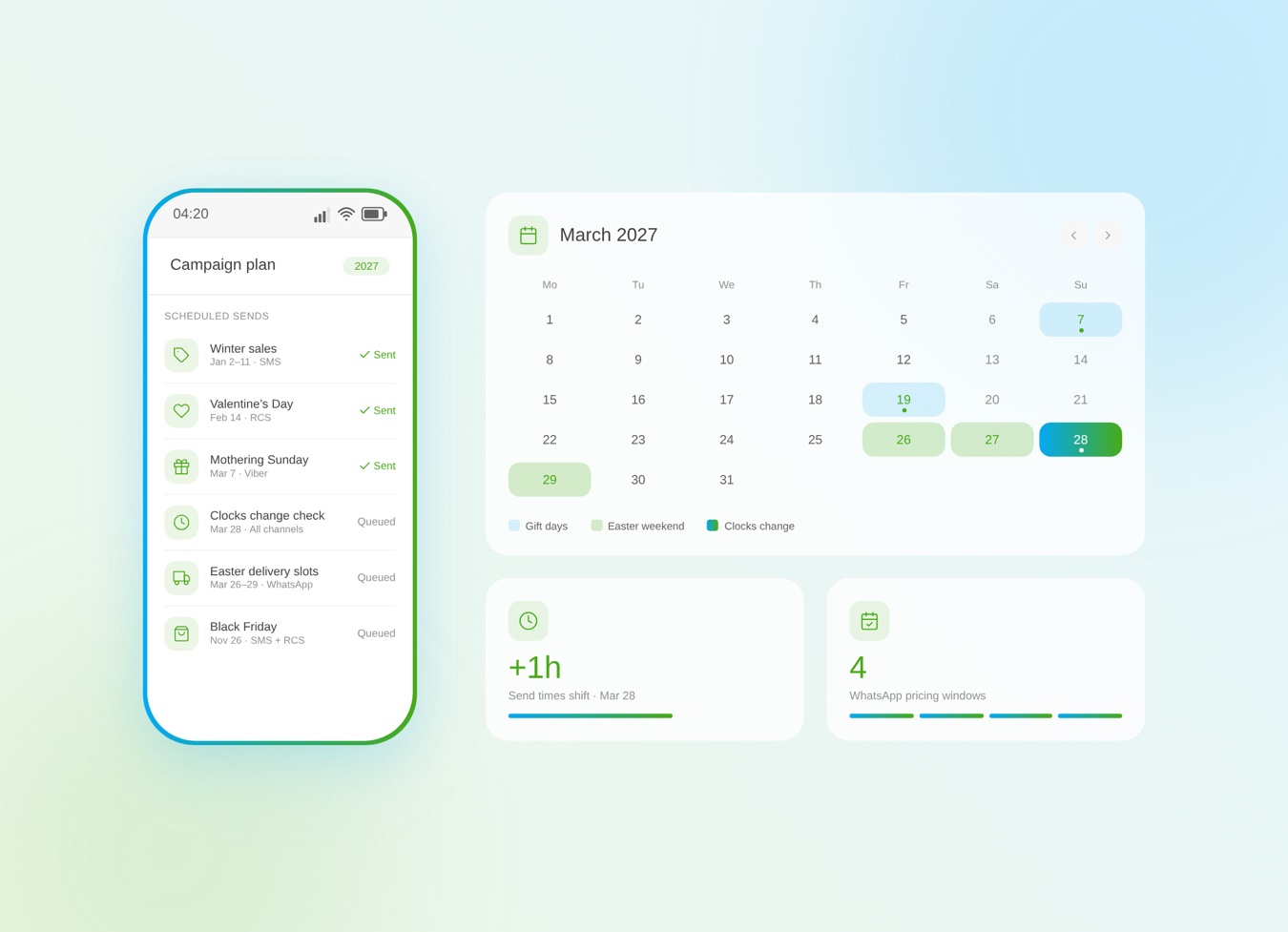
Peak 2027 messaging dates for Europe and the UK: why each one matters, when to start preparing and what to send.
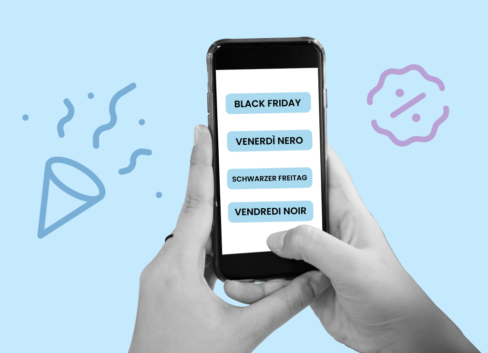
As the Black Friday frenzy approaches, it is important for businesses to gear up with
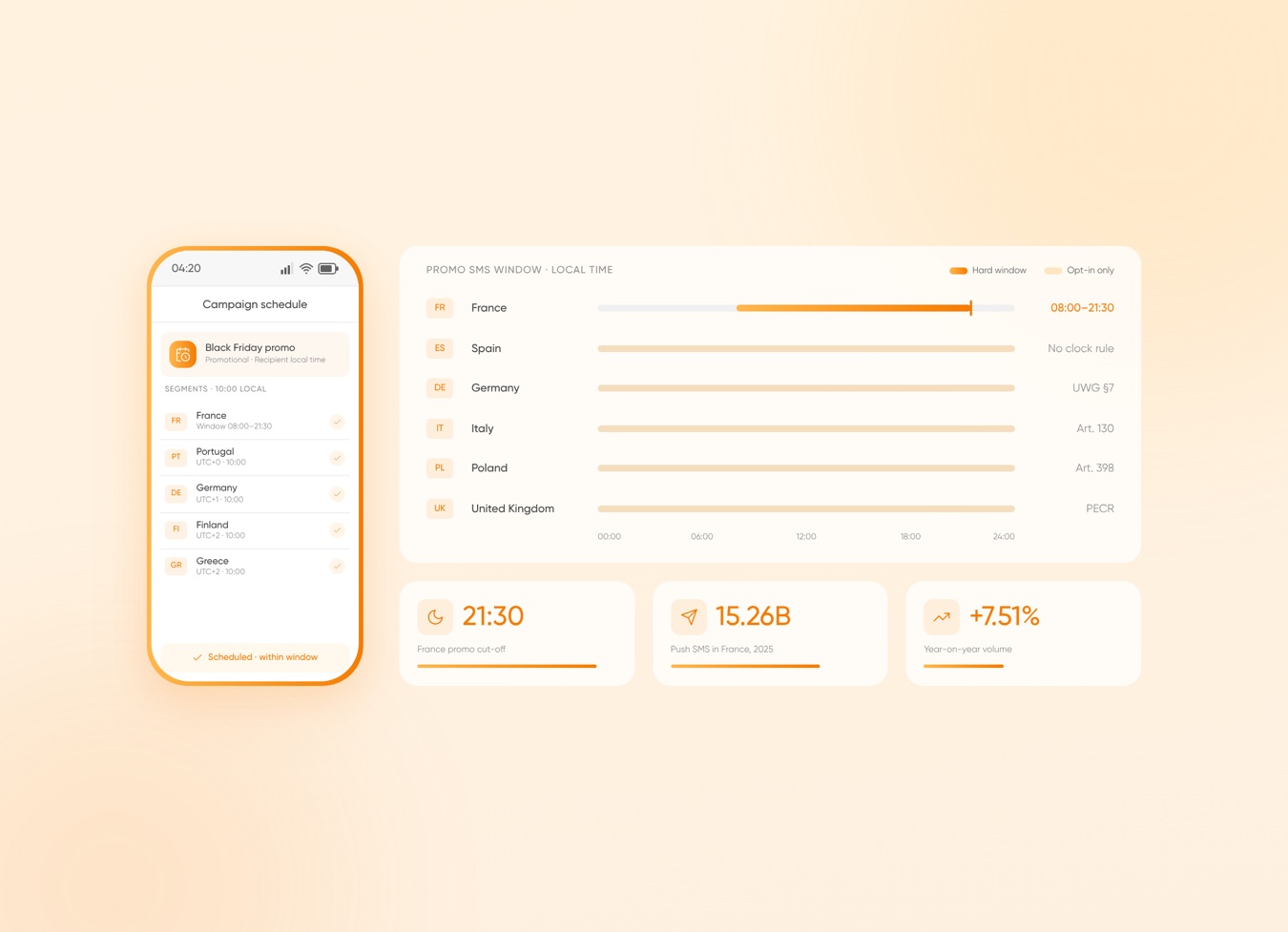
France caps promo SMS at 08:00–21:30; most of Europe regulates consent, not clock time. Country table with sources.