




Large Language Model (LLM)
What is LLM?
A Large Language Model (LLM) is a type of artificial intelligence that understands and generates human language. It learns by reading lots of text, like books and websites. This helps it know grammar, facts, and how to hold conversations. You can ask it questions, and it can give you answers or even write essays and stories. It’s used in virtual assistants like Siri and Alexa to understand and respond to what you say. It’s also used in tools that translate languages or summarize long articles. It’s a smart tool for handling and creating text.
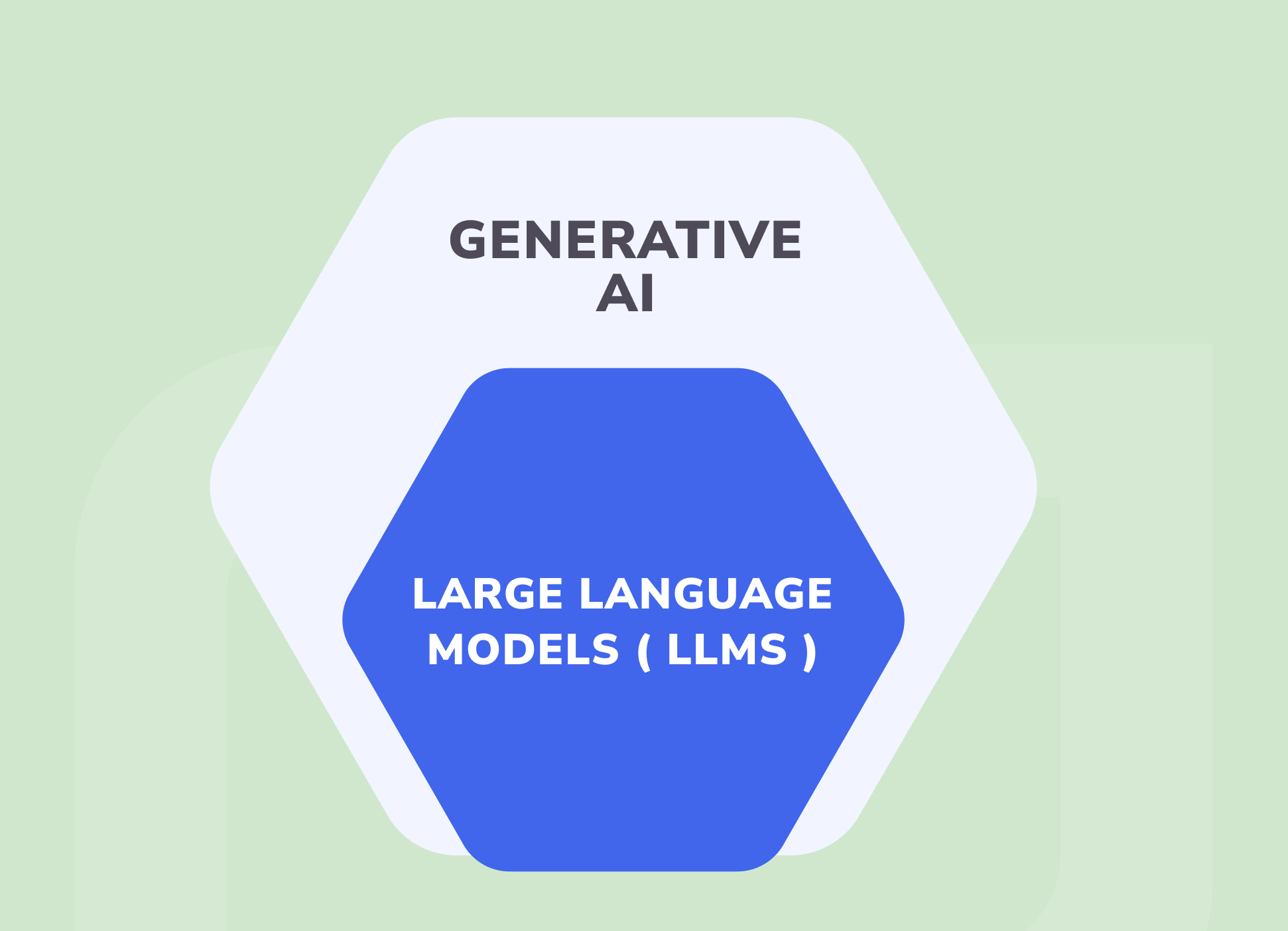
Let’s mention a foundational statement: All Large Language Models (LLMs) are a form of Generative AI . These sophisticated systems operate on deep learning algorithms capable of handling a variety of natural language processing (NLP) tasks, establishing a strong synergy between LLMs and NLP. Examples: ChatGPT, BARD, PaLM, Bloom.
How Do Large Language Models Work?
In simple terms , a Large Language Model (LLM) works like a super-smart reader and writer. It learns by reading lots of text, like books and websites. This helps it understand how language works, like grammar rules and word meanings. When you ask it a question or give it a prompt, it uses what it learned to respond. It’s like having a knowledgeable friend who’s read every book ever written!
Large Language Models (LLMs) are primarily designed to work with text, but their applications can extend beyond purely textual tasks. Here’s how:
Primarily Text-Based Tasks:
- Text Generation: Creating written content like articles, stories, and essays.
- Translation: Converting text from one language to another.
- Summarization: Condensing long articles or documents into shorter summaries.
- Question Answering: Responding to queries based on the text it has been trained on.
- Chatbots and Virtual Assistants: Engaging in conversations and providing customer support.
Final Point
Large Language Models (LLMs) represent a significant advancement in artificial intelligence, transforming how we interact with technology. By learning from datasets, LLMs can accurately understand and generate human language. From voice bots and chatbots to language translation and content creation, LLMs enhance our ability to process and generate text. As these models improve, they will become a bigger part of our everyday technology. This will make it easier for people and machines to talk to each other, starting a new age of smart, language-based AI tools.


Interested in a special offer?
Ready to reach further?
Let’s talk


Related Terms
Explore BSG Solutions
Useful Materials
![WhatsApp Business API: Complete Guide — Setup, Pricing, Use Cases [2026]](/assets/img/blog/whatsapp-business-api-setup-pricing-use-cases-guide_avatar.jpg)
WhatsApp Business API for 2026 — setup steps, the new per-message pricing model, and proven use cases by industry.
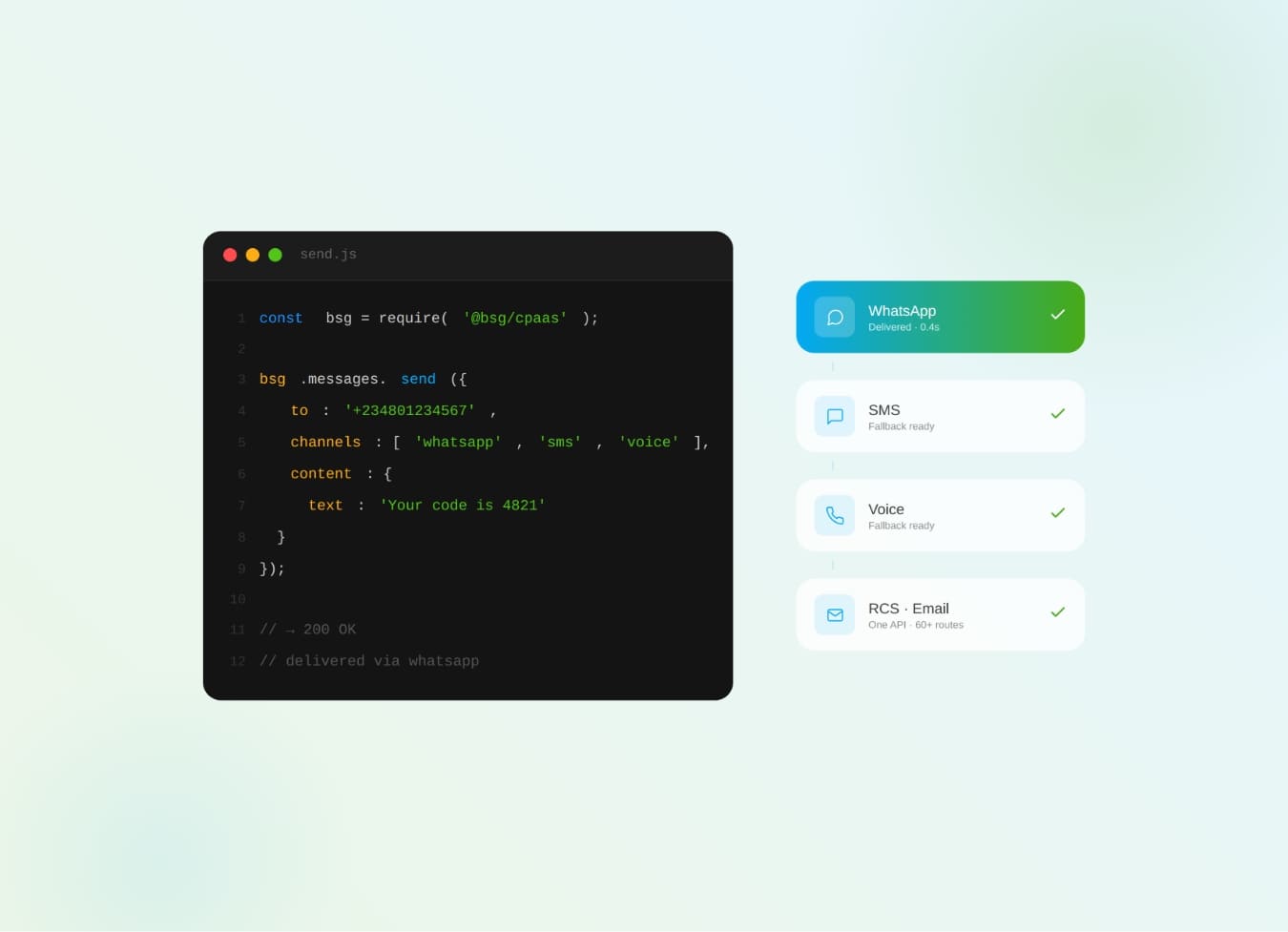
What is CPaaS? The cloud API layer that adds SMS, WhatsApp, voice & OTP to your apps — how it works and why it beats a multi-vendor stack.
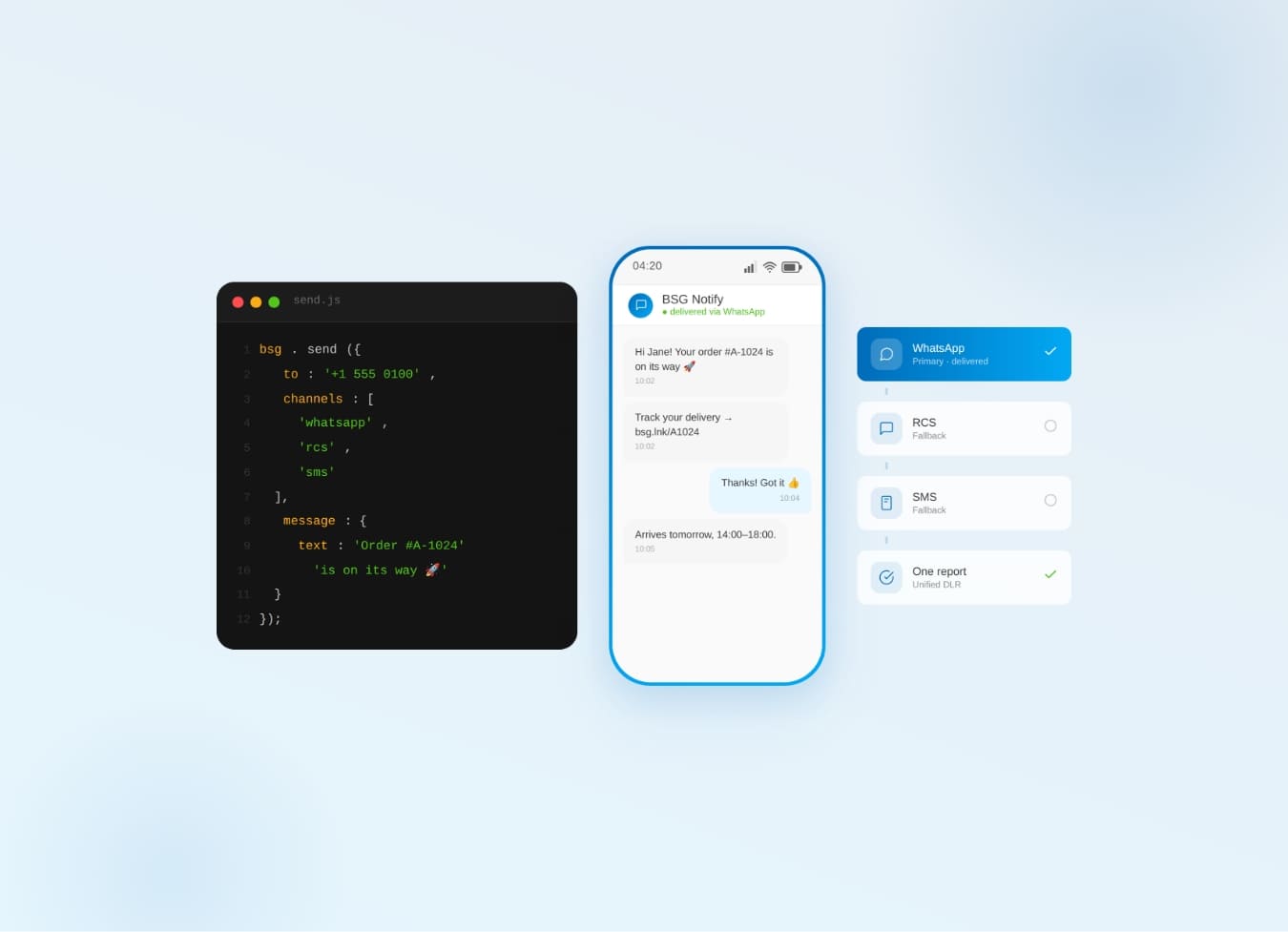
Why one communication API for SMS, WhatsApp, Viber & RCS beats five separate integrations — cascade fallback, unified reports.