




MSIN (Mobile Subscription Identification Number)
What is MSIN (Mobile Subscription Identification Number)?
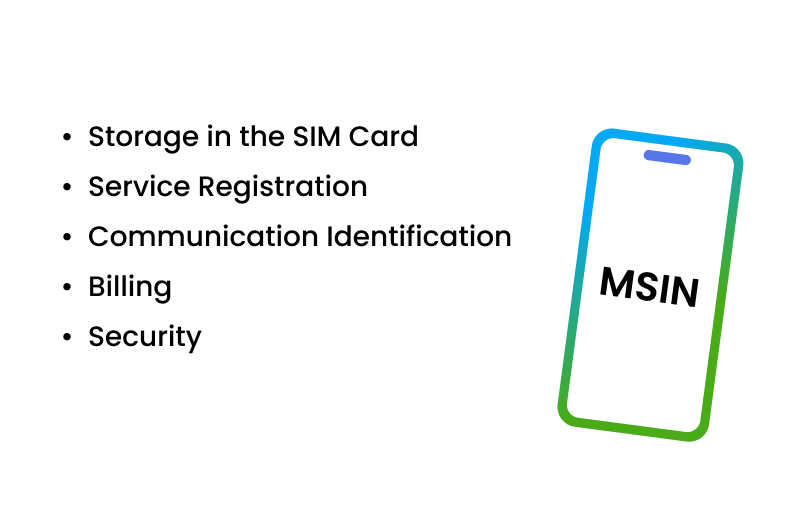
The Mobile Subscription Identification Number (MSIN) is a unique nine-digit number that identifies a mobile phone subscriber. It is assigned by the mobile network operator and is used to identify the subscriber across all their services. It is similar to the International Mobile Subscriber Identity (IMSI) and it is used to authenticate and authorize access to services, such as voice, data, and multimedia.
The MSIN number is the mobile equivalent of an email address or a username: it’s a unique identifier that helps the mobile network operator identify the user. The MSIN is the mobile equivalent of an email address or a username: it’s a unique identifier that helps the mobile network operator identify the user. Specifically, the mobile identity number serves several key purposes:
- Storage in the SIM Card. It resides within the SIM card, acting as a stored identity.
- Service Registration . Used to identify the user when they register for various services like voice data and multimedia services.
- Communication Identification . Recognizes the user when making calls or sending SMS .
- Billing . Enables the mobile network operator to accurately charge users for the services they consume.
- Security . Utilized to authenticate and authorize network access, ensuring users securely access their services.
This structured approach provides a clearer and more concise understanding of the multiple roles that mobile subscriber identity number plays within mobile communication.
Is it the same as the phone number?
No, the MSIN is not the same as a phone number. The MSIN is a number that is assigned by the mobile network operator and stored in the SIM card. The phone number is the actual number that is used to make calls and send text messages.
How does it work?
The MSIN works by identifying the user’s SIM card when they register for services or make a call or send a text message. The MSIN is used to authenticate and authorize access to the network, so the user can securely access their services. It is also used for billing purposes, so the mobile network operator can accurately charge for the services used.
How to find the MSIN number?
The MSIN is commonly kept on the SIM card and is frequently accessible through the settings of the mobile device, under the “About phone” or comparable areas. In certain devices, the MSIN can also be obtained by dialing particular USSD codes that are supplied by the network provider. Users can always get help obtaining their MSIN by contacting the customer care department of their service provider if they are unsure. It’s important to note that the MSIN should be kept confidential to prevent unauthorized use or access.
How is MSIN different from IMSI?
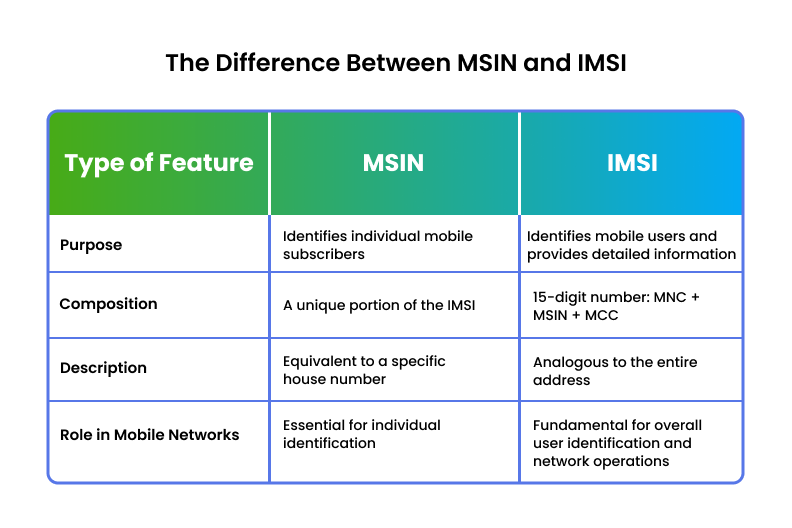
Although they are both used to identify mobile users, MSIN and IMSI have different purposes. The International Mobile Subscriber Identity, or IMSI, is a 15-digit number that consists of the Mobile Network Code (MNC), the MSIN, and the Mobile Country Code (MCC). The MSIN is essentially the individual subscriber’s unique portion of the IMSI. Consider the MSIN as a particular house number within the address and the IMSI as the entire address. Both are essential to the functioning of mobile networks.
Can a user change their MSIN?
As the MSIN is a unique number given by the mobile network provider, consumers usually cannot modify it. However, the operator may assign a new MSIN by delivering a new SIM card if there is a legitimate reason, such as worries about fraud or security breaches. For any questions regarding the MSIN, it is always advised to speak with a reliable communiation service provider , particularly prior to making any adjustments or moving services. Changing MSIN without proper cause or authorization might disrupt services and lead to potential issues.
The mobile identification number plays a pivotal role in SMS marketing by ensuring precise targeting and facilitating accurate delivery to individual mobile subscribers. By leveraging this unique identifier, businesses can enhance personalization and relevance in their messaging, leading to improved customer engagement and response rates. Additionally, the specificity of the MSIN aids in efficient SMS tracking and analytics , enabling businesses to refine their strategies and optimize ROI.


Interested in a special offer?
Ready to reach further?
Let’s talk


Related Terms
Explore BSG Solutions
Useful Materials
![WhatsApp Business API: Complete Guide — Setup, Pricing, Use Cases [2026]](/assets/img/blog/whatsapp-business-api-setup-pricing-use-cases-guide_avatar.jpg)
WhatsApp Business API for 2026 — setup steps, the new per-message pricing model, and proven use cases by industry.
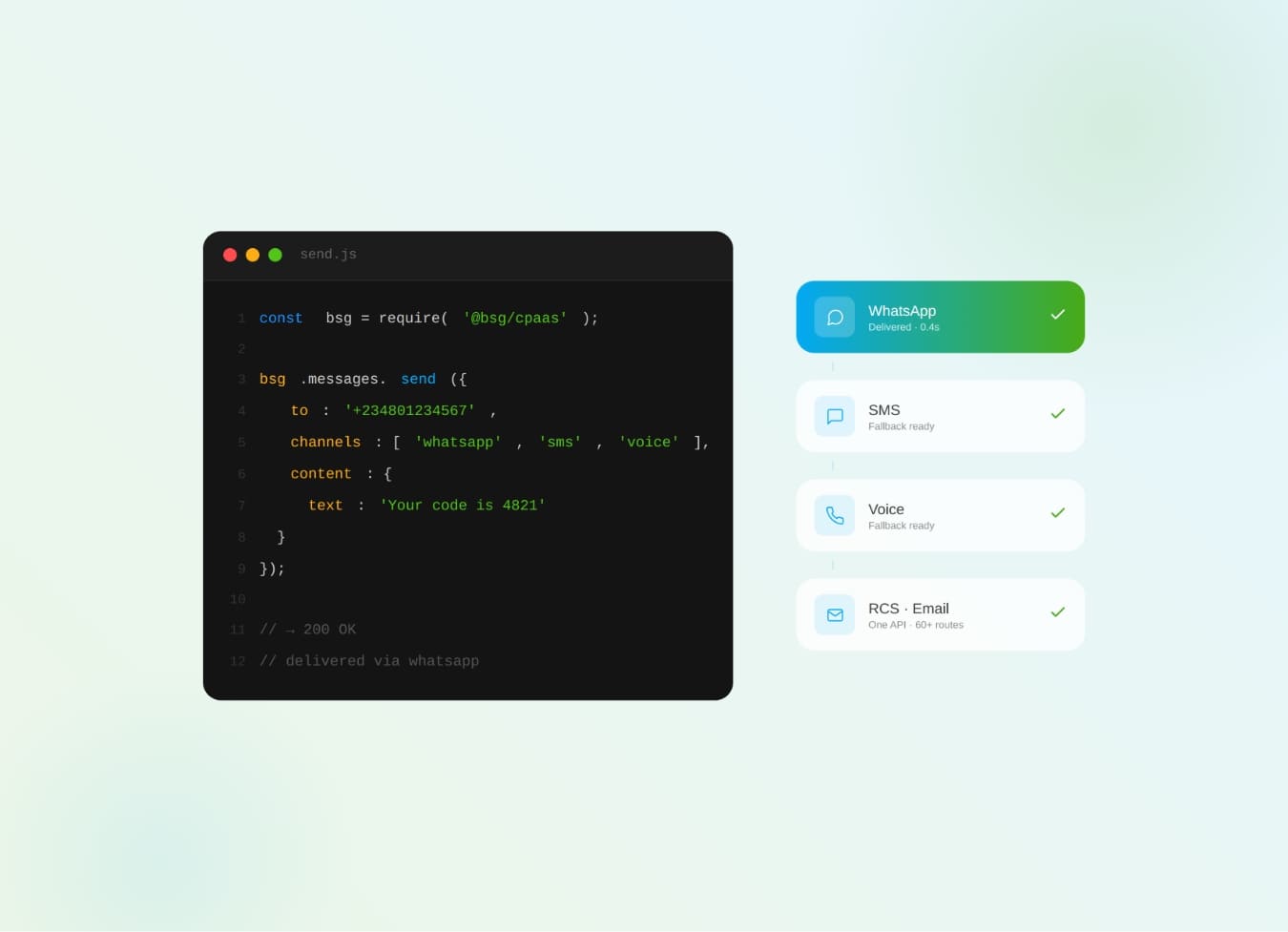
What is CPaaS? The cloud API layer that adds SMS, WhatsApp, voice & OTP to your apps — how it works and why it beats a multi-vendor stack.
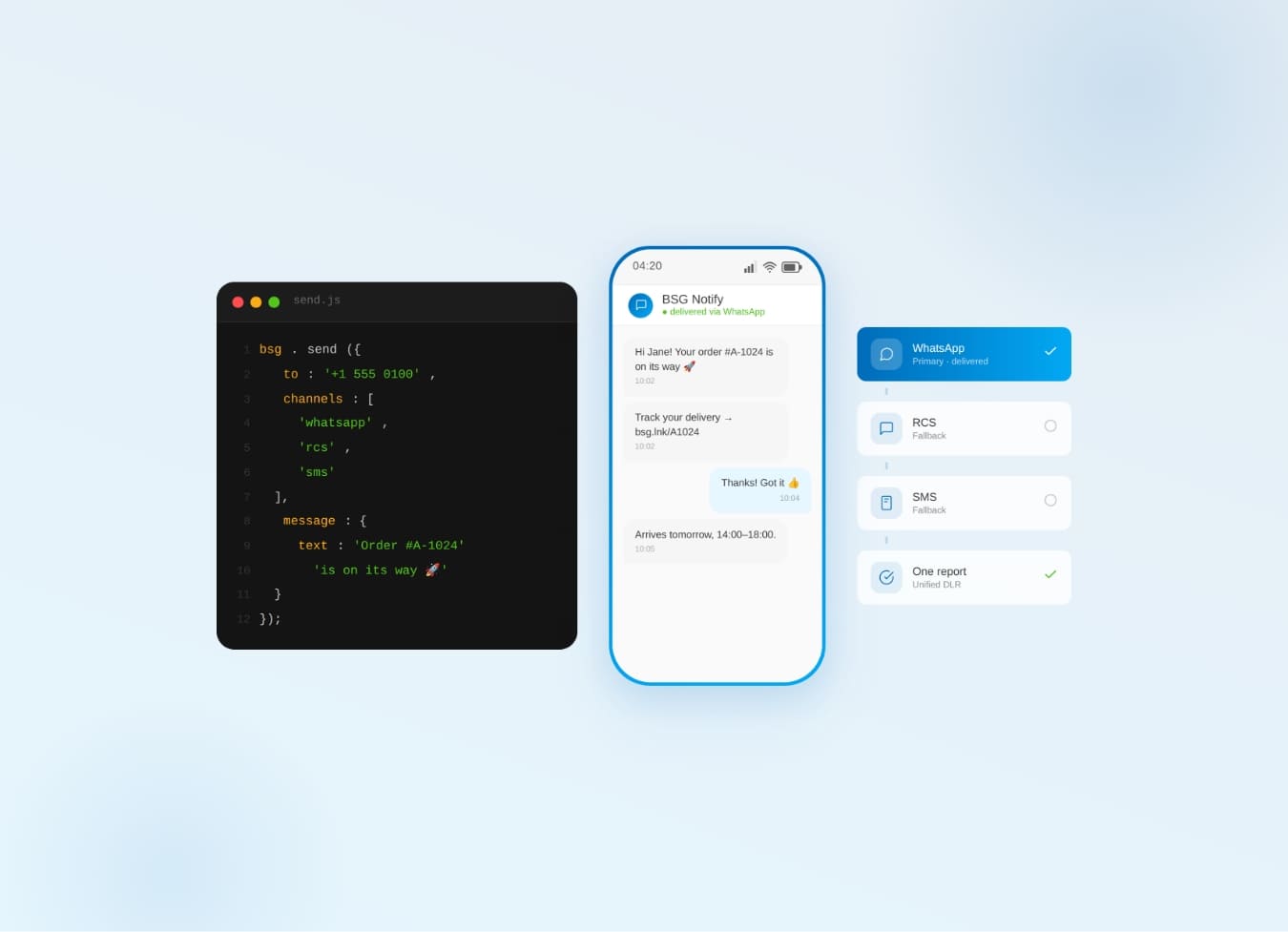
Why one communication API for SMS, WhatsApp, Viber & RCS beats five separate integrations — cascade fallback, unified reports.