




SIM (Subscriber Identity Module) Card
What is a SIM (Subscriber Identity Module) Card?
A Subscriber Identity Module (SIM) Card is a chip-enabled card, usually found in a mobile device, that contains information about the user’s account with their mobile service provider. The SIM card is used to connect the device to the mobile network, allowing the user to make and receive calls, send and receive text messages, access the Internet, and use various other services. BSG's Number Verifier checks whether the SIM behind a number is still active before you message it.
The SIM card is a powerful tool that allows users to store information such as contacts, messages, and settings on their devices. It also helps to authenticate the user when connecting to the mobile network. The SIM card holds the user’s International Mobile Subscriber Identity (IMSI) number, which is a unique number that identifies the user’s account with their service provider.
The SIM card also contains an authentication key, which is used to verify the user’s identity when connecting to the network. Additionally, the card stores information about the user’s service plan, such as the rate plan, roaming agreements, and other preferences. The user can also use the SIM card to store additional data, such as music and photos.
For real-world context, see BSG's Maintain a Clean, Relevant Database with HRL Service.


Interested in a special offer?
Ready to reach further?
Let’s talk


Related Terms
Explore BSG Solutions
Useful Materials
![WhatsApp Business API: Complete Guide — Setup, Pricing, Use Cases [2026]](/assets/img/blog/whatsapp-business-api-setup-pricing-use-cases-guide_avatar.jpg)
WhatsApp Business API for 2026 — setup steps, the new per-message pricing model, and proven use cases by industry.
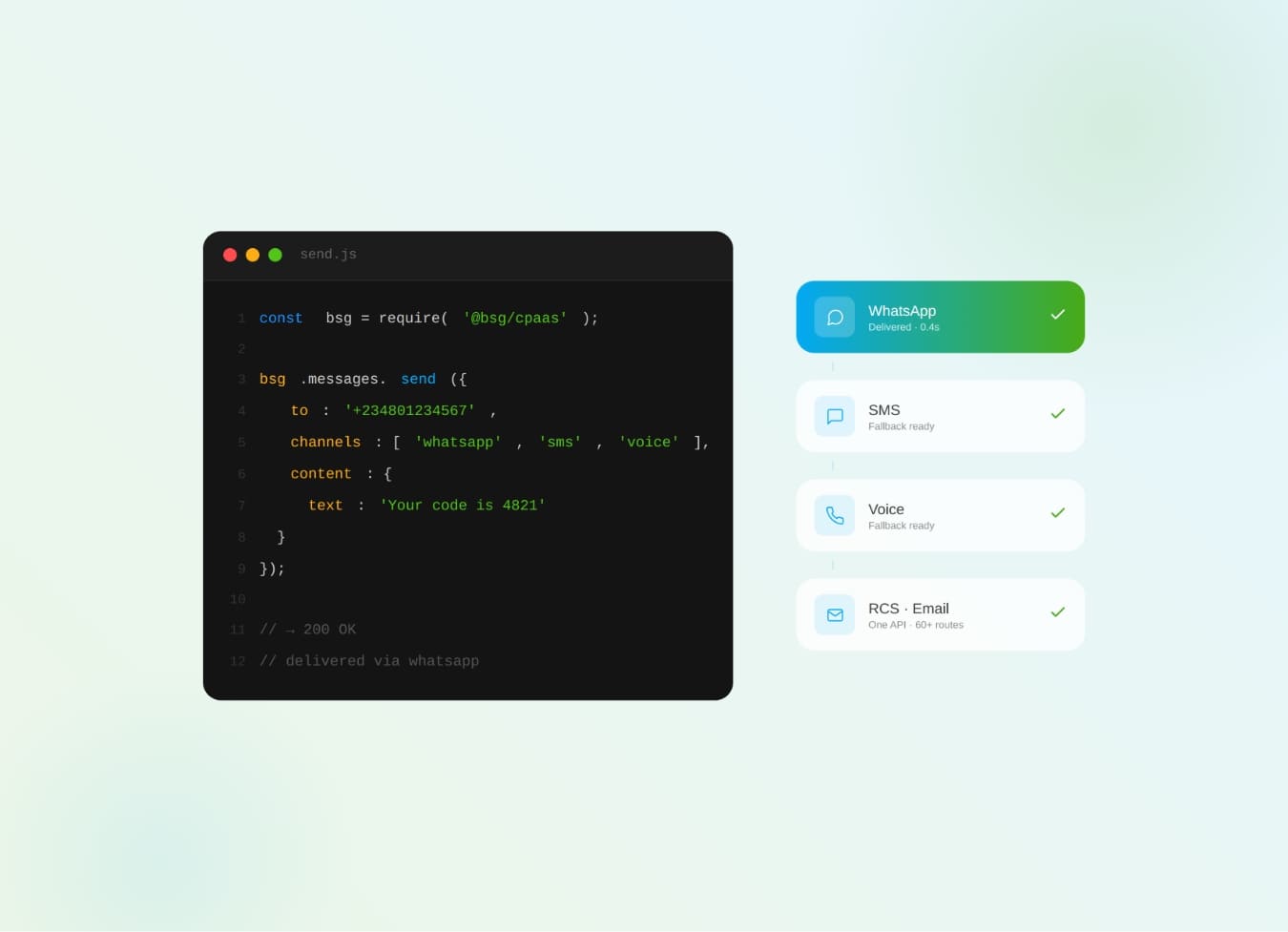
What is CPaaS? The cloud API layer that adds SMS, WhatsApp, voice & OTP to your apps — how it works and why it beats a multi-vendor stack.
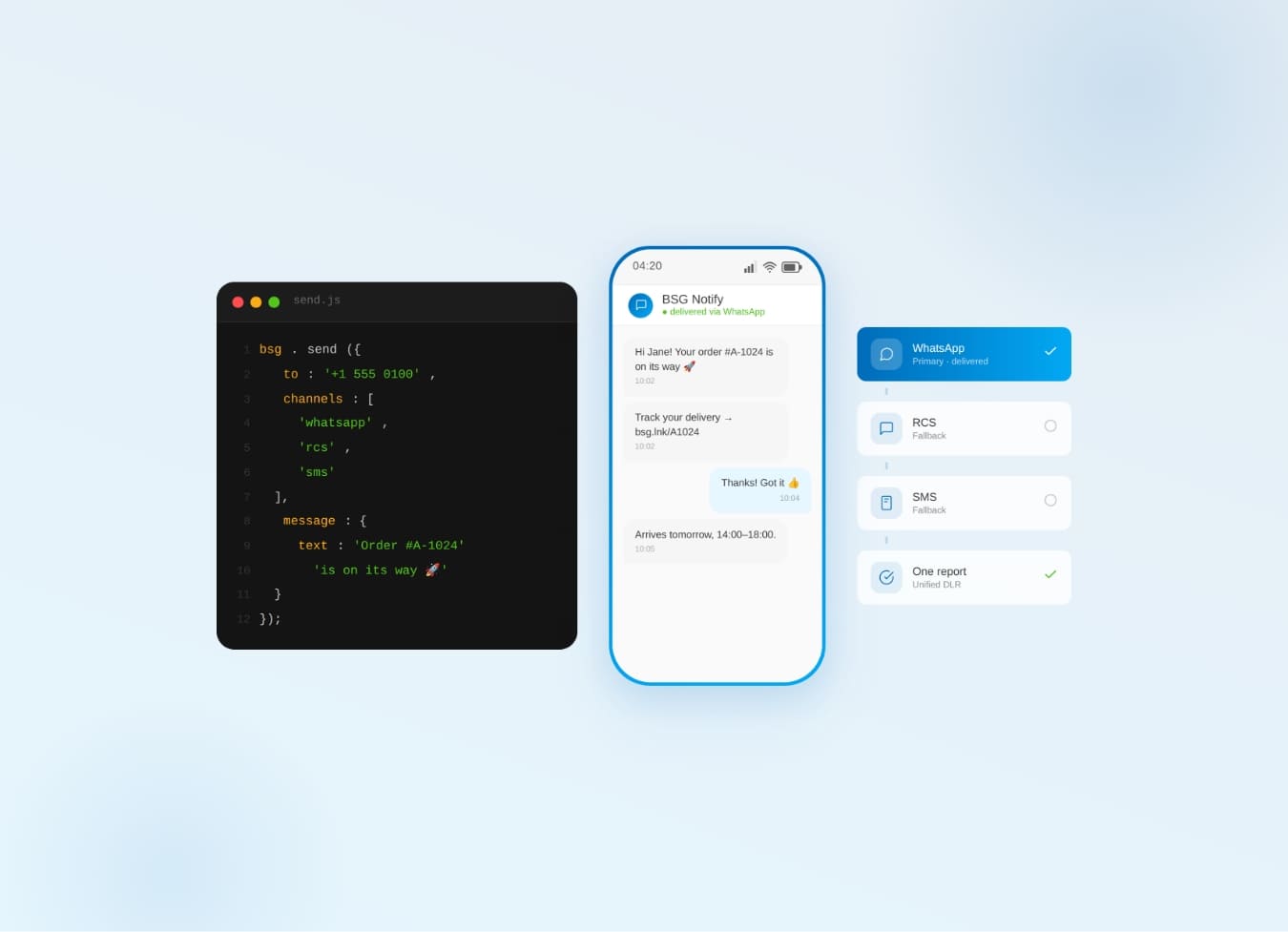
Why one communication API for SMS, WhatsApp, Viber & RCS beats five separate integrations — cascade fallback, unified reports.