




Phone Number Verification
What is Phone Number Verification?
Phone number verification is the process of checking whether a mobile number is active, correctly formatted, and reachable on its network before sending messages to it.
Phone number verification queries carrier network databases to determine the real-time status of a mobile number. The process returns data including whether the number is active or deactivated, which mobile network operator currently serves it, whether the device is reachable, and whether the line is mobile, fixed, or virtual.
Businesses use phone number verification at two stages. First, at the point of contact collection — during registration, lead intake, or checkout — to reject invalid or high-risk numbers before they enter the CRM. Second, as periodic database cleaning to remove numbers that have become inactive since the last campaign.
The verification typically relies on HLR (Home Location Register) lookups performed in real time against carrier networks. Providers that cache results trade accuracy for cost, which matters for time-sensitive use cases like OTP delivery. For businesses sending A2P SMS at volume, verifying numbers before sending directly reduces wasted message credits, improves delivery rates, and protects sender reputation with carriers.
This is explored further in BSG's Phone Number Verification: Stop Paying for Undelivered SMS.
Related terms
Related BSG products


Interested in a special offer?
Ready to reach further?
Let’s talk


Related Terms
Explore BSG Solutions
Useful Materials
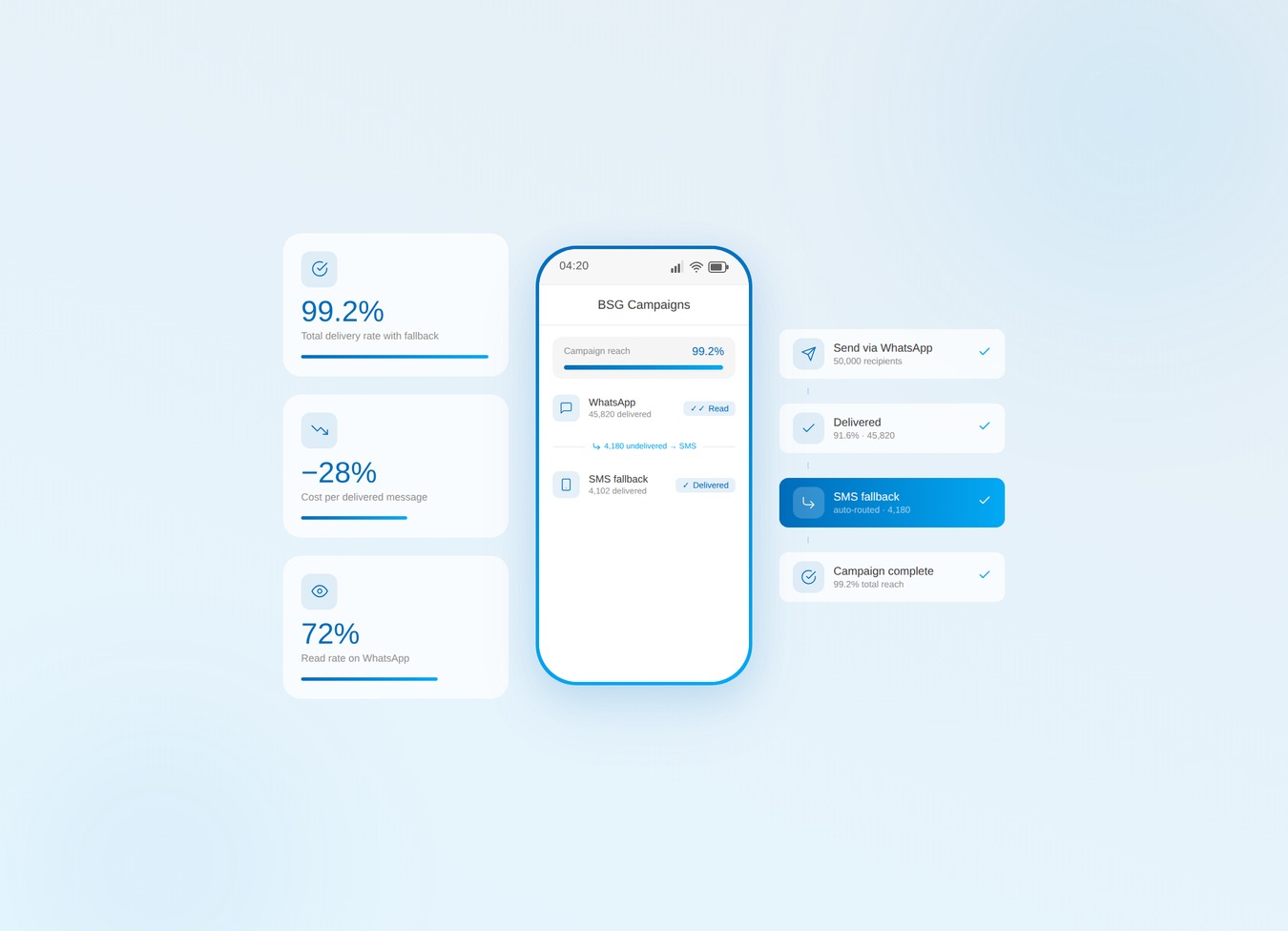
Bulk SMS alone leaks budget. Verify the list, then run WhatsApp-first with SMS fallback.
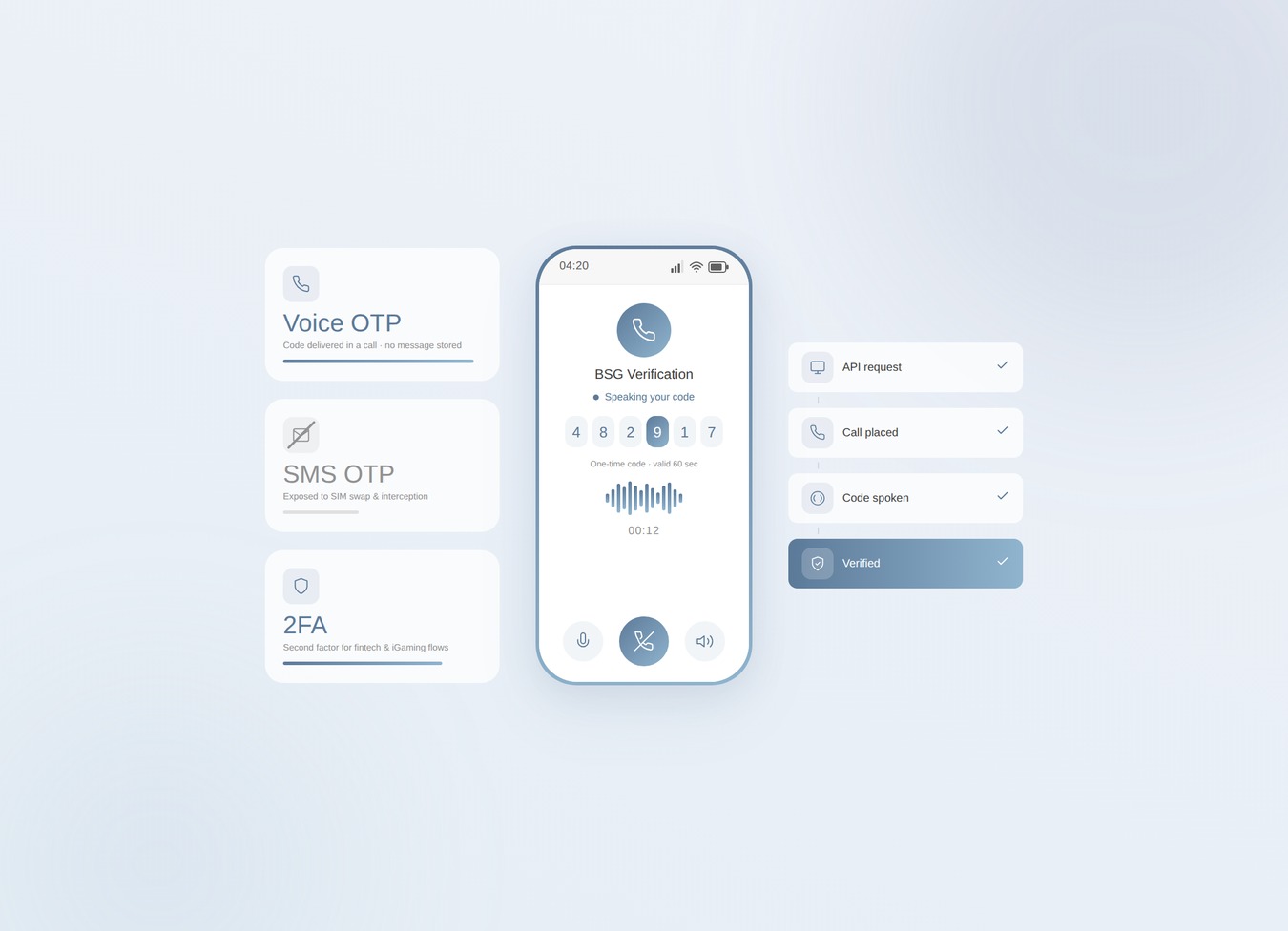
SIM swaps jumped 1,055% in a year. Voice OTP takes your riskiest codes off the SMS rail.
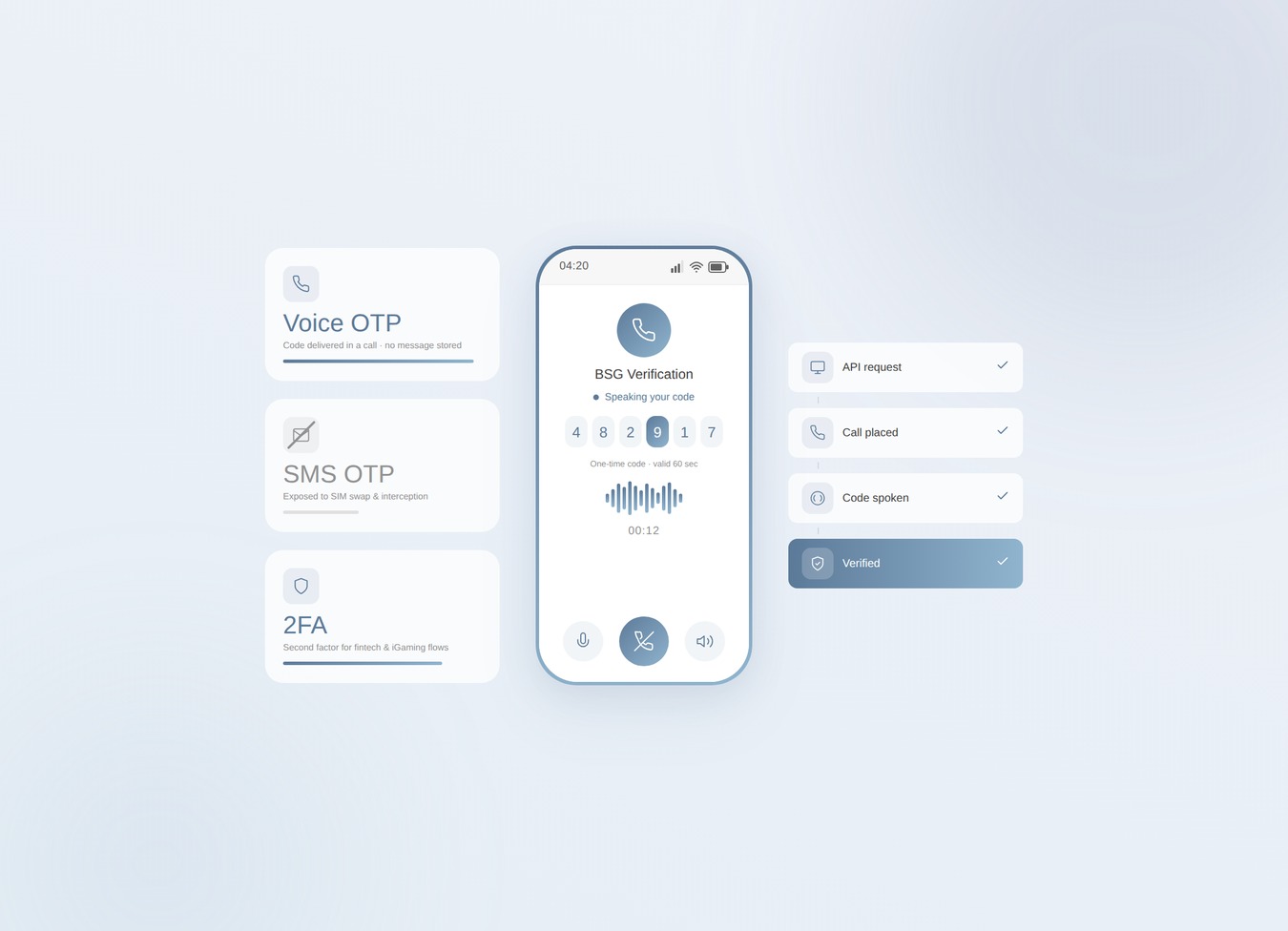
Telegram OTP is free — until it silently fails. Know the limits and when to add fallback.