




Per-Message Pricing
What is Per-Message Pricing?
Per-message pricing is a billing model where a business is charged for each individual message delivered, rather than for a bundled time window or conversation.
Per-message pricing is the model Meta adopted for the WhatsApp Business API on 1 July 2025, replacing conversation-based pricing. Under it, every business-initiated template message is billed individually, with the rate set by the message category (marketing, utility, or authentication) and the recipient's country code. Customer-initiated service messages inside the 24-hour service window remain free, as do utility templates sent within that window. For businesses, this shift means consolidating notifications and routing traffic into free windows directly lowers costs, since extra messages are no longer bundled under a single conversation fee. The change makes cost more transparent and easier to forecast, because each send maps to a known rate rather than an aggregated window.
For the practical side of this, check out BSG's WhatsApp Business API: Complete Guide — Setup, Pricing, Use Cases [2026].
Related terms
Related BSG products


Interested in a special offer?
Ready to reach further?
Let’s talk


Related Terms
Explore BSG Solutions
Useful Materials
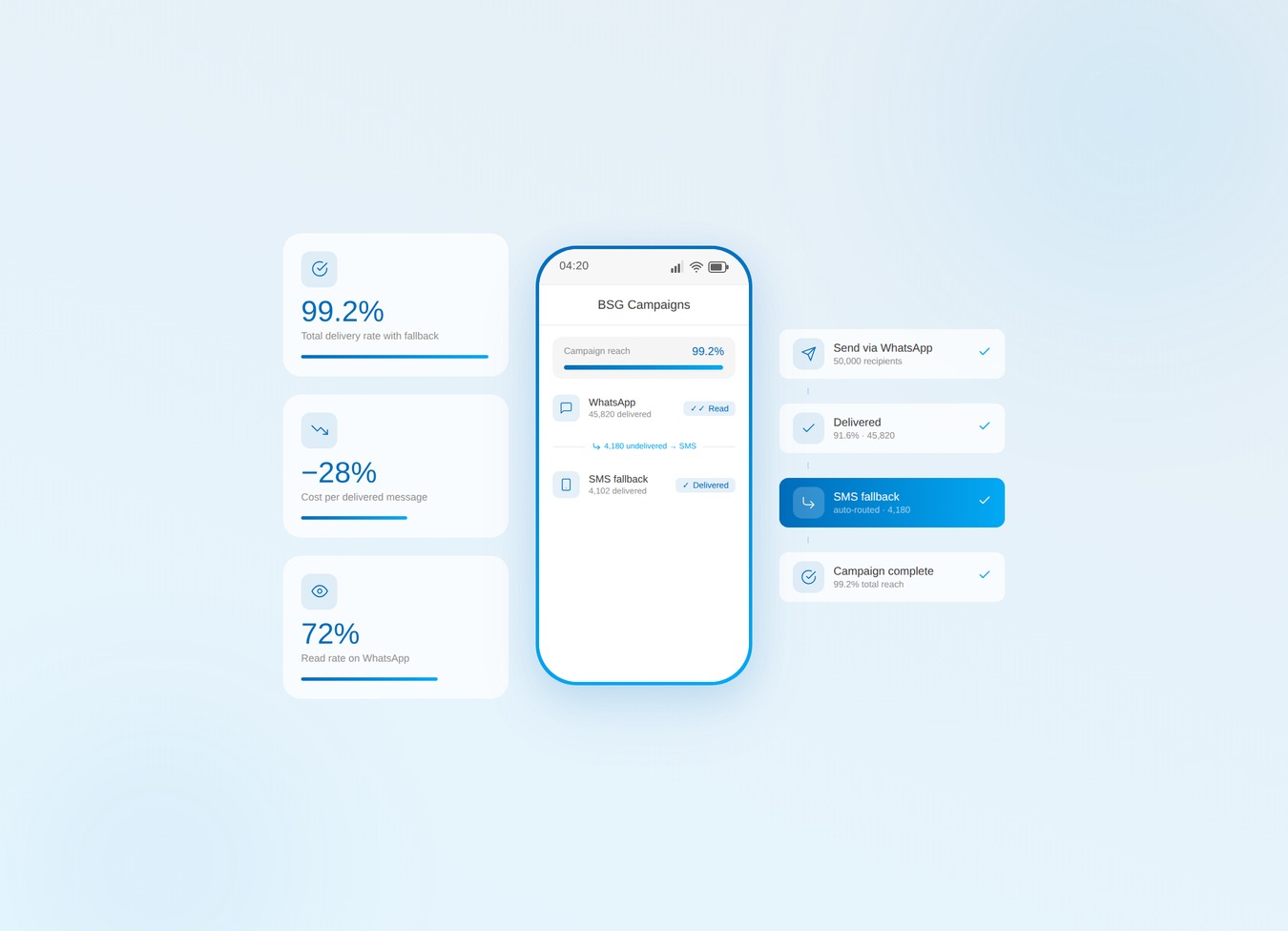
Bulk SMS alone leaks budget. Verify the list, then run WhatsApp-first with SMS fallback.
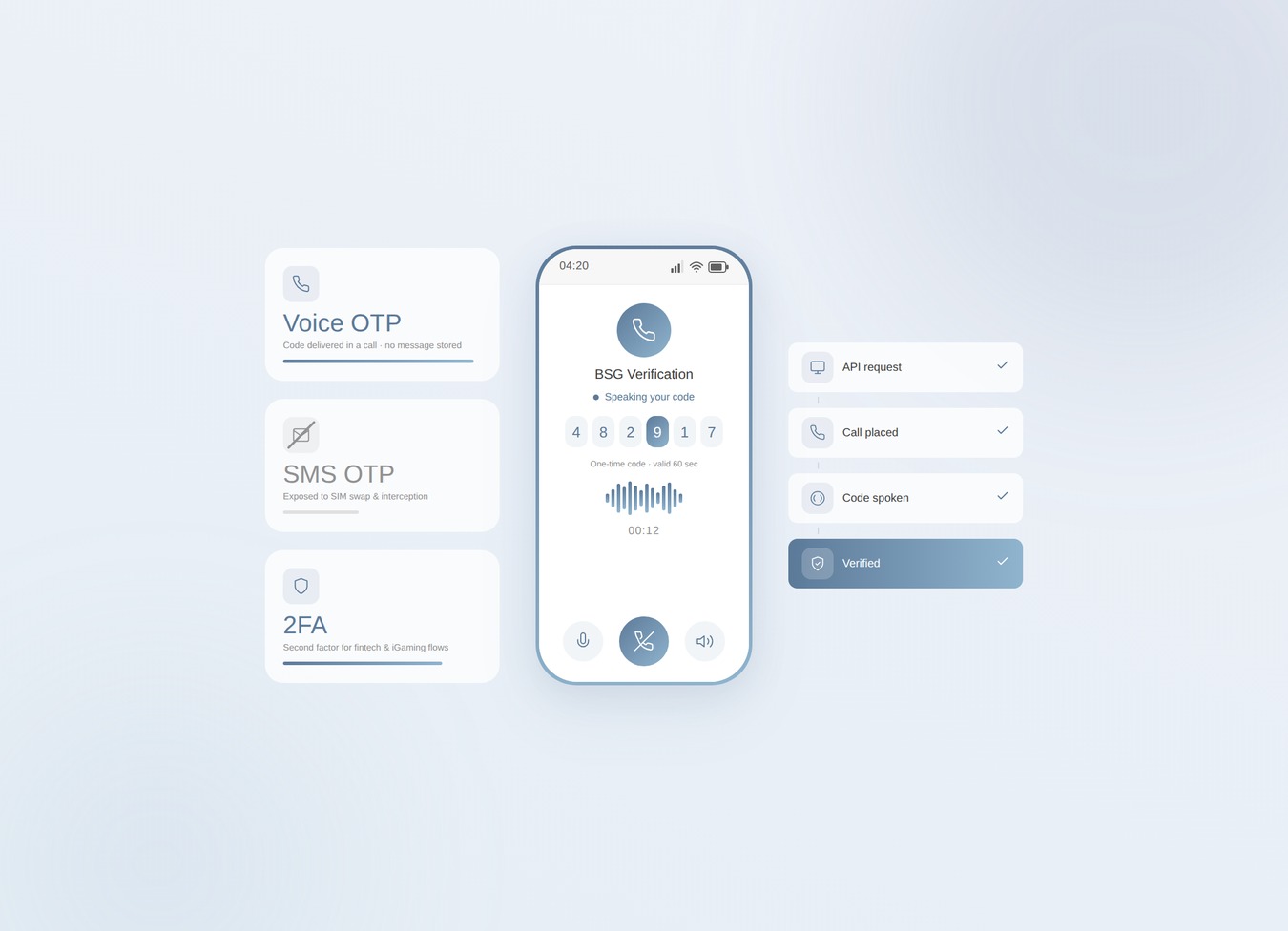
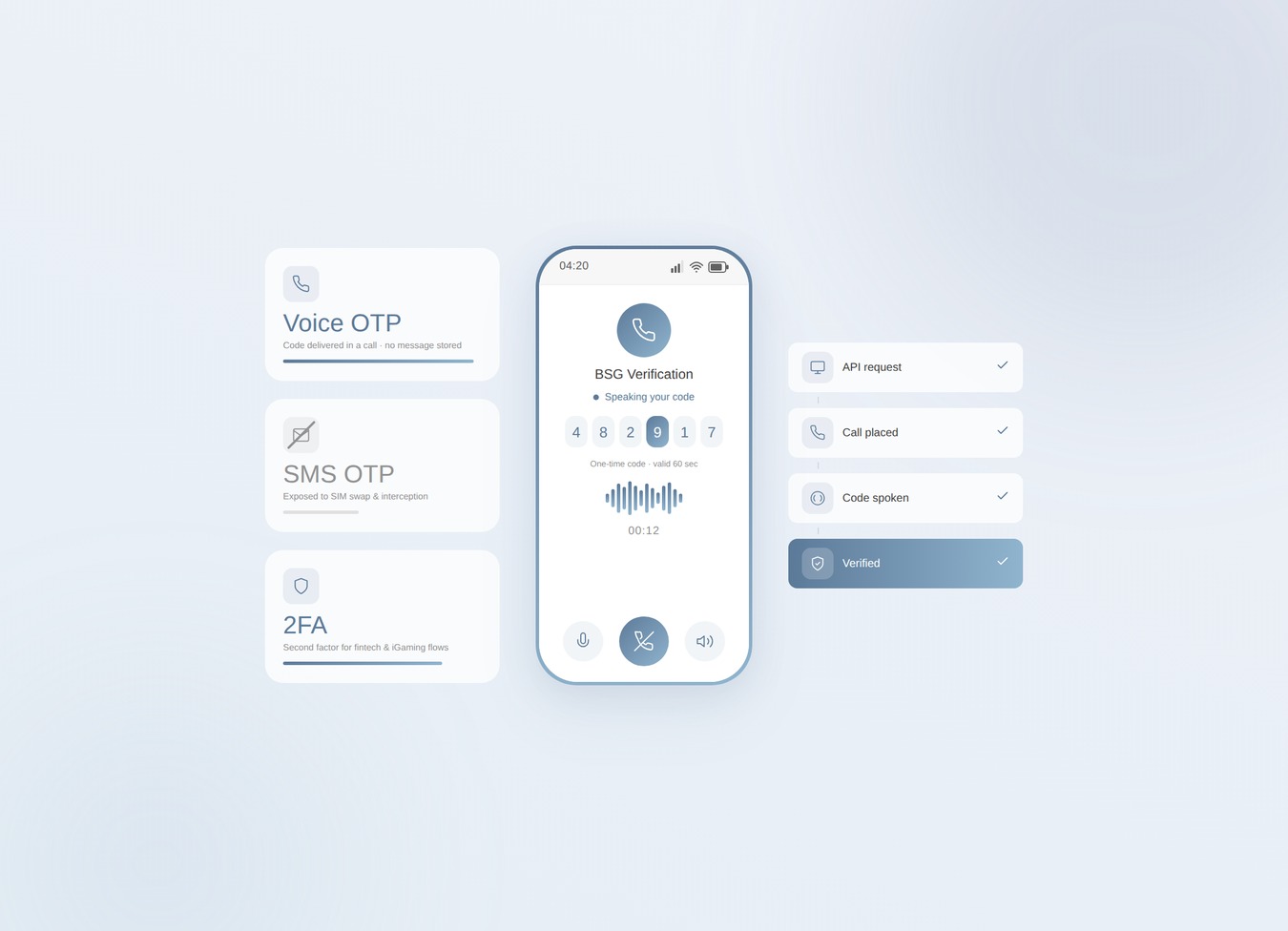
SIM swaps jumped 1,055% in a year. Voice OTP takes your riskiest codes off the SMS rail.
Telegram OTP is free — until it silently fails. Know the limits and when to add fallback.